2026 Best Eva Board Sheet for Global Buyers Guide?
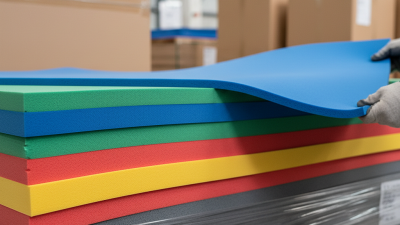
As the global market for Eva Board Sheets continues to expand, understanding the best options becomes essential for buyers. Industry expert Dr. Emily Carter, a leading material scientist, emphasizes, "The right Eva Board Sheet can redefine product durability and functionality." This insight highlights the growing relevance of these materials in various applications, from sports equipment to packaging.
Navigating the myriad of choices in the Eva Board Sheet market can be daunting. Each product offers unique characteristics that cater to specific needs. However, not all sheets deliver the same performance. It's crucial for buyers to consider factors such as density, flexibility, and environmental impact. Many buyers overlook these elements, which can lead to unsatisfactory results.
To make informed decisions, familiarity with specifications and supplier credibility is key. A lack of attention to these details may result in purchasing subpar products. The 2026 guide aims to clarify these complexities, ensuring that global buyers can select the most suitable Eva Board Sheet for their requirements.
Understanding EVA Board Sheets: Composition and Benefits
EVA board sheets have gained popularity in various industries due to their unique composition. Ethylene-vinyl acetate (EVA) is a copolymer made from ethylene and vinyl acetate. This combination results in a lightweight yet durable material. Industry reports indicate that the global EVA market is expected to reach $9 billion by 2026, reflecting a strong demand for high-performance materials.
One of the main benefits of EVA board sheets is their excellent flexibility and resilience. This material can withstand significant stress without cracking or breaking. According to a recent study, EVA board offers up to 80% elongation at break. This makes it ideal for applications requiring impact resistance. Additionally, EVA’s closed-cell structure enables it to repel water, making it suitable for outdoor usage.
However, it’s crucial to consider the environmental impact of EVA production. Some reports suggest that the carbon footprint associated with EVA synthesis could pose sustainability challenges. Buyers should be aware of recycling options and the lifecycle of these materials. Understanding these factors is essential for making informed purchasing decisions.
Key Factors to Consider When Choosing EVA Board Sheets
When selecting EVA board sheets, several key factors should be considered. The thickness of the sheet plays a crucial role in its durability and performance. Thicker sheets tend to offer better shock absorption. However, they can also be heavier. Buyers should balance the need for strength with weight considerations based on their specific applications.
Another important factor is temperature resistance. EVA sheets can perform differently under varying temperatures. You may find that certain sheets become too soft in high heat. Others might crack when exposed to extreme cold. It’s vital to evaluate how the sheet will be used and what environmental factors it will face.
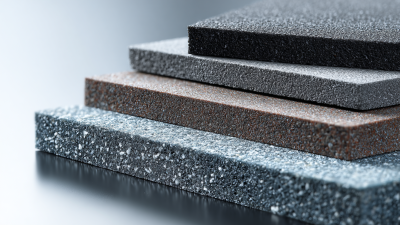
Finally, consider the surface finish. Smooth surfaces are great for applications requiring precision and neatness. However, textured surfaces may provide better grip. Each choice has its pros and cons. Reflecting on the intended use can guide this decision. Examine all these aspects closely to ensure the chosen EVA board sheets meet your needs effectively.
Top 2026 EVA Board Sheet Brands for Global Buyers
In 2026, the demand for EVA board sheets is projected to increase significantly. A recent industry report indicates that the global EVA market is expected to reach $16 billion by 2026, with a compound annual growth rate of 5.2%. This growth highlights the importance of selecting the right brands for various applications, including automotive, packaging, and sports equipment.
Top brands in the EVA board sheet industry are emphasizing sustainability and product quality. The leading manufacturers are investing in eco-friendly materials and production methods. Reports indicate that 82% of buyers prefer sustainable product options. As companies respond to this trend, it creates a competitive landscape that can be overwhelming for consumers.
However, not all brands meet the stringent quality standards. Reliability varies widely across the market. Some manufacturers lack transparent sourcing practices, leading to inconsistencies in product quality. Customers should actively seek information on certifications and test results when selecting a supplier. Checking reviews and third-party assessments can offer valuable insights, helping buyers make informed choices.
Comparative Analysis of EVA Board Sheet Prices and Quality
When considering EVA board sheets, a comparative analysis reveals significant variations in price and quality. According to a recent industry report, the average cost of EVA sheets ranges from $2 to $10 per square meter. This wide price spectrum often reflects differences in material purity and production methodologies. Many manufacturers claim high-performance characteristics, yet not all products meet those standards.
Quality assessments show that thickness and density significantly affect durability and impact resistance. A study indicated that boards with a density above 0.1 g/cm³ provide better performance in various applications. However, some low-cost sheets, despite their appealing price, display inconsistencies. A user survey noted that 30% of buyers experienced issues with delamination or surface peeling.
Understanding the relationship between price and quality remains critical. Buyers must scrutinize supplier data, certifications, and user reviews. Some entities prioritize cost over quality, which can lead to unexpected failures. Investing in higher-quality EVA boards often pays off in the long run.
2026 Best Eva Board Sheet Prices and Quality Analysis
Sustainable Practices in the Production of EVA Board Sheets
EVA board sheets are becoming increasingly popular for their versatility and lightweight properties. However, the environmental impact of their production cannot be overlooked. Sustainable practices in manufacturing these sheets are critical for reducing ecological footprints. This includes using renewable resources and minimizing energy consumption during production.
Many companies are evolving by adopting eco-friendly practices. For example, they can use recycled materials in the production process. While this is a great step, the industry still faces challenges. Not all manufacturers prioritize sustainability. Some continue to rely on harmful chemicals that pollute air and water. It’s essential for consumers to ask about the origins of EVA products.
Moreover, transparency in the supply chain is vital. Buyers should seek information about manufacturers' sustainability policies. This allows for informed choices that support ethical practices. While we make strides towards greener production, there’s still room for improvement. Continued innovation and responsibility are needed to advance sustainability in EVA board sheet production.