2026 Best Pe Eva Foam Sheet Benefits and Uses Explained?
In recent years, the Pe Eva Foam Sheet has gained immense popularity across various industries. This versatile material is known for its lightweight design and shock-absorbing properties. According to industry expert Dr. Emily Carr, “The Pe Eva Foam Sheet offers durability and flexibility like no other material.” Her insights emphasize its importance in applications ranging from packaging to sports equipment.
One of the key benefits of using Pe Eva Foam Sheets is their water resistance. They are ideal for outdoor products, ensuring longevity in varying weather conditions. Many manufacturers appreciate how easily these sheets can be cut and fabricated into different shapes. However, some users have reported challenges in recycling this material, which raises questions about its environmental impact.
As we explore the 2026 benefits and uses of Pe Eva Foam Sheets, it's crucial to consider both their advantages and limitations. Understanding these elements is essential for making informed decisions in product development and usage. The journey of working with this foam can lead to innovation, but it also invites ongoing discussions about sustainability.

Benefits of Pe Eva Foam Sheets in Various Industries
PE EVA foam sheets have become essential in various industries due to their unique benefits. In packaging, they offer excellent cushioning, ensuring that products remain safe during transport. The lightweight nature of these sheets makes them easy to handle, which is a plus in busy environments. However, there are cases where thicker sheets are needed, which can lead to inefficiencies in logistics.
In the sports industry, PE EVA foam is commonly used in protective gear. It provides comfort and shock absorption, making activities safer for athletes. Yet, some users have complained about durability over time. Maintenance can sometimes be overlooked, which leads to decreased performance. In toys, the vibrant colors and texture of PE EVA foam appeal to children. Items made from this material are often soft and safe. Unfortunately, the environmental impact of disposing of these materials can be a concern.
Overall, the versatility of PE EVA foam sheets has opened vast opportunities across sectors. These benefits, however, come with challenges that require careful consideration. Users must reflect on how to maximize advantages while addressing potential drawbacks.
Common Uses of Pe Eva Foam Sheets in Daily Life
PE EVA foam sheets are increasingly popular in everyday life. They offer numerous benefits and versatile applications across various industries. Common uses of these foam sheets include crafting, packaging, and insulation. Their lightweight nature makes them ideal for projects that require ease of handling and transportation.
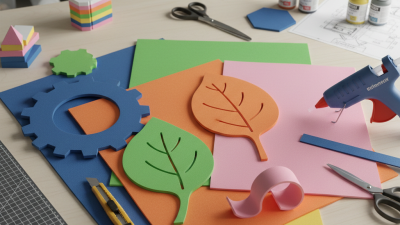
In crafting, PE EVA foam sheets are favored for their vibrant colors and ease of cutting. Children enjoy using them for art projects. According to industry reports, foam sheets account for nearly 25% of the crafting materials market. This speaks to their widespread appeal and utility.
For packaging, their cushioning properties provide excellent protection for fragile items. Companies rely on EVA foam to minimize damage during shipping. The insulating qualities of these sheets also find applications in the automotive and construction sectors. This adaptability is a significant advantage in many industries, but it's vital to source high-quality sheets to ensure performance.
Tips: Always consider the thickness you need for your project. Thicker sheets offer more durability. However, thinner sheets might better suit projects requiring flexibility. Pay attention to the adhesive properties if you're planning to bond the foam. Not every adhesive works well with EVA materials.
Comparative Advantages of Pe Eva Foam Sheets Over Other Materials
PE EVA foam sheets offer several advantages over traditional materials like rubber and polyurethane. These sheets are lightweight, flexible, and durable. According to a market analysis by Grand View Research, the global foam market is expected to reach $130 billion by 2025, indicating a growing demand for effective materials. PE EVA foam provides cushioning, insulation, and shock absorption, making it ideal for various applications.
In addition, PE EVA foam sheets are resistant to moisture and chemicals. This resistance extends their lifespan compared to other materials. A study by Research and Markets highlights that the construction industry alone accounts for around 25% of foam material usage, emphasizing the relevance of these sheets in real-world applications. Lightweight yet robust, they make transportation and installation easier.
However, it's essential to consider the environmental impact. Not all PE EVA foams are recyclable. Industry experts suggest that a focus on sustainability is crucial moving forward. As manufacturers innovate, balancing performance with eco-friendliness becomes more important. The conversation around materials evolves continuously as new data emerges.
Sustainability and Environmental Impact of Pe Eva Foam Sheets
PE EVA foam sheets are gaining attention for their sustainability features. Made from non-toxic materials, they offer a safer alternative to many traditional foams. These sheets are light yet durable, which means less energy is needed for transportation. They are ideal for various applications, from crafting to insulation.
However, the environmental impact of these products raises questions. While PE EVA foam is more eco-friendly than some other options, it is not biodegradable. This poses a challenge for waste disposal. Recycling processes are not always straightforward, leading to more foam ending up in landfills. There's a need for better recycling initiatives and public awareness about proper disposal.
The manufacturing process also brings concerns. Although less harmful, it still consumes resources. It's essential to continually assess the entire lifecycle of these foam sheets. Understanding their environmental footprint helps in making more informed choices. In practice, this means looking for improved alternatives or advancements in recycling technology. Awareness is the first step towards more sustainable practices.
Tips for Choosing the Right Pe Eva Foam Sheet for Your Needs
Choosing the right PE EVA foam sheet for your project can be challenging. Consider the density of the foam.
Higher density sheets provide better durability and impact resistance. Reports show that density can affect performance significantly, particularly in applications like packaging and padding.
Think about the thickness you need. Thicker sheets offer more cushioning. However, they tend to be heavier and bulkier. If space is a concern, a thinner sheet might be a better fit. The flexibility of the foam is also crucial. Some sheets can tolerate bending while maintaining structure, making them ideal for various uses.
Evaluate the color options available. While it may seem minor, colors can affect heat absorption and visibility. Darker colors may retain more heat, impacting some applications. Pay attention to the environmental conditions the foam will face. Not all sheets perform well in extreme temperatures or humidity. Make informed decisions based on specific project requirements.