2026 Top Esd Shielding Bags for Global Buyers Guide?
In the ever-evolving world of electronics, ESD shielding bags play a crucial role. These innovative products protect sensitive devices from electrostatic discharge. For buyers worldwide, selecting the right ESD shielding bags is vital. Quality matters greatly. A poor choice can lead to costly damages.
Strict standards exist for ESD protection. Understanding these is essential for making an informed decision. ESD shielding bags are not all the same. Variations in materials, thickness, and properties can impact performance. Buyers often face confusion in this crowded market.
Many options may seem appealing but can fall short in reliability. It’s important to reflect on what works best for your specific needs. Evaluating various manufacturers and their offerings can ensure effectiveness. By prioritizing quality and compliance, you can safeguard your valuable electronics effectively.
Understanding ESD Shielding Bags: Purpose and Importance
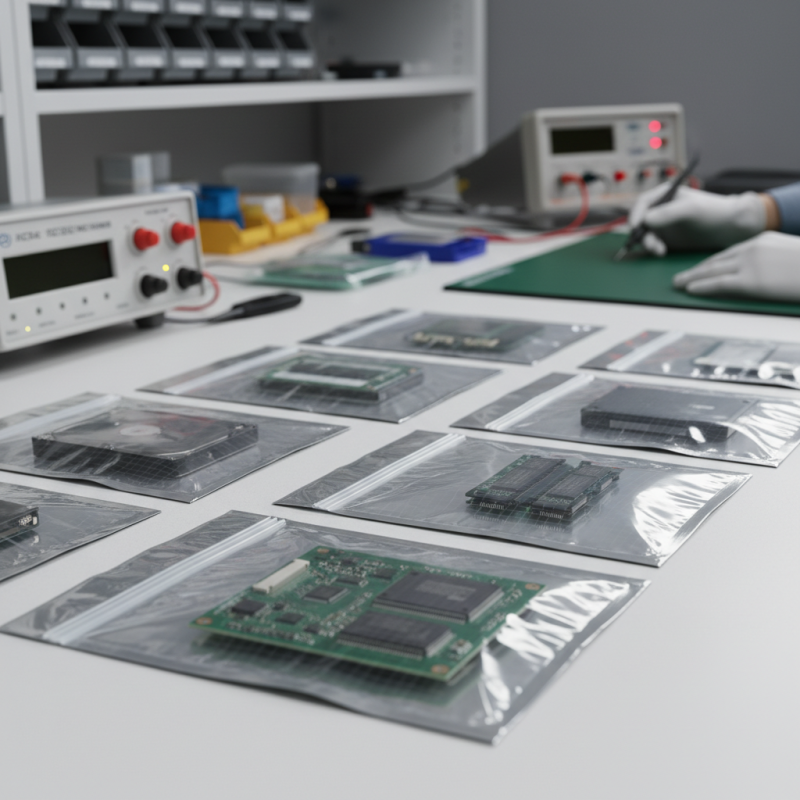
Electrostatic Discharge (ESD) shielding bags are crucial in the electronics industry. These bags protect sensitive electronic components from harmful static electricity. When static charges accumulate, they can damage these delicate parts, leading to costly failures. ESD shielding bags act as a barrier, absorbing and dissipating static energy effectively.
Understanding the purpose of these bags is essential for anyone involved in electronics. They are made from specialized materials that prevent the buildup of static charges. This characteristic is vital in environments like manufacturing and shipping. Without effective ESD protection, even a tiny spark can ruin an intricate circuit board. Proper use of ESD shielding can prevent negative outcomes in both production and assembly phases.
Despite their importance, many still overlook the significance of ESD protection. Some may use standard plastic bags instead, which can lead to device malfunction. This oversight highlights the need for education around ESD risks. Investing in quality ESD shielding bags can mitigate risks and protect valuable assets. Understanding and addressing these issues contributes to more reliable electronic products and better consumer trust.
2026 Top ESD Shielding Bags for Global Buyers Guide
| Bag Type |
Material |
Thickness (mil) |
ESD Level |
Size (inches) |
Temperature Resistance (°C) |
| Standard ESD Bag |
Polyethylene |
4 |
Class 0 |
6 x 8 |
-20 to 60 |
| Metalized ESD Bag |
Metalized PET |
6 |
Class 1 |
8 x 10 |
-30 to 70 |
| Static Shielding Bag |
Polyester/Metal |
3 |
Class 2 |
10 x 12 |
-10 to 80 |
| Conductive ESD Bag |
Conductive Plastic |
8 |
Class 0 |
5 x 7 |
-15 to 90 |
Types of ESD Shielding Bags Available in the Market
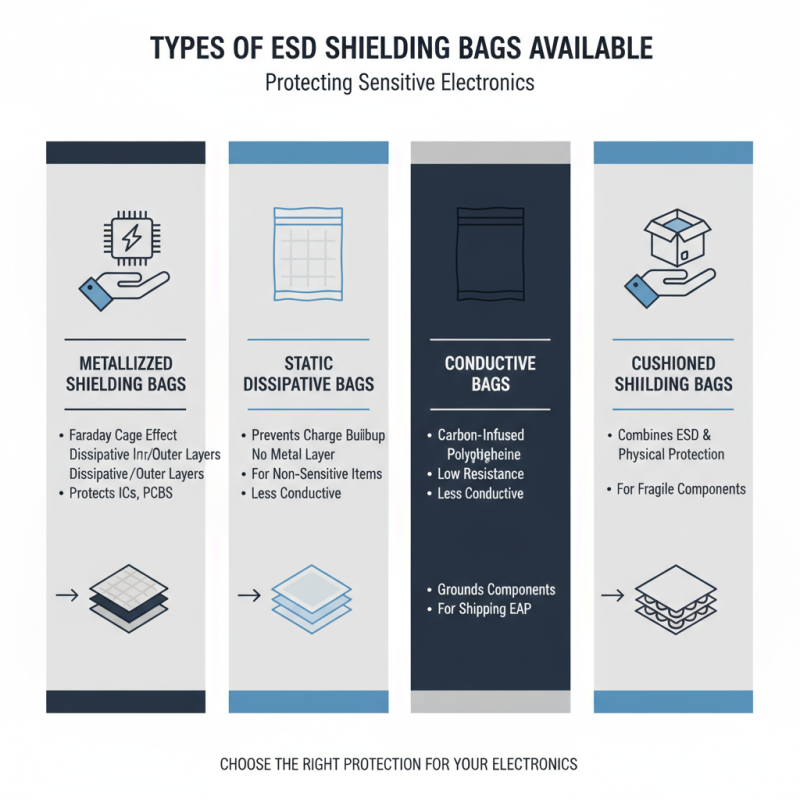
Electrostatic discharge (ESD) can damage sensitive electronic components. Understanding ESD shielding bags is crucial for safe equipment handling. Several types of ESD shielding bags are available in the market today, catering to various needs.
One common type is the metallized bag. These bags contain a thin layer of metal that provides excellent shielding against ESD. They are often lightweight and flexible, making them ideal for packaging small electronic parts. According to a recent market analysis, metallized bags account for over 40% of ESD bag sales globally. Another popular type is the static dissipative bag. Unlike metallized bags, these are made from materials that prevent static build-up without a metal layer. They offer good protection and are often used for larger components.
When selecting ESD shielding bags, consider the application and environment. Humidity levels can affect ESD performance. For example, high humidity can enhance the effectiveness of some bags. Always check specifications before making a choice.
Tip: Ensure that the bags chosen match the specific ESD protection level required for your components. Regularly assess your inventory to avoid mismatches.
Over time, the effectiveness of ESD shielding can diminish. Store bags in controlled conditions. This will help maintain their protective qualities.
Key Features to Look for in ESD Shielding Bags
When selecting ESD shielding bags, various key features should be prioritized. Look for bags that are designed using high-quality materials. These materials should effectively dissipate static electricity. A good bag will also offer excellent mechanical resistance. This protects your sensitive electronic components during handling and transit.
Consider the size and thickness of the bags. They must accommodate your products snugly without excess space. This reduces the risk of damage due to movement. Pay close attention to the closure methods as well. Secure closures minimize exposure to environmental factors. It's essential they are easy to use yet reliable.
ESD shielding bags should be tested for performance. Look for bags that have passed specific standards. However, not all bags meet these standards. Many claim to offer protection but do not deliver in real-world conditions. It's wise to read user reviews and test bags in practice. Each application may reveal flaws that aren't immediately clear. Recognizing these nuances can lead to better purchasing decisions.
Top Brands for ESD Shielding Bags in 2026
When selecting ESD shielding bags, it's crucial to understand their role in electronic safety. These bags protect sensitive components from electrostatic discharge. ESD shielding bags come in various types, including metalized films and static dissipative options. Each type has unique benefits and challenges. A well-informed choice can make a significant difference in product lifespan.
Some brands excel in producing high-quality ESD shielding bags. Their commitment to innovation ensures reliable protection. However, not all products meet the same standards. Users often report inconsistencies in performance among different models. It's essential to read reviews and conduct thorough research.
In 2026, buyers should pay attention to specific features. Thickness, clarity, and durability are important factors. A bag that appears robust may not always perform well in real-world applications. Some bags may have unexpected wear over time. Assessing these characteristics will lead to better purchasing decisions.
Buying Guidelines for Global Consumers of ESD Shielding Bags
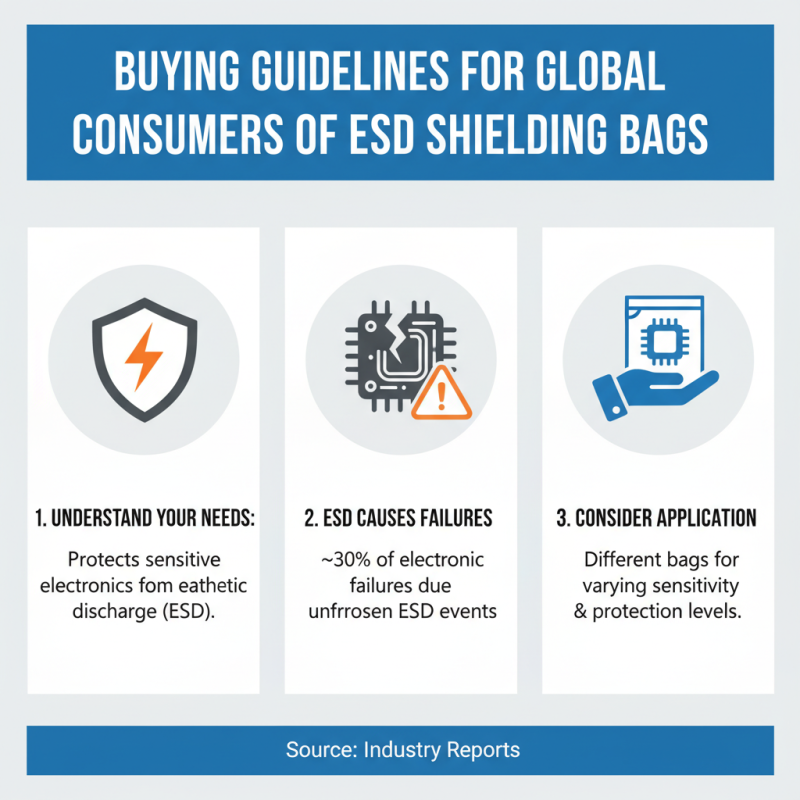
When selecting ESD shielding bags, understanding your specific needs is crucial. ESD bags protect sensitive electronics from electrostatic discharge. According to industry reports, nearly 30% of electronic failures are due to unforeseen ESD events. Consumers should consider the intended application when evaluating options. For example, different bags are designed for various levels of sensitivity and protection.
Material composition affects performance significantly. For instance, polyethylene and metallized films offer varying levels of conductivity and shielding effectiveness. Reports indicate that bags with higher shielding effectiveness typically feature multi-layer construction to minimize ESD risks. Price may seem attractive, but compromising on quality can lead to costly damage.
Buyers should also assess compliance with industry standards like IEC 61340. Awareness of these benchmarks fosters informed decisions. Additionally, not all ESD bags are created equal. Consumers sometimes overlook essential details like proper storage and handling. Proper education on these factors can prevent potential mishaps during transit and storage.