Top 10 Benefits of Eva Material You Need to Know in 2023
In the ever-evolving landscape of materials, Eva Material has emerged as a standout choice for various applications, from footwear and sports equipment to packaging and insulation. Renowned materials expert Dr. Emily Johnson emphasizes the versatility of Eva Material, stating, “Its unique properties make it not just a lightweight alternative but also a durable, eco-friendly option that meets the demands of modern consumers.” As we navigate through 2023, it is essential to understand the myriad benefits that Eva Material offers.
The significance of Eva Material lies not only in its practical applications but also in its environmentally conscious manufacturing processes. With increasing consumer awareness surrounding sustainability, Eva Material stands out for its recyclability and reduced environmental impact compared to traditional plastics. This makes it an ideal choice for both manufacturers and consumers who prioritize eco-friendly solutions.
Throughout this article, we will explore the top ten benefits of Eva Material, illustrating why it has become a crucial component in various industries. Whether you are a manufacturer seeking to innovate or a consumer interested in sustainable products, understanding the advantages of Eva Material can guide your choices in this dynamic market.

Advantages of EVA Material in Various Industries
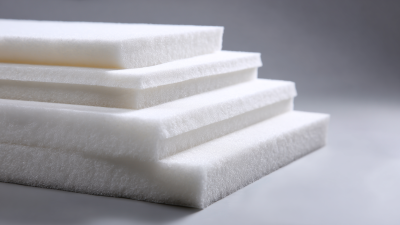
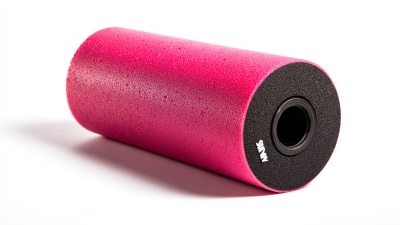
EVA (Ethylene Vinyl Acetate) material has emerged as a versatile solution across multiple industries due to its unique properties. One of the primary advantages of EVA is its flexibility coupled with excellent durability, making it a favored choice in the footwear industry. Shoes made from EVA provide comfort and support, offering superior cushioning for wearers. Additionally, this material is resistant to cracking and UV radiation, ensuring longevity and maintaining appearance even in harsh conditions.
In the packaging sector, EVA plays a crucial role due to its excellent shock-absorbing qualities and non-toxic nature. It is widely utilized in the production of protective packaging, ensuring that products remain safe during shipping and handling. Furthermore, EVA's adaptability makes it ideal for crafting various shapes and designs, allowing manufacturers to meet specific packaging needs efficiently. In the automotive industry, EVA's lightweight and insulating properties contribute to energy efficiency and noise reduction in vehicles, highlighting its importance in enhancing modern automotive design. Overall, the diverse applications of EVA material underline its significance across a range of sectors, continually shaping innovations in product development.
Top 10 Benefits of Eva Material You Need to Know in 2023 - Advantages of EVA Material in Various Industries
| Benefit |
Description |
Applicable Industries |
| Lightweight |
EVA material is significantly lighter than other materials, making it easier to transport and handle. |
Footwear, Packaging |
| Durability |
EVA is resistant to wear and tear, ensuring longevity in various applications. |
Manufacturing, Sports Equipment |
| Flexibility |
EVA can be molded and shaped easily, accommodating diverse designs and uses. |
Fashion, Toys |
| Water Resistance |
The material does not absorb water, making it ideal for wet conditions. |
Outdoor Gear, Aquatic Products |
| Non-Toxic |
EVA is safe for use in products meant for children and sensitive applications. |
Toys, Baby Products |
| Shock Absorption |
It effectively absorbs impacts, making it suitable for protection and cushioning. |
Footwear, Sports Gear |
| Cost-Effective |
Production and material costs are lower compared to many alternatives. |
Various Industries |
| Customization |
EVA can be easily colored and printed, enabling branding and design flexibility. |
Consumer Goods, Advertising |
| Thermal Insulation |
EVA can provide insulation against heat, making it useful in specific applications. |
Construction, Electronics |
| Recyclability |
EVA is recyclable, making it a more sustainable choice for many industries. |
Packaging, Eco-Friendly Products |
Durability and Lightweight Nature of EVA
EVA (ethylene-vinyl acetate) has gained significant popularity in various industries, particularly due to its exceptional durability and lightweight nature. According to a report by the European Plastics Industry Association, the use of EVA in manufacturing has increased by approximately 35% over the last five years, primarily attributed to its resilience against wear and tear. This material is known for its shock-absorbing properties, making it ideal for applications ranging from footwear to sports equipment. In fact, a study published in the Journal of Materials Science highlighted that EVA can withstand extreme temperatures while maintaining its structural integrity, outperforming many traditional materials.
The lightweight nature of EVA contributes significantly to its adoption in product design, especially in the consumer goods sector. With an average density of 0.92 g/cm³, EVA is considerably lighter than rubber and many plastics—offering manufacturers the advantage of reducing shipping costs and enhancing customer satisfaction through ease of use. A recent analysis by Global Market Insights indicated that the demand for lightweight materials in various applications is projected to grow by over 10% annually, further underscoring EVA’s role as a key player in innovative design solutions. Its combination of lightness and strength enables products to perform better while ensuring they remain user-friendly, proving that EVA is a material to watch in 2023 and beyond.
Impact Resistance and Safety Features of EVA
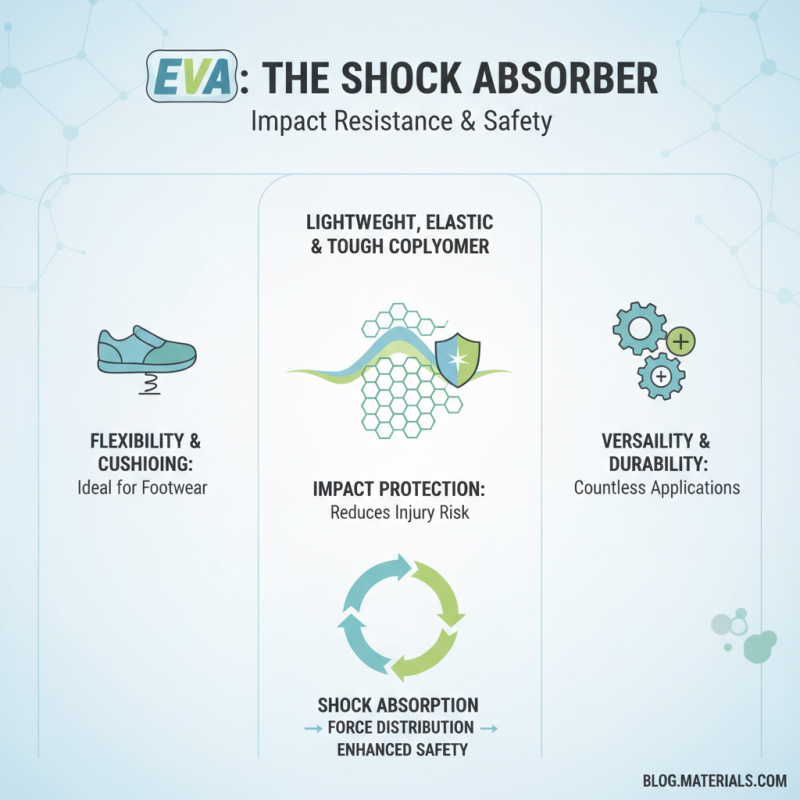
EVA, or ethylene-vinyl acetate, is a highly regarded material known for its exceptional impact resistance and safety features. This lightweight thermoplastic copolymer boasts a unique combination of elasticity, toughness, and strength, making it an ideal choice for numerous applications where safety is paramount. One of the most notable aspects of EVA is its ability to absorb shock and distribute impact forces. This characteristic is crucial in products ranging from footwear to protective gear, as it helps reduce the risk of injury during accidents or falls.
In addition to its impact resistance, EVA is also non-toxic and environmentally friendly, which enhances its appeal in safety-focused applications. Its safety features extend to being resistant to UV radiation and weathering, ensuring that products maintain their integrity even under harsh conditions. This durability not only adds to the longevity of EVA-based products but also ensures that consumers can trust their effectiveness in providing protection. Overall, EVA's combination of impact resistance and safety features makes it a valuable material in various industries, from sports and recreation to healthcare and beyond.
Environmental Impact: Sustainability of EVA Material
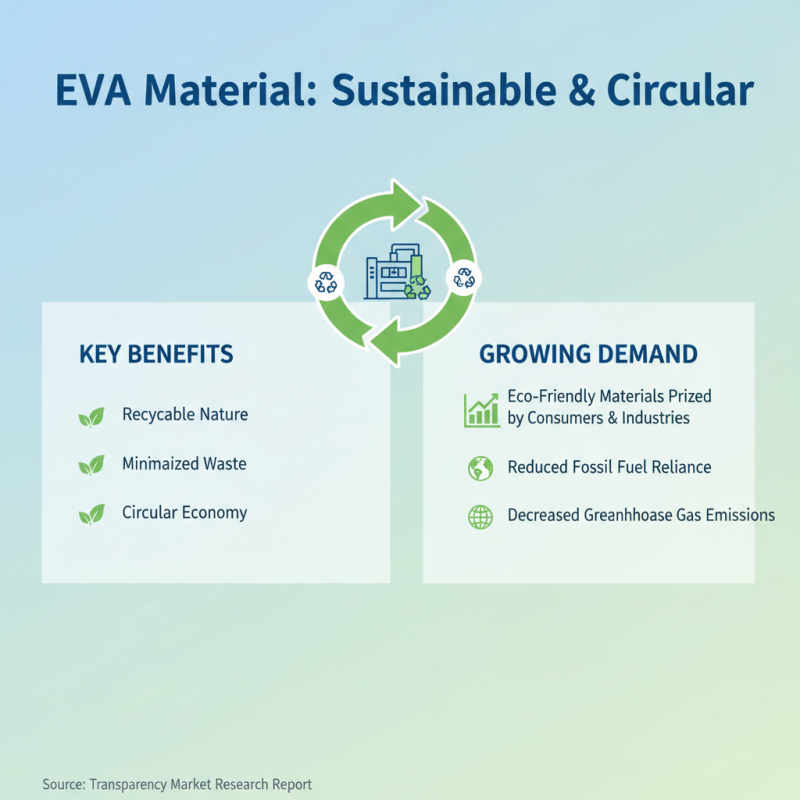
EVA (ethylene-vinyl acetate) material is increasingly recognized for its sustainability and minimal environmental impact, making it a popular choice across various industries. One of the key benefits of EVA is its recyclable nature, enabling manufacturers to minimize waste and promote a circular economy. According to a report by Transparency Market Research, the demand for eco-friendly materials like EVA is expected to increase significantly, as consumers and industries alike prioritize sustainable options. This shift not only reduces the reliance on fossil fuels but also decreases greenhouse gas emissions associated with production.
Another critical aspect of EVA's sustainability is its non-toxic properties. Studies have shown that EVA has a lower environmental footprint when compared to many other plastic materials, making it safer for both consumers and the planet. For instance, a 2021 report by Smithers highlighted that EVA does not release harmful chemicals during its lifecycle, contributing to cleaner production processes and safer end-of-life options for products. Additionally, as more companies commit to reducing plastic waste, EVA's biodegradability and ability to break down more easily than traditional plastics are becoming increasingly attractive features.
Tips: When looking to incorporate EVA into your products, consider sourcing from manufacturers who prioritize eco-friendly practices and use post-consumer recycled materials. This not only promotes sustainability but also adds value to your offerings amid growing consumer demand for responsible product choices.
Versatility of EVA in Manufacturing and Design
EVA, or ethylene-vinyl acetate, is quickly becoming a favored material in various manufacturing and design sectors due to its unique properties. Its lightweight and flexible nature allows designers to create intricate shapes while maintaining durability, making it perfect for applications ranging from footwear to packaging. The adaptability of EVA also extends to its compatibility with other materials, providing endless possibilities for creative designs that require a blend of functionality and aesthetics.
When working with EVA, it’s crucial to consider the specific project requirements. For instance, varying the density and thickness of the material can significantly impact its performance. Opt for thinner sheets for more lightweight products, while thicker options may provide better cushioning and support. Additionally, incorporating additives and colors can enhance the visual appeal of your design without sacrificing the material's inherent benefits.
Tip: Always conduct a compatibility test when combining EVA with other materials to ensure optimal adhesion and strength. This will help prevent any unforeseen issues down the line, allowing your designs to perform as intended. By harnessing the versatility of EVA, you can elevate your product offerings and tap into innovative design trends that resonate with today's consumers.
Top 10 Benefits of Eva Material You Need to Know in 2023
The chart above illustrates the top 10 benefits of EVA (Ethylene Vinyl Acetate) material in 2023, showcasing attributes such as lightweight, durability, and flexibility. Each benefit is rated on a scale from 1 to 10, demonstrating the material's versatility and value in various manufacturing and design applications.