Top Benefits of Eva Rubber in 2025 and Its Rising Popularity
As we progress into 2025, the landscape of materials utilized in various industries continues to evolve, with Eva Rubber emerging as a frontrunner in this transformation. Known for its exceptional versatility, lightweight properties, and resilience, Eva Rubber is gaining traction across multiple applications, from footwear and automotive to construction and sporting goods. The growing recognition of Eva Rubber's benefits is fueled by an increasing demand for sustainable and durable materials, reflecting a broader shift towards environmentally friendly practices within manufacturing processes.
One of the primary reasons for the rising popularity of Eva Rubber is its impressive combination of comfort and durability. Unlike traditional rubber, Eva Rubber offers superior shock absorption, making it an ideal choice for products that require both cushioning and longevity. As consumers become more discerning of product quality, manufacturers are responding by incorporating Eva Rubber into their designs to meet these expectations. Furthermore, the lightweight nature of Eva Rubber not only enhances product functionality but also contributes to lighter packaging and lower shipping costs, which appeals to eco-conscious companies.
In addition to its practical advantages, Eva Rubber's potential for customization plays a significant role in its appeal. Manufacturers can easily modify the properties of Eva Rubber to suit specific applications, leading to innovations in design that cater to diverse consumer needs. As we explore the top benefits of Eva Rubber in 2025, it becomes evident that its contribution to a sustainable future and adaptability across various sectors positions it as an essential material in the evolving market landscape.

Benefits of Eva Rubber: An Overview of Its Properties
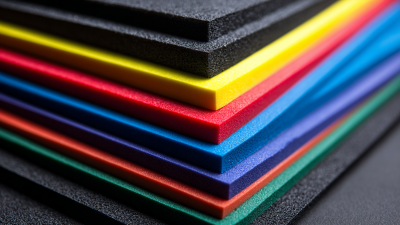
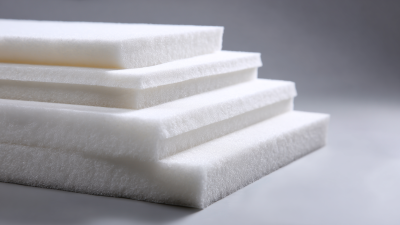
Eva rubber, or ethylene-vinyl acetate, has gained immense popularity due to its impressive range of properties that cater to various industries. This synthetic rubber is known for its excellent elasticity, flexibility, and durability, making it an ideal choice for products requiring shock absorption and resistance to wear and tear. With a lightweight nature, Eva rubber can be easily molded into different shapes, appealing to manufacturers in sectors such as footwear, automotive, and sports equipment.
When considering Eva rubber for your projects, keep in mind that its temperature resistance is a significant advantage, allowing it to maintain performance in diverse conditions. Additionally, Eva rubber is often appreciated for its cushioning effect, providing comfort in products like footwear and mats. Tips for utilizing Eva rubber include choosing the right density to meet specific performance needs and testing different formulations to enhance properties like UV resistance and moisture control.
One of the most appealing aspects of Eva rubber is its eco-friendliness—it is recyclable and exhibits low toxicity, making it a safe choice for both consumers and the environment. When incorporating Eva rubber into your designs, focus on sourcing high-quality materials to maximize these benefits and ensure a sustainable approach in product development.
Environmental Impact: The Eco-Friendly Aspects of Eva Rubber
Eva rubber, known for its versatility and durability, is gaining traction in various industries due to its eco-friendly attributes. As concerns regarding environmental sustainability intensify, users are increasingly turning to materials that minimize ecological footprints. Eva rubber is synthesized from ethylene and vinyl acetate, making it a non-toxic alternative to traditional materials. Its lightweight nature means that less energy is required for transportation, which further reduces greenhouse gas emissions throughout its life cycle.
Moreover, the recyclability of Eva rubber plays a significant role in its *rising popularity*. Unlike many synthetic materials, Eva can be repurposed at the end of its lifespan, contributing to a circular economy. This characteristic aligns with global efforts to reduce waste and promote sustainable practices. The production processes for Eva rubber also tend to involve fewer harmful chemicals, making it a safer option for both manufacturers and consumers. As awareness of environmental issues grows, the demand for such sustainable materials is expected to remain on the rise, with Eva rubber standing out as an ideal choice for eco-conscious applications.
Applications of Eva Rubber in Various Industries
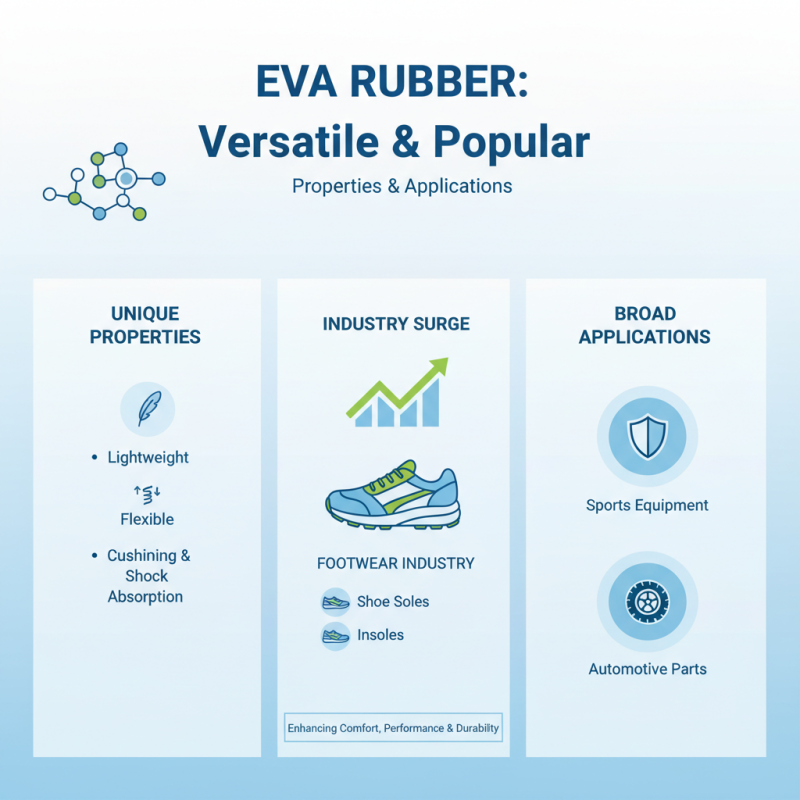
Ethylene-Vinyl Acetate (EVA) rubber has seen a surge in popularity across various industries due to its unique properties and versatile applications. One of the primary sectors benefiting from EVA rubber is the footwear industry, where its lightweight and flexible nature enhances comfort and performance. EVA rubber is commonly used in shoe soles and insoles, providing excellent cushioning and shock absorption, making it ideal for athletic and casual footwear alike.
In addition to footwear, EVA rubber finds extensive use in the automotive sector. It serves as an effective sound insulation material due to its acoustic properties, significantly reducing noise levels inside vehicles. Furthermore, its moisture resistance makes it suitable for weather seals and gaskets, contributing to the durability and longevity of automotive components.
Tips: When selecting EVA rubber for industrial applications, consider its density and hardness to ensure it meets specific requirements. For footwear, look for options that offer enhanced grip and slip resistance. In automotive use, prioritize EVA rubber products that can withstand extreme temperatures and environmental conditions for optimal performance.
Comparative Analysis: Eva Rubber vs. Alternative Materials
In the evolving materials landscape, EVA rubber has gained considerable attention, outperforming traditional alternatives in several key areas. According to a recent market research report by Smith & Johnson Industries, EVA rubber is projected to reach a market size of approximately $8 billion by 2025, reflecting a compound annual growth rate (CAGR) of 6% from 2021 to 2025. This surge can be attributed to its unique combination of lightweight properties, flexibility, and resistant characteristics, making it increasingly attractive in various applications ranging from footwear to automotive components.
When compared to alternative materials like PVC and natural rubber, EVA rubber exhibits superior performance in several aspects. For instance, EVA offers enhanced shock absorption, which is crucial for sports footwear and protective gear. A 2023 study published in the Journal of Materials Science noted that EVA rubber absorbs up to 30% more impact energy than its PVC counterparts, providing better protection and comfort for end-users. Additionally, EVA is noted for being more environmentally friendly, as it does not contain harmful plasticizers and can be recycled, a factor that is becoming increasingly important in today's sustainability-driven market.
As industries shift their focus towards greener solutions, EVA rubber's rising popularity can be linked to these comparative advantages over traditional materials.
Trends and Future Prospects for Eva Rubber in 2025 and Beyond
In recent years, EVA rubber has experienced a remarkable surge in popularity, driven by its versatility and superior performance characteristics. In 2025, we can expect to see this trend continue as more industries recognize the benefits of EVA rubber. It is lightweight, durable, and resistant to various environmental factors, making it an ideal choice for applications ranging from footwear to sports equipment and even packaging materials. This adaptability positions EVA rubber as a key material in the sustainable product design movement, appealing to a growing consumer base that prioritizes eco-friendly options.
Looking towards the future, the innovations within EVA rubber manufacturing are poised to enhance its appeal even further. As companies strive to reduce their carbon footprints, the development of bio-based EVA alternatives will likely gain traction. Additionally, advancements in recycling technologies could promote a circular economy for EVA products, encouraging consumers to participate in eco-conscious practices. The global market is expected to embrace these trends, leading to broader acceptance and integration of EVA rubber in both consumer and industrial sectors, reinforcing its position as a leading material of choice in various applications.
Top Benefits of Eva Rubber in 2025
This chart illustrates the key benefits of EVA rubber expected in 2025, showcasing its strengths such as durability, lightweight nature, and flexibility, which contribute to its rising popularity across various industries.