Leave Your Message

Best Adhesive EVA Foam Sheets for Buyers in 2026

Choosing adhesive foam can look simple. A sheet sticks, or it does not. In real projects, the details matter. Adhesive Eva Foam Sheets may be used for craft panels, equipment padding, display work, or light-duty sealing, and each use places different demands on the material. Thickness, foam density, surface texture, adhesive type, and liner quality all affect handling and performance. A smooth sheet that works on a clean plastic panel may not bond well to dusty wood or textured metal. Small differences count.

This guide helps buyers compare options for 2026 with practical criteria, not broad promises. Check the product data sheet for thickness tolerance, adhesive specifications, temperature guidance, and recommended surfaces. Ask suppliers how they verify consistency between batches. If possible, test a small sample on the actual surface before ordering a large quantity. Press it down firmly. Wait, then inspect the edges and bond. These steps take time, but they can prevent waste.

No single sheet is ideal for every job. Some buyers need easy cutting and clean removal; others need a firmer cushion or a stronger, longer-lasting bond. Be cautious when listings use words such as “universal” without naming tested surfaces or conditions. The right choice depends on the application, storage environment, and installation method. Even careful testing has limits: dust, humidity, and rushed preparation can change the result. A clear comparison of materials and supplier information gives buyers a more reliable starting point.
Best Adhesive EVA Foam Sheets for Buyers in 2026

What Are Adhesive EVA Foam Sheets?

What Are Adhesive EVA Foam Sheets?

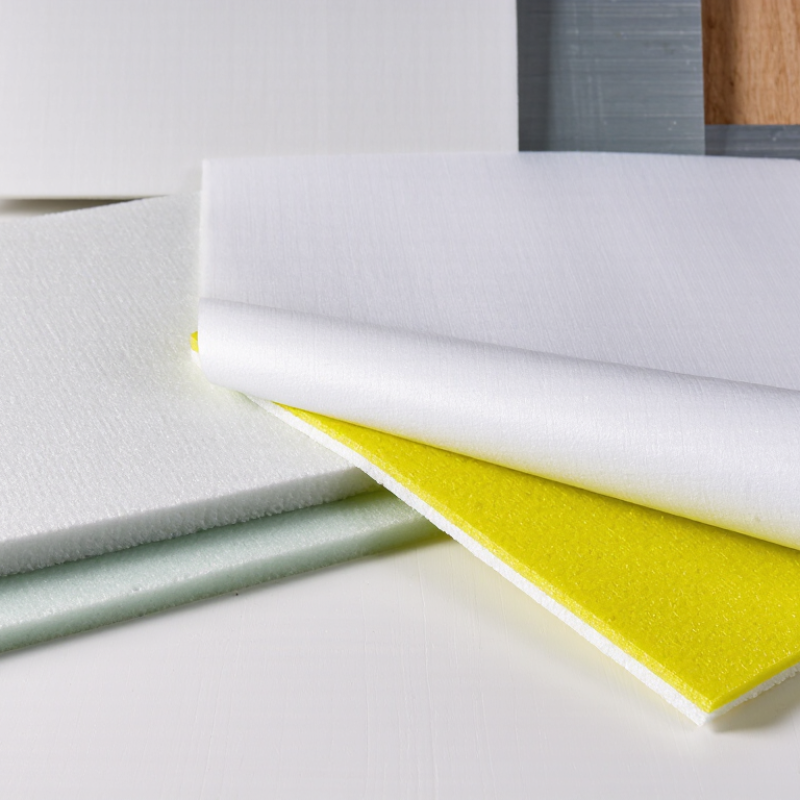
Adhesive EVA foam sheets are flexible, closed-cell foam panels with a pressure-sensitive adhesive layer on one side. EVA means ethylene-vinyl acetate, a lightweight material known for resilience, cushioning, and water resistance. The foam usually has a smooth release liner that protects the adhesive before use. Peel it away, then press the sheet onto a clean surface.

These sheets suit craft panels, drawer liners, equipment padding, cosplay parts, signage, and light sound-damping projects. Thickness matters. A 2 mm sheet bends around shallow curves, while a 10 mm sheet provides stronger cushioning but resists tight corners. Density also changes the feel. Softer foam compresses easily; firmer foam supports heavier contact points. Measure twice.

Adhesion depends on preparation. Dust, oil, fabric fibers, and textured paint can weaken the bond. Wipe hard surfaces with a suitable cleaner, let them dry, and apply steady pressure across the entire sheet. A small test piece helps reveal curling, staining, or poor grip. Temperature matters too. Cold foam may feel stiff, while excessive heat can distort its shape. I have seen perfectly cut pieces fail because the backing was removed too early. That mistake is easy to repeat. For demanding projects, allow the adhesive to set before stressing the joint, and check the edge after several hours.


Best Adhesive EVA Foam Sheets for Buyers in 2026

What Are Adhesive EVA Foam Sheets? They are flexible ethylene-vinyl acetate foam sheets with a pressure-sensitive adhesive layer on one side. The thickness ranges below are indicative examples of common uses, not product specifications; actual requirements vary by application.

Choose thickness based on the required cushioning, fit, and compression. Confirm the foam grade and adhesive compatibility with the intended surface and operating conditions.

How Do Self-Adhesive EVA Foam Sheets Work?

Self-adhesive EVA foam sheets combine a flexible, closed-cell foam layer with a pressure-sensitive adhesive and a removable release liner. Peel away the liner, align the sheet, then press it firmly onto a clean, dry surface. Pressure helps the adhesive make contact with small surface irregularities; it does not work like a liquid glue that cures after application. Smooth metal or plastic usually bonds more predictably than dusty, textured, or oily surfaces. A fingertip can feel the difference: loose edges often signal poor contact or contamination.

The adhesive’s performance depends on its formulation, the surface, temperature, and applied pressure. ASTM D3330 measures peel adhesion, while ASTM D3654 evaluates adhesive holding power under sustained load; these tests help compare materials, but do not guarantee identical results in every use. The Grand View Research Ethylene Vinyl Acetate Market report estimated the global market at about US$11.2 billion in 2023 and projected 6.2% annual growth through 2030. That figure concerns EVA broadly, not adhesive foam sheets specifically—a distinction buyers should keep in mind. In practical use, test a small piece first and allow the bond time to settle. Even careful installation can disappoint on a rough wall.

Which Features Matter When Comparing Foam Sheets?

When comparing adhesive EVA foam sheets, start with the job they must do. A 2024 Grand View Research report valued the global ethylene-vinyl acetate market at about US$11.6 billion in 2023, reflecting broad demand across packaging, footwear, and other applications. That figure describes the wider material market, not adhesive-sheet performance. Buyers still need to check foam density, thickness tolerance, compression recovery, and adhesive type against their own use. A sheet cushioning a tool case faces different demands from one sealing a vibrating panel.

Check the technical data sheet for operating temperature, recommended surfaces, and application pressure. Then review peel and shear results, noting the test method and conditions. ASTM D3330 measures pressure-sensitive tape peel adhesion; ASTM D3654 covers shear adhesion. Results are meaningful only when test conditions resemble the intended application. Try a sample on the actual substrate, especially if it is textured, dusty, or low-energy plastic. Press it firmly, leave it in place, then inspect the edge after exposure to warmth or moisture. Small trials take time. They can still prevent a costly mismatch. One imperfect point: published test data rarely captures every surface variation on a real production line.

How Can Buyers Match Foam Sheets to Their Applications?

Buyers should match adhesive EVA foam sheets to the job, not just the listed thickness. For drawer liners, a thin, flexible sheet may cushion dishes without taking too much space. Equipment enclosures often need denser foam that resists compression and helps reduce vibration. Check the adhesive type too: a permanent bond suits clean, stable surfaces, while a removable option may be safer for painted panels. Surface preparation matters. Dust, oil, and textured finishes can weaken adhesion.

Consider the environment. Foam near a warm motor or sunlit window may soften or lose grip, so check the supplier’s temperature and aging data. For damp areas, ask whether the foam and adhesive are tested for moisture exposure; “water resistant” can mean different things.

Measure the full application, including corners and seams. A small test piece can reveal whether the foam compresses enough and whether the adhesive holds after a day. It is not a perfect test, but it can prevent a sheet from lifting at the edges.

For cutting, thin sheets are easier to trim around switches and brackets. Thicker sheets can cushion heavier items, but may crowd a tight enclosure. Ask for consistent thickness, clear adhesive specifications, and a sample when tolerances matter. Real installations are rarely as neat as a catalog photo.

What Should Buyers Check Before Purchasing in 2026?

Before buying adhesive EVA foam sheets in 2026, check the foam thickness, density, and surface finish against your project. A 2 mm sheet may suit a flat craft panel, while a thicker sheet can cushion a storage insert. Press a corner gently: it should recover without staying visibly dented. Small test, useful clue.

Check the adhesive backing as carefully as the foam. Ask whether it is intended for your surface, such as painted wood, metal, or plastic. Dust, texture, and temperature can affect grip. If possible, test a sample on a hidden area and leave it in place overnight. Then peel it slowly. Clean removal matters too.

Review the sheet dimensions, backing liner, and storage conditions before ordering. A roll may reduce seams, but pre-cut sheets can be easier to handle on a small worktable. Look for clear product details and consistent measurements, not just broad claims about strength. “Waterproof” can mean different things in practice. For damp rooms or frequent handling, request specific test information. One detail buyers sometimes miss: adhesive may bond poorly to dusty foam or freshly painted surfaces. I learned that the irritating way. Allow surfaces to dry, measure twice, and keep a little extra material for trimming.

Best Adhesive EVA Foam Sheets for Buyers in 2026 — What Should Buyers Check Before Purchasing?

Buying Check What to Verify Why It Matters Practical Buyer Guidance
Foam thickness Confirm the stated thickness and its tolerance; common sheet options vary by supplier and application. Thickness affects cushioning, flexibility, fit, and the space available for installation. Measure the available gap and test a sample in the intended assembly before ordering a large quantity.
Sheet dimensions Check the actual length and width, whether dimensions are nominal, and whether sheets can be cut to size. Incorrect dimensions can increase trimming, waste, and installation time. Compare the usable sheet area with your part layout and allow for cutting losses.
Foam density and firmness Ask for density, hardness or compression information when these properties matter; request the test method and units. Density and firmness influence how the foam feels and behaves under load, but neither alone describes every performance characteristic. Match the specification to the required cushioning or support, and evaluate a sample under the expected load.
Cell structure Determine whether the EVA foam is closed-cell or open-cell and review any relevant product test data. Cell structure affects water absorption, compressibility, and suitability for different environments. Do not assume a foam sheet or its cut edges form a waterproof seal; assess seams and the full assembly.
Adhesive type Identify the adhesive as a pressure-sensitive adhesive or another specified adhesive system, and check its intended substrates. The foam and adhesive must both be compatible with the surface and application conditions. Check the technical data sheet for substrate compatibility, application instructions, and any limitations.
Adhesion performance Request peel or tack data only with the test method, substrate, conditioning, and test conditions stated. Adhesion results depend on the adhesive, surface, preparation, temperature, and test method; a number without context can mislead. Run a representative bond test on the actual substrate before production use.
Surface preparation Check whether the application surface must be clean, dry, smooth, or free of dust, oil, and release agents. Contamination and uneven surfaces can reduce contact and weaken a pressure-sensitive bond. Follow the supplier’s preparation instructions and apply firm, even pressure during installation.
Temperature and environment Review the adhesive’s application and service-temperature limits, plus any guidance for moisture, sunlight, or outdoor exposure. Temperature and environmental exposure can affect bonding and foam performance. Use the documented limits for the specific product; do not infer them from the EVA foam material alone.
Release liner and handling Check liner material, ease of removal, sheet handling requirements, and whether the adhesive is protected during storage. A suitable liner helps protect the adhesive before use and can make placement more manageable. Confirm that the liner can be removed cleanly and that the sheet can be positioned without stretching or folding.
Cutting and fit Check whether the sheet can be cut with the tools and processes available for the project. Clean, accurate cuts help the foam fit the part and reduce exposed edges or excess material. Make a trial cut and test the fit before committing to the full production layout.
Documentation and consistency Request a current technical data sheet, stated tolerances, and a sample or specification confirmation for the supplied item. Documented specifications make it easier to compare products and check that repeat orders meet requirements. Compare products using the same test conditions and retain the approved specification with purchasing records.
Sample and order quantity Ask whether samples are available and confirm sheet count, packaging, and the quantity basis for the quotation. A sample helps verify fit and adhesion, while clear quantity details reduce ordering misunderstandings. Approve a sample in the real application before placing a bulk order.

Note: EVA foam and adhesive specifications vary by product. Confirm dimensions, test methods, tolerances, and operating limits with the current technical data sheet for the exact sheet being considered.