Best Eva Rubber Suppliers for Your Global Sourcing Needs?
As the demand for EVA rubber grows globally, finding reliable suppliers becomes crucial. Leading industry expert Dr. Samuel Chen notes, "Quality EVA rubber can greatly impact product longevity." This highlights the importance of choosing a supplier that prioritizes quality.
In the competitive landscape of EVA rubber, various suppliers offer different specialties. Some focus on sustainability, while others emphasize production efficiency. Each choice carries weight. Selecting a supplier requires careful consideration of their capabilities and reputation.
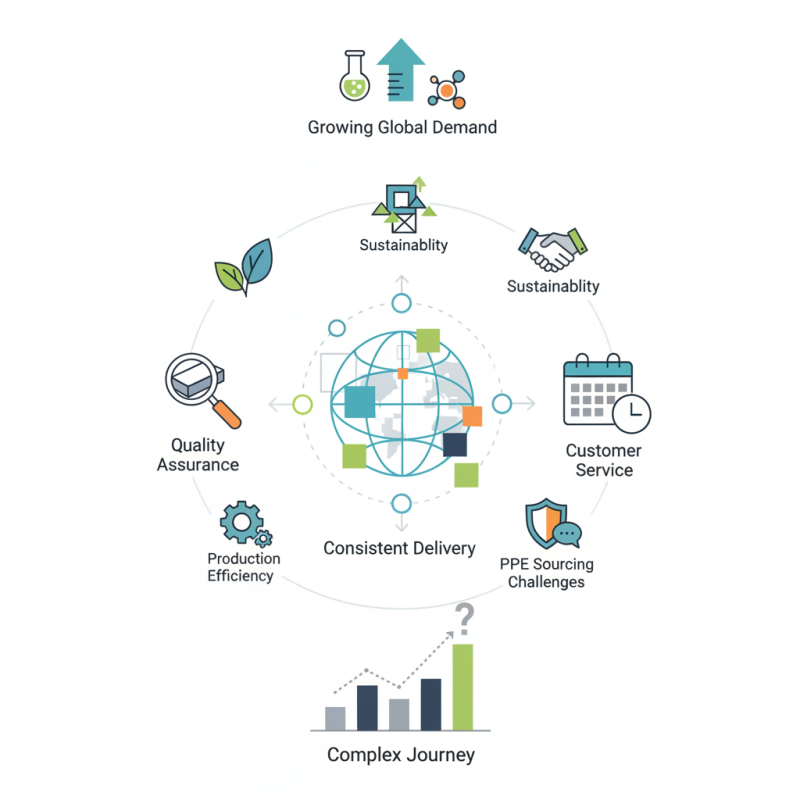
The journey to find the best EVA rubber suppliers is complex. Quality assurance, consistent delivery, and customer service are key factors. Businesses must critically assess suppliers to ensure their choice aligns with industry standards. Recognizing the challenges in sourcing PPE can also lead to better decisions. In a world where material quality matters, understanding supplier dynamics is essential for success.
Overview of Eva Rubber and Its Applications in Various Industries
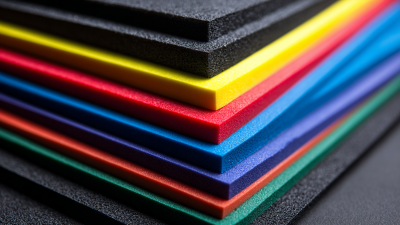
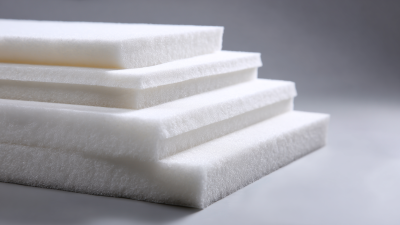
Ethylene-vinyl acetate (EVA) rubber is a versatile material with numerous applications across various industries. Its unique properties, such as flexibility, durability, and resistance to UV radiation, make it ideal for many uses. In footwear, EVA rubber is commonly employed for making comfortable insoles and outsoles. Its lightweight nature enhances the overall comfort of shoes, making them a popular choice among consumers.
In the automotive sector, EVA rubber is often utilized in sealing and insulation components. It provides excellent shock absorption and weather resistance, which are crucial for vehicle performance and longevity. Moreover, the packaging industry benefits from EVA’s lightweight and protective qualities. Products made from EVA rubber offer superior cushioning, reducing damage during shipping.
Despite its advantages, sourcing high-quality EVA rubber can be challenging. Not all suppliers adhere to strict quality standards. Companies must conduct thorough research to find reliable sources. This requires evaluating suppliers based on their production processes and certifications. The search for the right partner might take time, but it is essential to ensure product performance and meet industry demands effectively. It is worth noting that some suppliers may not provide transparent information about their sourcing and production methods, leading to potential risks in quality and sustainability.
Usage of EVA Rubber in Various Industries
Criteria for Selecting the Best Eva Rubber Suppliers
When selecting Eva rubber suppliers for global sourcing, there are important criteria to consider. Start with assessing their experience in the industry. Suppliers with a long track record often demonstrate reliability and expertise. Look for testimonials and case studies that showcase their capabilities. A commitment to quality materials is crucial. High-quality Eva rubber will impact the end product significantly.
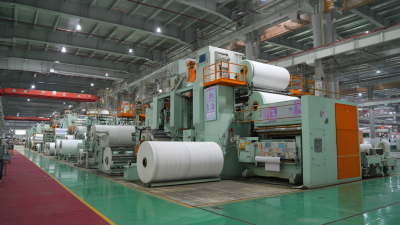
Additionally, evaluate their production capacity and technology. Suppliers using modern machinery can ensure consistent quality. It's essential to inquire about their production processes and any certifications they hold. Transparency in operations builds trust and indicates a supplier's willingness to maintain high standards.
Communication plays a vital role. A supplier should be responsive and open to collaboration. It's beneficial when they understand regional market needs and can provide tailored solutions. Reflect on the potential challenges, like time zones and language barriers. These factors can complicate sourcing. Establishing a strong partnership often requires time and effort, but the right supplier can significantly ease the process.
Top Global Eva Rubber Suppliers: A Comparative Analysis
In today's global market, sourcing EVA rubber can be a daunting task. With so many suppliers available, making the right choice is essential. A comparative analysis of top global suppliers reveals significant variances in quality and pricing. Certain suppliers excel in production efficiency, ensuring timely delivery. Others may focus on premium materials but lack competitive pricing. Identifying what matters most for your business can lead to better decisions.
Many suppliers boast extensive experience, yet their product quality may not align with expectations. It’s crucial to investigate supplier backgrounds. Some companies lack certifications that prove their reliability. This can lead to products that do not meet industry standards. Additionally, communication barriers can hinder understanding of specific needs. A supplier's ability to adapt to your unique requirements is vital for long-term success.
Additionally, exploring emerging suppliers might reveal hidden gems. They often offer innovative solutions and competitive rates. However, these newer players might lack the track record typical of established firms. Conducting thorough assessments is key. The right EVA rubber supplier should not only meet immediate demands but also grow alongside your business. Engage with potential suppliers to discuss their strengths and weaknesses. This dialogue can uncover insights that may not be visible in the initial phases.
Best Eva Rubber Suppliers for Your Global Sourcing Needs
| Supplier Location |
Production Capacity (Tons/Year) |
Product Range |
Quality Certification |
Average Lead Time (Days) |
Export Experience (Years) |
| China |
5000 |
Foam, Sheets, Custom Molds |
ISO 9001 |
30 |
10 |
| Vietnam |
3000 |
Rolls, Protective Gear |
ISO 14001 |
25 |
8 |
| India |
7000 |
Tiles, Insulation |
CE, ISO 9001 |
40 |
12 |
Benefits of Partnering with Established Eva Rubber Suppliers
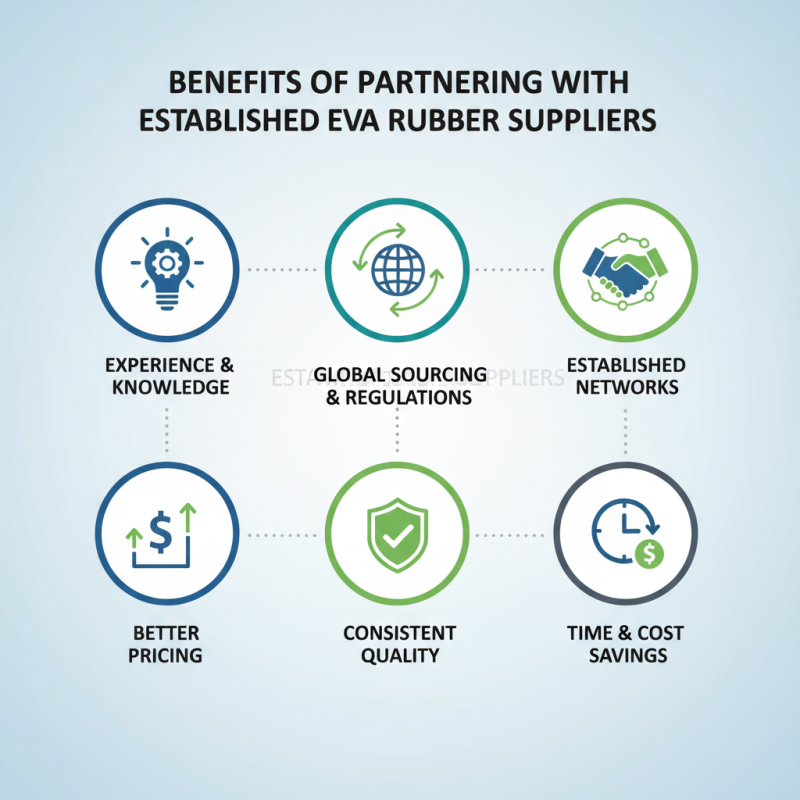
Partnering with established EVA rubber suppliers offers numerous benefits. These experienced suppliers bring years of knowledge to the table. They understand the complexities of global sourcing and can navigate local regulations effectively. Their established networks often ensure better pricing and consistent quality. This can save businesses both time and money.
Reliability is key when selecting suppliers. Working with reputable EVA rubber manufacturers means you can count on timely deliveries and stable production. Quality assurance processes in place provide peace of mind. However, not every supplier will meet expectations. Evaluating their effectiveness can be an ongoing challenge. Companies must be vigilant and proactive in assessing supplier performance.
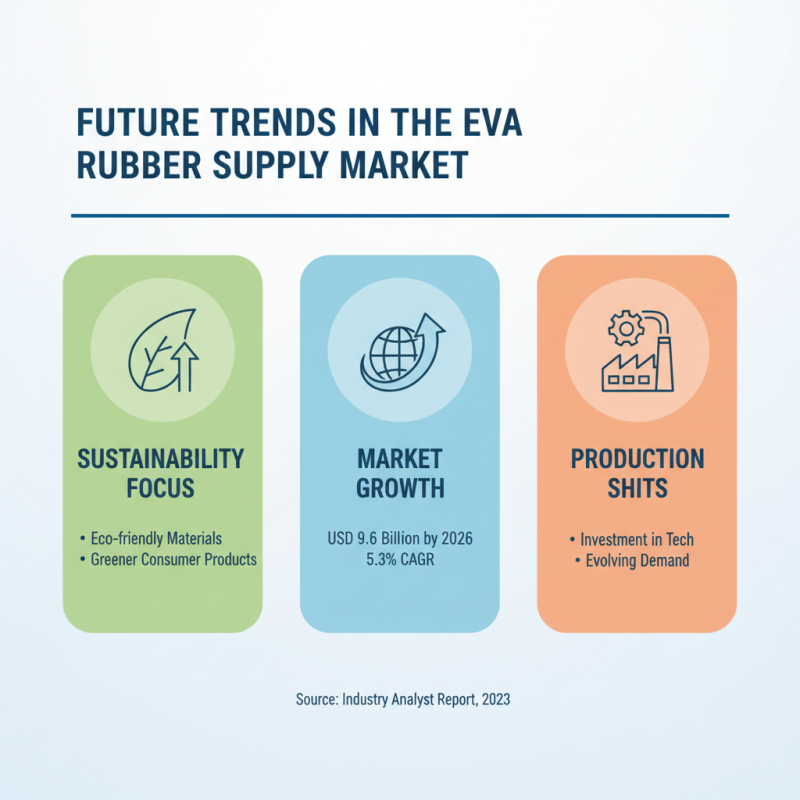
Additionally, established suppliers usually invest in innovation. This can lead to enhanced product offerings and improved sustainability practices. Yet, this innovation may come with evolving costs. Sourcing must be continuously adapted to balance quality, sustainability, and price. Engaging with experienced suppliers allows businesses to stay informed about market trends. This adaptability is essential for long-term success.