Best Insulated Aluminum Bag for Keeping Food Fresh?
In today's fast-paced world, keeping food fresh during transport is crucial. Insulated Aluminum Bags have gained popularity for their efficiency. A recent industry report indicates that the demand for insulated food carriers has increased by over 25% in the past year. This surge highlights the importance of reliable food storage solutions.
These bags not only maintain temperature but also protect against contamination. Their multilayered design enhances insulation, keeping food hot or cold longer. However, not all insulated bags perform the same. Some may lack durability, leading to disappointed users. Many people overlook this when making a purchase.
Finding the perfect Insulated Aluminum Bag can be challenging. Factors like insulation quality, zipper strength, and design matter. Researching various brands is essential. User reviews often reveal common issues, such as insulation failure over time. This makes it clear that not all products live up to their promises. Therefore, careful selection is important for those wanting to ensure their food stays fresh.
Types of Insulated Aluminum Bags Available in the Market
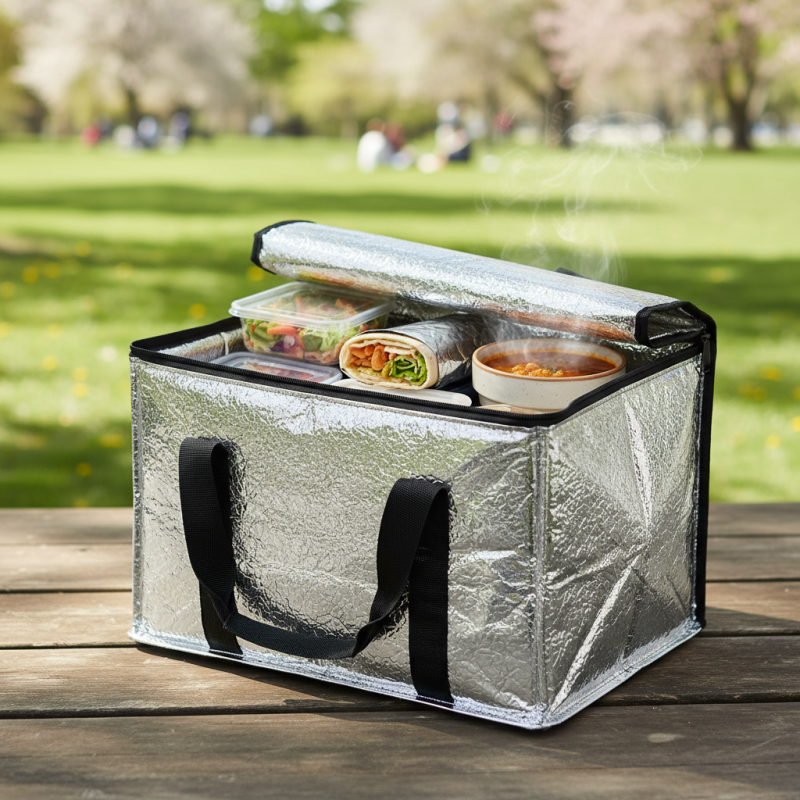
Insulated aluminum bags come in various types, each designed to meet specific needs. Many of these bags are meant for grocery shopping. They help keep perishables fresh during your commute. A typical insulated bag may feature a silver lining that reflects heat, improving insulation. Some bags are collapsible, making them easy to store when not in use.
Another option includes cooler-style bags. These often have spacious interiors, perfect for picnics or outdoor trips. They might include extra pockets for utensils or condiments. However, some users find them bulky. This can be a drawback, especially when space is limited.
Thermal tote bags are also popular. They are lightweight and convenient for daily use. They can easily fit into a backpack or a larger shopping bag. Yet, not all thermal bags maintain temperature well for long periods. Some require ice packs, adding extra weight.
Choosing the right insulated aluminum bag often involves balancing size, weight, and insulation effectiveness. Finding the ideal option can require testing and reflection on personal needs.
Key Features to Look for in an Insulated Aluminum Bag
When looking for the best insulated aluminum bag, several key features can make a significant difference. The material quality is crucial. Insulated aluminum should be durable yet lightweight. This allows for easy carrying while ensuring food remains fresh. Look for bags with double insulation layers. They provide better temperature retention. A high-quality zipper also helps maintain the internal climate.
Size matters too. Choose a bag that suits your needs. If you plan to carry meals for a family, opt for larger sizes. For single servings or snacks, smaller bags work well. Consider bags with compartments. They keep different food items separate and organized.
Tips: Always check the sealing mechanism. A poor seal can lead to temperature loss. Remember, lightweight bags can be portable but may sacrifice some insulation. Reflect on your needs before purchasing. Think about how often you will use it. This can help you choose wisely.
Benefits of Using Insulated Aluminum Bags for Food Preservation
Insulated aluminum bags are becoming popular for food preservation. They offer significant benefits in maintaining food freshness. According to a recent study by the American Institute of Food Science, insulated bags can keep food at stable temperatures for up to six hours. This is crucial for perishable items like meat or dairy, which can spoil when not stored properly.
These bags utilize a layer of aluminum that reflects heat and moisture. This technology helps in reducing thermal transfer. A report from the Food Packaging Association indicates that insulated bags can effectively prevent bacteria growth. Keeping food at lower temperatures slows down spoilage, making these bags a smart choice for picnics and long trips.
However, it is essential to use these bags correctly. Mismanagement can lead to temperature fluctuations. It's not enough to just have an insulated bag; knowing how long food can safely stay inside matters too. Some users may forget to check their bags or the time since packing. Overall, insulated aluminum bags are a step forward, but they require careful handling to ensure food safety.
How to Properly Clean and Maintain Your Insulated Aluminum Bag
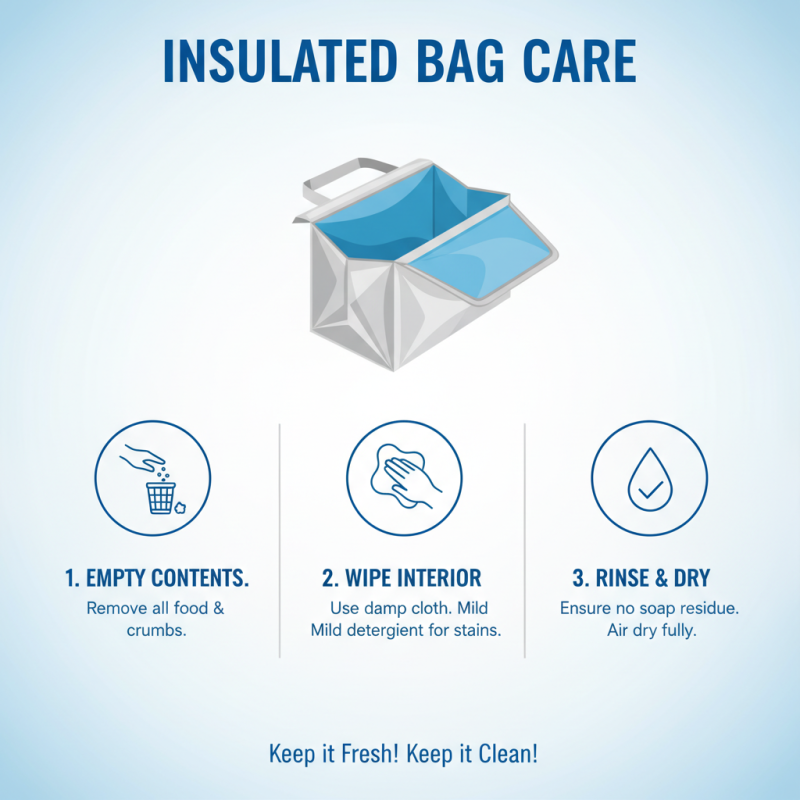
Cleaning and maintaining your insulated aluminum bag is crucial. Regular care keeps it in top shape and helps preserve food freshness. Start by emptying the bag completely. Check for any spills or crumbs. Use a damp cloth to wipe down the interior. For stubborn stains, a mild detergent can be used. Make sure it gets rinsed well, as residue may affect food quality.
Let’s consider drying. It’s essential to air dry your insulated bag completely. Bacteria thrive in damp environments, so don’t skip this step. Remember to check the exterior, too. Wipe it down with a cloth to remove dirt. Inspect zippers and seams for wear and tear. Timely maintenance prevents bigger issues down the line.
Sometimes, even with the best efforts, odors may linger. In such cases, try using baking soda inside the bag. This can help absorb unwanted smells. Take time to reflect on your cleaning routine. Are you doing enough to ensure freshness? Regular cleaning habits will extend the life of your bag and maintain its effectiveness.
Comparative Analysis of Popular Insulated Aluminum Bag Brands
Insulated aluminum bags are becoming essential for food transport. They keep items fresh through effective temperature regulation. A recent industry report highlighted that 75% of consumers prefer insulated bags for maintaining food quality during travel. These bags are often lined with thermal materials, reducing heat transfer. The outer aluminum layer adds a lightweight, durable characteristic.
When comparing popular brands, variation in thermal performance is evident. Some bags claim to keep items cold for over 6 hours. However, independent tests reveal differing results. Inconsistent insulation quality affects overall performance. Certain models may not maintain cold temperatures effectively. This can lead to spoilage, undermining the purpose of using these bags.
Design features also play a significant role. Zippers, seams, and insulation thickness can impact usability. A recent study showed that 45% of users faced difficulty with zipper durability. This aspect often demands improvement. The overall effectiveness of insulated aluminum bags hinges on both material quality and design functionality. Investing in a durable product may yield better food preservation results in the long run.
Best Insulated Aluminum Bag for Keeping Food Fresh
This chart provides a comparative overview of various performance metrics for insulated aluminum bags. The data illustrates average insulation efficiency, durability, weight, price, and user ratings, allowing consumers to make informed decisions based on key features.