Best Ldpe Bag Types for Packaging Solutions Do You Know Them?
The use of Low-Density Polyethylene (Ldpe Bag) in packaging solutions is becoming increasingly pivotal. According to the Plastic Packaging Markets report, the global demand for Ldpe bags is projected to grow by 4.5% annually through 2025. This growth reflects the versatility and reliability of Ldpe bags in various industries, from retail to food service.
Expert Jake Thompson, a leading figure in the packaging industry, states, "Ldpe bags offer unique benefits, but careful selection is essential." This highlights the importance of choosing the right type for specific applications. Ldpe bags are lightweight, flexible, and resistant to moisture, making them suitable for diverse packaging needs. Yet, misjudgments in their application can lead to ineffective packaging solutions.
As the industry evolves, understanding the nuances of Ldpe bags becomes crucial. Different strengths and thicknesses exist, each tailored for particular uses. Companies must avoid the common trap of one-size-fits-all packaging. Reflecting on best practices can help optimize material use while minimizing environmental impact. Those who wish to succeed in utilizing Ldpe bags should embrace this complexity.
Understanding LDPE: Properties and Benefits for Packaging
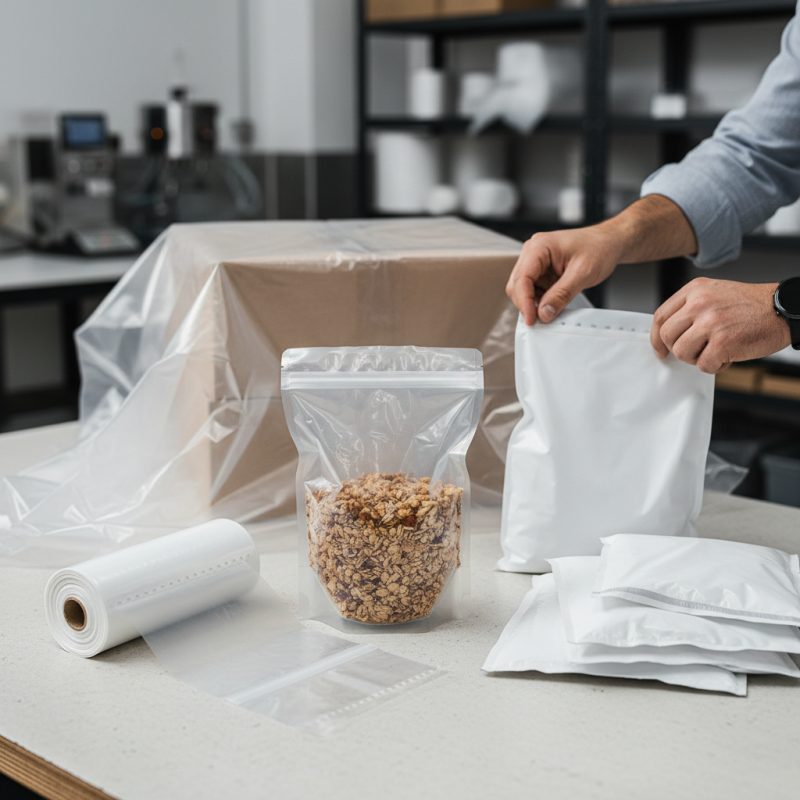
Low-Density Polyethylene (LDPE) is a popular material for packaging. It is lightweight and flexible, making it ideal for various applications. LDPE bags are often used for grocery shopping, food storage, and shipping items. Their resilience against moisture is another advantage. This quality helps protect contents from moisture damage.
The production of LDPE involves polymerization processes that create its unique properties. The bags can be clear or colored, providing visual appeal. They are often recyclable, allowing for a more sustainable approach to packaging. However, not all recycling facilities accept LDPE, which may pose a challenge for consumers looking to be eco-friendly. Awareness of local recycling policies can help.
Despite its benefits, LDPE has some drawbacks that require consideration. The bags are not as strong as other materials, limiting their use for heavy items. Crumpling and tearing can occur if overstuffed. Furthermore, the environmental impact of plastic waste is a growing concern. Continuous reflection on LDPE's role in packaging helps improve its usage and encourages innovative solutions.
Common Types of LDPE Bags Used in Various Industries
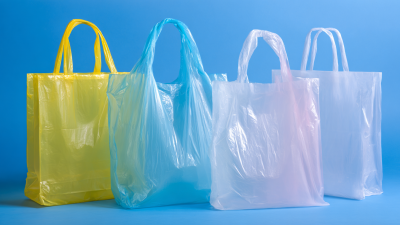
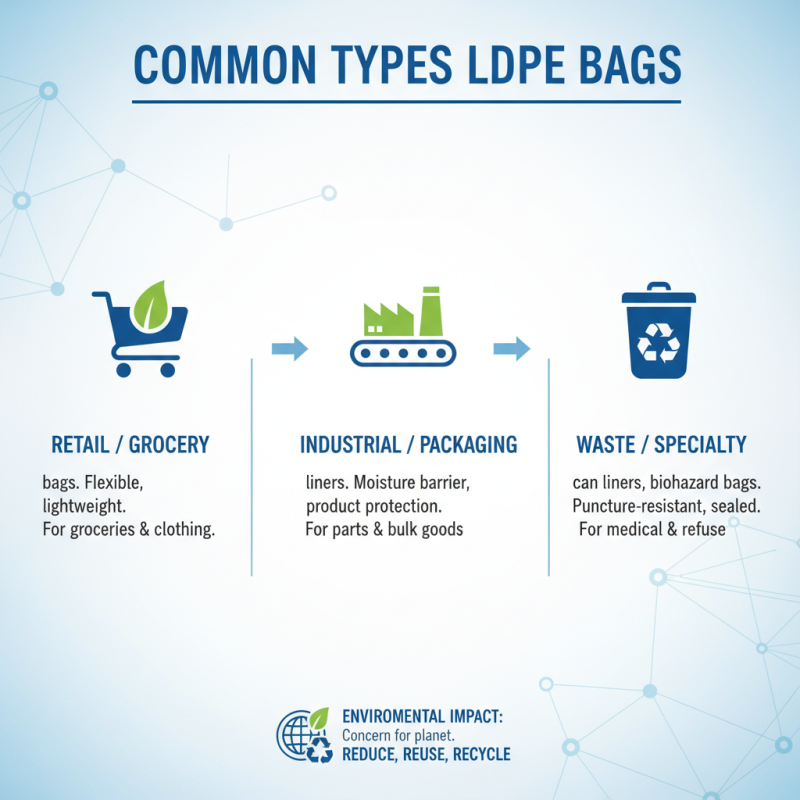
LDPE bags, made from low-density polyethylene, are popular in many industries. They are appreciated for their flexibility and durability. In retail, LDPE bags often serve as shopping bags. They can easily carry groceries, clothing, and other items. The lightweight nature of these bags makes them transport-friendly. However, their environmental impact is a growing concern.
In packaging, LDPE bags are widely used for food items. They provide a reliable barrier against moisture and dirt. Many bakeries and delis rely on them for bread and fresh produce. Still, the challenge lies in recycling them properly. Many consumers may not understand how to dispose of these bags correctly. This lack of awareness can lead to increased plastic waste.
Another use is in the industrial sector. LDPE bags protect products during shipping and handling. They can hold everything from screws to large machinery parts. This versatility showcases how LDPE bags can meet various needs. Yet, companies should evaluate whether they are using these bags sustainably. Exploring alternatives could lead to better environmental practices. Balancing convenience with eco-friendliness remains a challenge for many industries.
Choosing the Right LDPE Bag for Your Packaging Needs
Choosing the right LDPE bag for your packaging needs is crucial.
LDPE, or low-density polyethylene, is a popular choice. It is flexible, durable, and resistant to moisture.
According to industry reports, the global LDPE market is expected to grow substantially, driven by its versatility in packaging applications.
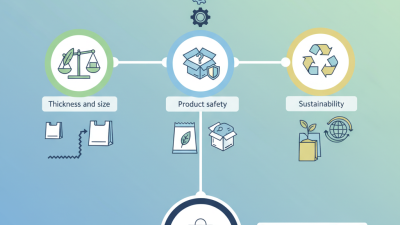
When selecting an LDPE bag, consider thickness and size.
Thicker bags offer better protection and durability. Sizes vary, so choose one that fits your product well.
As a reference, bags thicker than 4 mil are often preferred for heavier items.
Always reflect on whether your chosen size truly meets your requirements.
Tips: Always test your chosen LDPE bag with your products before large-scale use.
It helps to identify issues early. Remember, the aesthetics matter too. Transparent bags showcase contents well.
However, keep in mind that not all bags fit every product perfectly.
Slight misalignments can lead to packaging damage.
Thoughtful selection is key to avoid wastage.
Sustainability Considerations in LDPE Bag Production and Use
The conversation around LDPE bag production often brings sustainability to the forefront. Low-Density Polyethylene (LDPE) bags are versatile, but their environmental impact is a growing concern. Production of these bags typically involves fossil fuels, which raises questions about their carbon footprint. Additionally, the recycling rates for LDPE remain low compared to other materials. Many consumers are unaware of this issue.
Recycling LDPE is not as straightforward as one might think. While some areas have access to dedicated recycling programs, the infrastructure is lacking in many regions. This inconsistency creates challenges. Unsurprisingly, many LDPE bags end up in landfills, where they take years to break down. The reality is stark; our approaches and systems require substantial improvement.
Moreover, LDPE bags are often used just once. This leads to a culture of disposability, which contradicts sustainability ideals. People may opt for convenience rather than mindful choices. Education about the limitations of these bags is essential. Encouraging reusable options could lead to significant change. With awareness and action, we can navigate the complexities of LDPE bag usage and its broader implications.
Future Trends in LDPE Packaging Solutions and Innovations
The landscape of LDPE packaging is rapidly evolving. A recent industry report indicates that the demand for LDPE bags will surpass 6 million tons by 2025. This growth reflects a shift in consumer preferences toward lighter and flexible materials. Innovations in LDPE packaging are driving sustainability efforts, with recycled LDPE now becoming a viable option for manufacturers.
Future trends show the integration of technology in LDPE packaging solutions. Smart packaging, featuring sensors and indicators, is gaining traction. These advancements enhance product freshness and offer consumers more information. However, the industry faces challenges, such as the need for efficient recycling processes. Many facilities still struggle with separating LDPE from other materials.
In addition, there is the increasing awareness about plastic waste. Many consumers are becoming more environmentally conscious and favor brands that use sustainable packaging. Data shows that over 60% of consumers are willing to pay more for eco-friendly options. While progress is being made, the journey towards fully sustainable LDPE solutions is still long. There are numerous areas that require improvement and reflection.
Best LDPE Bag Types for Packaging Solutions