How to Choose the Best Eva Foam Sheet for Your Project?
When embarking on a craft or construction project, selecting the right material is crucial. The Eva Foam Sheet has gained popularity for its versatility and ease of use. However, with many options available, how do you decide which one suits your needs best? Understanding the various qualities of Eva Foam is essential.
Different projects require different characteristics in foam sheets. You may need thickness for cushioning or specific colors for aesthetics. Reflect on what you need before making a choice. Not every Eva Foam Sheet will meet your expectations. Consider the weight, density, and durability of the foam—these factors significantly influence performance.
Choosing the right Eva Foam Sheet can transform your project. Take your time and research thoroughly. There is no one-size-fits-all answer, and what works for one task may not suit another. Weigh your options carefully, and remember that the right choice can make a significant difference.
Understanding Eva Foam Sheets and Their Properties
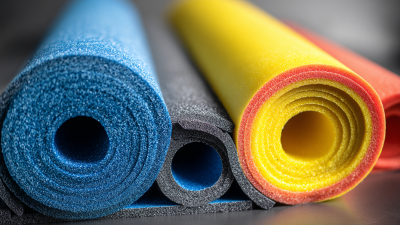
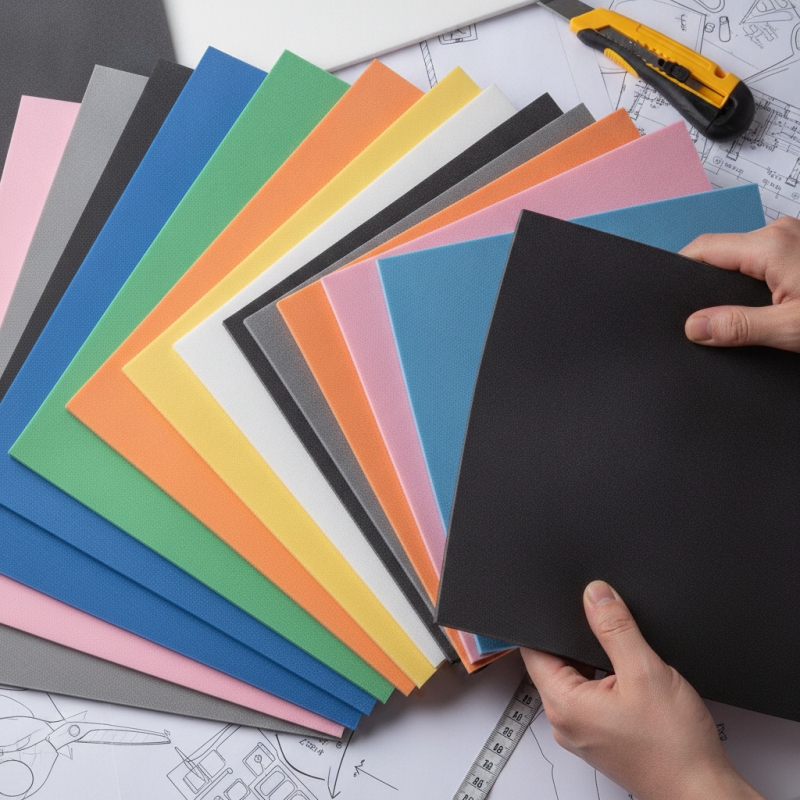
EVA foam sheets are a versatile material with many applications. They are made from ethylene-vinyl acetate, giving them unique properties. These sheets are lightweight, flexible, and resistant to UV radiation, making them suitable for indoor and outdoor projects. The foamy texture offers a cushion effect, which is beneficial in various designs.
When selecting EVA foam, consider its density and thickness. Dense sheets provide better support and durability, while thinner sheets are excellent for flexibility. The feel of the foam can also vary. Some may have a smoother finish, while others might be more textured. Ensure to test different samples to find what suits your needs best.
Before making a decision, reflect on the specific requirements of your project. Think about the environment in which the foam will be used. Will it be exposed to moisture or extreme temperatures? These factors will impact the longevity of your foam. Don't rush the process; take time to analyze each property and how it aligns with your project's goals.
Identifying Your Project Requirements and Specifications
When selecting the right Eva foam sheet for your project, it's crucial to identify your specific requirements. Consider the thickness, density, and hardness. For instance, a typical density rating ranges from 25 to 60 kg/m³. A lower density is more flexible, while a higher density offers better durability. These characteristics will impact how your foam performs in various applications.
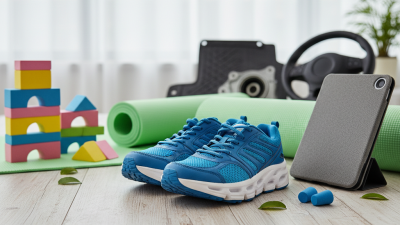
Highlighting the intended use helps narrow down choices. Will it be used in sports gear, craft projects, or packaging? Each application has different demands. For instance, a project requiring impact absorption might benefit from EVA foam with a higher density. Understanding the project's primary functions will save time and resources.
Tip: Always request samples before making a bulk purchase. This allows you to test the foam's performance firsthand. Additionally, user reviews can provide insights into real-world applications. Analyzing these can inform your decision.
When evaluating options, take total project costs into account. Cheaper materials may not always yield long-lasting results. Quality should never be compromised for price. Balancing cost and performance is key.
How to Choose the Best Eva Foam Sheet for Your Project?
| Project Type |
Thickness (mm) |
Density (kg/m³) |
Color Options |
Applications |
| Craft Projects |
3 |
25 |
Pink, Blue, Yellow |
Model making, Decorations |
| Fitness Equipment |
10 |
80 |
Black, Gray, Red |
Yoga mats, Floor mats |
| Soundproofing |
5 |
50 |
Dark Green, Grey |
Acoustic panels, Studios |
| Protective Gear |
15 |
70 |
Blue, Orange, Yellow |
Padding for helmets, Guards |
| Flooring Solutions |
8 |
60 |
Natural Wood, Stone |
Dance floors, Children's play areas |
Evaluating Thickness, Density, and Durability of Eva Foam
When choosing EVA foam sheets, thickness, density, and durability play crucial roles in your project's success.
Thickness affects the foam's cushioning ability. Thicker sheets provide more support, but they can also be bulkier.
Consider the purpose of your project. For floor mats, a thicker sheet might be beneficial. However, for craft projects, a thinner sheet may suffice.
Density is another key factor. Higher density EVA foam offers greater durability and support, making it ideal for applications like padding and insulation.
A low-density option may be more flexible but can wear down faster. Evaluate how much wear and tear your foam will face.
Tips: Always test a small piece first. This allows you to assess the foam’s feel and flexibility. Check for any unpleasant odors, as low-quality EVA can emit fumes.
Remember, not all foam is created equal. Consider how the material interacts with your tools and environment.
Make an informed decision based on these factors, and your project will benefit from the right EVA foam choice.
Exploring Color Options and Aesthetic Considerations
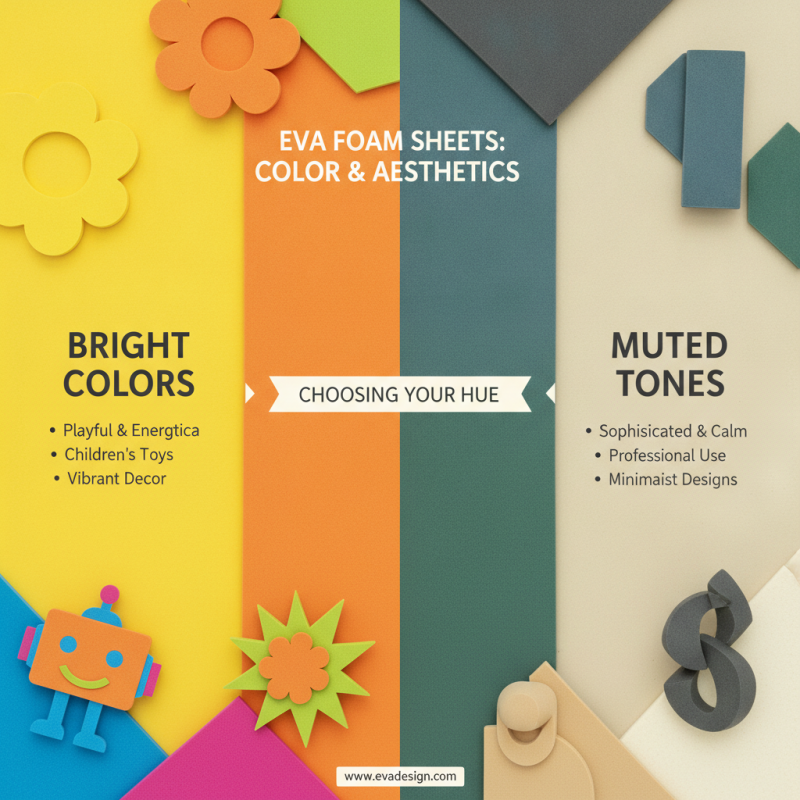
When choosing Eva foam sheets, color options play a significant role. The hue of the foam can affect the overall look and feel of your project. Bright colors can create a playful and energetic atmosphere, ideal for children's toys or vibrant home decor. In contrast, muted tones can lend a more sophisticated air, making them suitable for professional environments or minimalist designs.
Aesthetic considerations go beyond color. Texture and finish also matter. Some Eva foam sheets have a glossy finish, while others are matte. A glossy finish can make colors appear more vivid, while matte surfaces often provide a softer, more subdued palette. Think about how these elements interact with light. Reflective surfaces can create interesting visual effects, but they might not be ideal for every project.
While selecting colors and textures, consider the end use. Will the foam be exposed to sunlight? Certain colors can fade over time, losing their vibrancy. Additionally, think about how colors harmonize with one another. A bold combination can be striking, but poorly matched colors can clash, leading to an unappealing result. Reflecting on these choices during the design process can elevate your project from ordinary to exceptional.
Comparing Cost and Supplier Options for Eva Foam Sheets
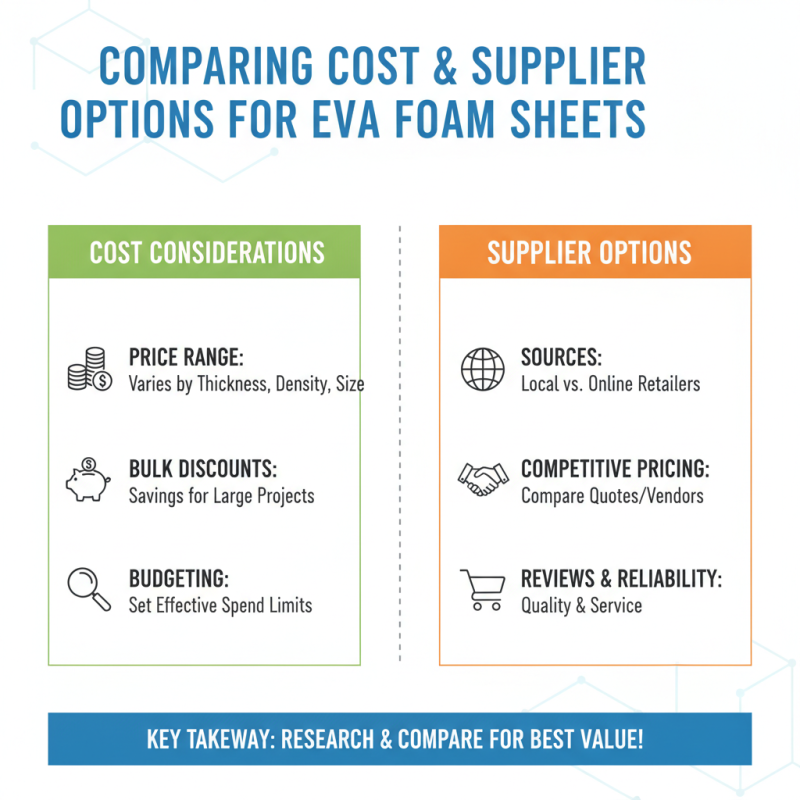
When selecting EVA foam sheets, cost and supplier options are critical. Understanding the price range helps you budget effectively. Prices can vary based on thickness, density, and size. Some suppliers offer bulk discounts, which can be beneficial for large projects. Compare different sources to find the most competitive pricing.
Tips: Always request samples before purchase. This allows you to evaluate the foam's quality. Check if the supplier provides detailed specifications. It’s essential to know the material’s properties to determine its suitability for your project.
Supplier reliability is vital. Research customer reviews to assess their reputation. A trustworthy supplier will offer consistent quality and timely delivery. Investigate their return policy too. It can be a safety net if the foam doesn’t meet your expectations. Remember, choosing the right supplier can significantly impact your project's success. Don't rush; take the time to find the best fit.