How to Choose the Best Aluminum Resealable Bags for Your Needs?
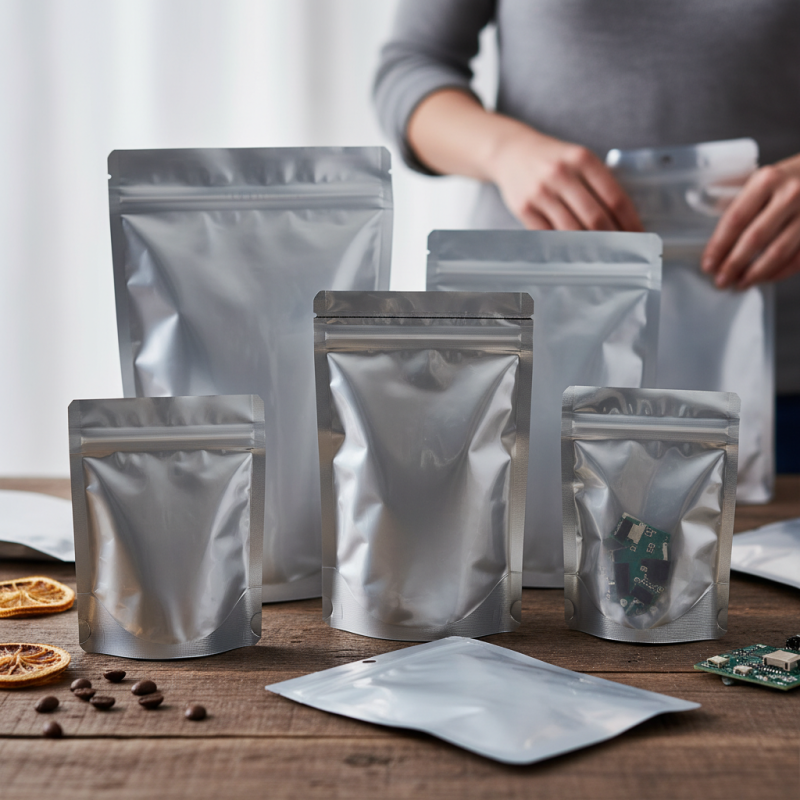
Choosing the best aluminum resealable bags can be challenging. John Smith, an expert in packaging solutions, notes, “Quality in material selection is crucial for functionality.” Aluminum resealable bags offer protection against moisture, light, and air. They are widely used in food storage and product packaging.
When selecting these bags, consider your specific needs. Think about size, sealing mechanism, and durability. Different brands may offer various features. Some bags may not seal tightly, allowing air to enter. This can compromise the contents. Be cautious and invest time in research.
Reevaluating your options can be enlightening. Not every aluminum resealable bag is created equal. Pay attention to user reviews and expert recommendations. Your choice can affect both preservation and convenience. Choose wisely to ensure optimal performance.
Understanding the Benefits of Aluminum Resealable Bags
Aluminum resealable bags offer substantial benefits for various storage needs. One major advantage is their ability to preserve freshness. These bags create a barrier against moisture, light, and air, which can spoil products. Imagine storing snacks or herbs in these bags. The difference in taste and aroma can be striking. You’ll find that items stay flavorful for longer.
Moreover, aluminum bags are lightweight yet sturdy. This combination makes them ideal for both packaging and transport. If you run a small business, these bags can enhance your product presentation. Customers often appreciate good packaging. However, it’s crucial to select the right bag thickness. Thinner bags might not provide the same protection over time. This factor requires consideration when choosing.
Sustainability is another point to reflect on. Aluminum is recyclable, making these bags a greener option compared to plastic. However, not all consumers recycle effectively. It’s important to educate your audience about disposal methods. While aluminum bags serve a purpose, their life cycle should be part of your evaluation. Balancing convenience with environmental impact is a worthwhile consideration.
Identifying Your Storage Needs and Preferences
When selecting aluminum resealable bags, it’s crucial to identify your specific storage needs and preferences. Consider what items you plan to store. Food items require food-grade materials that protect freshness. For non-food items, durability may be your priority. Think about size requirements too. A larger bag is not always better if space is limited.
Tip: Measure your items before purchasing bags. This will ensure you choose bags that fit well. Misjudging sizes can lead to wasted space or damage to your items.
Assessing the sealing mechanism is also essential. Some bags have zip locks, while others feature heat seals. Both types offer different advantages, so choose based on ease of use and reliability. A bag that fails to seal properly can lead to spoilage or contamination.
Tip: Experiment with different sealing methods. This can help you determine what works best for you. Take note of any flaws in the sealing process you may encounter; understanding these details can enhance your experience.
Evaluating Material Quality and Thickness in Aluminum Bags
When selecting aluminum resealable bags, material quality and thickness play crucial roles.
High-quality aluminum provides better barrier protection. It keeps out moisture, air, and light. This ensures your products stay fresh longer.
A thicker gauge often means better durability. It prevents tears and punctures, which can compromise your items.
Tips: Check the bag's specifications. Look for thickness ratings, often measured in microns. A thickness of at least 100 microns is ideal for most needs.
Consider the intended use. For heavy or sharp items, select a thicker option.
Some users may think any aluminum bag will suffice. However, the differences in quality can be subtle yet significant.
A thinner bag might not offer adequate protection for perishable goods. Test a sample if possible.
Compare how different thicknesses handle your items. You might discover that what seems convenient now could lead to spoilage later.
Quality should never be overlooked.
Exploring Closure Options for Optimal Resealability
When choosing the best aluminum resealable bags, closure options play a crucial role in ensuring optimal resealability. There are various types, each with distinct benefits.
Zipper closures are popular because they provide a secure seal and are easy to use. They allow for quick access while maintaining freshness.
Another option is the press-to-seal type, which offers a reliable barrier against air and moisture. These can be a bit tricky at first, so practice makes perfect.
The effectiveness of a closure can impact the product inside. For example, air exposure can lead to spoilage. Additionally, consider how often you will open and close the bag.
Frequent use may wear out certain types faster than others. Experimenting with different closures can help you determine what works best for your specific needs.
Not all resealable bags perform equally. Some may lose their ability to seal after multiple uses. Reflecting on past experiences can help identify the right choice.
Track any changes in the condition of your products as you try different bags. Your preferences may evolve, but testing various options is key to finding a reliable solution.
Comparing Sizes and Shapes for Different Applications
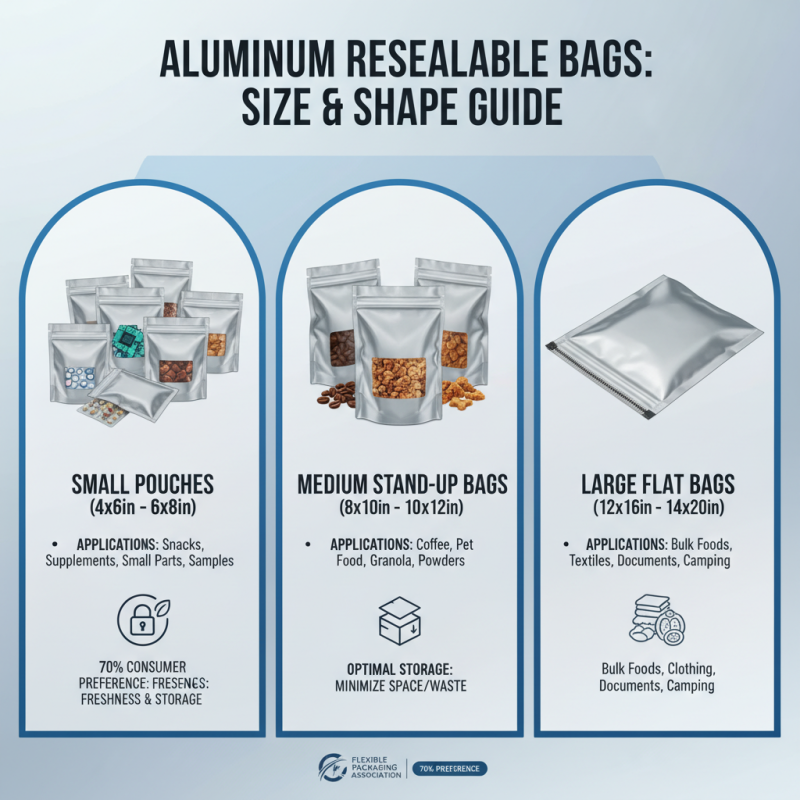
Choosing the right aluminum resealable bags involves understanding their size and shape based on your specific needs. Different applications require distinct dimensions. For instance, a study by the Flexible Packaging Association indicates that 70% of consumers prefer bags that maintain product freshness while being easy to store. Selecting bags that fit your items snugly can minimize space and waste.
When considering sizes, think about the quantity of the product. Smaller bags work well for single servings or samples, while larger ones are ideal for bulk storage. A report from Smithers Pira highlights that flexible packaging market growth is driven by convenience. Thus, innovative shapes, like stand-up pouches, can enhance visibility on shelves and boost sales.
Tips: Evaluate your product volume and common pack sizes before making a decision. Also, consider the seal strength; it’s crucial for preserving the contents. Reflect on how you store your products. Bags with a zipper-style closure can sometimes lose their seal over time. Test before committing to larger orders. Choose wisely to align with your brand's sustainability goals.