How to Choose the Best Eva Foam for Your Projects?
Choosing the right Eva Foam for your projects can seem daunting. With various types and qualities available, making an informed decision is essential. Eva Foam is known for its versatility and durability. Whether you are crafting, creating costumes, or flooring, the right foam can elevate your work.
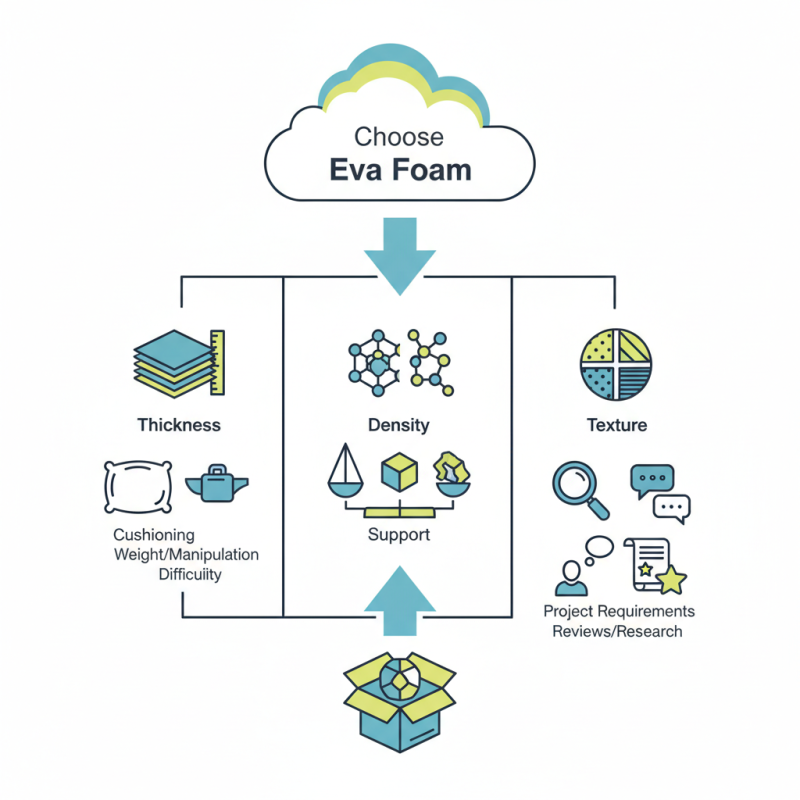
Many factors come into play when selecting Eva Foam. Thickness, density, and texture are key considerations. For example, thicker foam may provide better cushioning but can be heavier and more challenging to manipulate. On the other hand, thinner options might lack support. Understanding your project’s requirements will guide your choice.
Researching brands and their offerings is crucial. Not all Eva Foam is created equal. Some may wear out quickly, while others last much longer. Customers often share their experiences online. Reading these reviews can uncover valuable insights. Not everyone will find their perfect match on the first try. This journey of exploration can lead to significant learning and improvement in your project outcomes.
Understanding EVA Foam: Properties and Applications
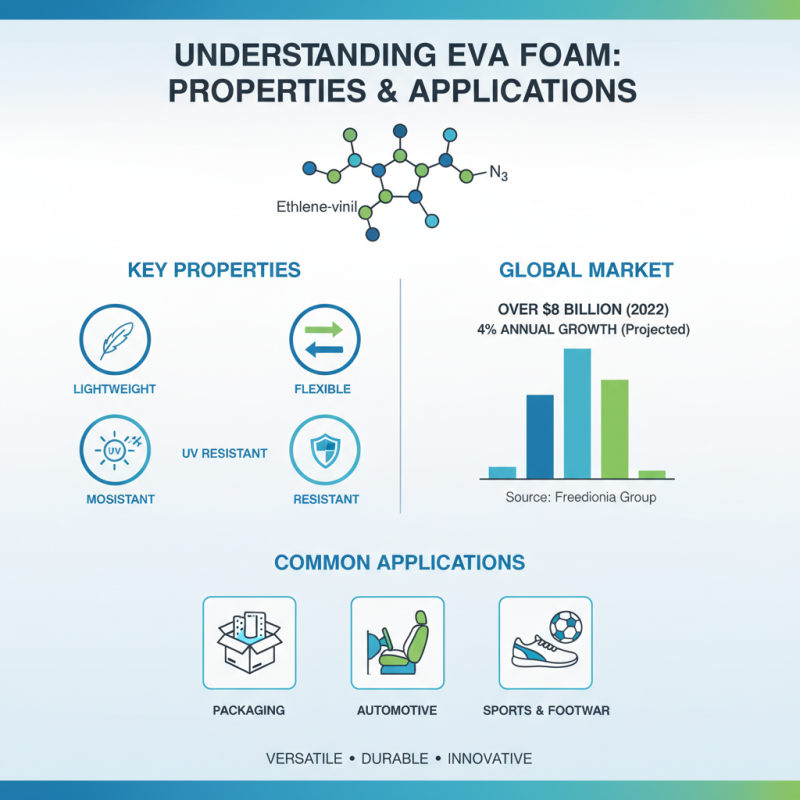
EVA foam, or ethylene-vinyl acetate, is known for its versatility and excellent properties. It is lightweight, flexible, and resistant to UV rays and moisture. According to a report from the Freedonia Group, the global EVA market was valued at over $8 billion in 2022 and is projected to grow by 4% annually. These characteristics make EVA foam widely used in various industries, including packaging, automotive, and sports.
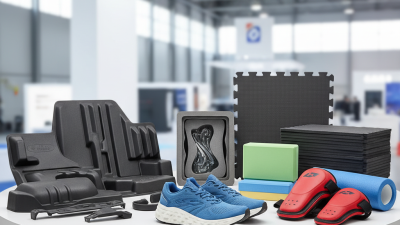
Applications of EVA foam are diverse. In the automotive sector, it provides sound insulation and cushioning. For sports equipment, it absorbs shock and enhances performance. The medical field also benefits from EVA foam due to its hypoallergenic properties and ease of sterilization. A study published in the Journal of Materials Science highlighted how EVA's low-temperature flexibility can improve product longevity.
While EVA foam is effective, it is essential to consider its limitations. It can degrade under extreme heat, which may affect the integrity of certain products. Furthermore, while EVA is generally considered safe, its production can involve chemicals that need careful handling. This complexity requires manufacturers to ensure quality control measures are in place to prevent potential issues. An informed choice in selecting EVA foam involves understanding these nuances, ensuring projects meet their specified needs efficiently.
Types of EVA Foam: Choosing Based on Project Requirements
When selecting EVA foam for different projects, the type you choose can greatly influence the outcome. EVA foam varies in density, color, and hardness. Higher density foams are ideal for applications requiring durability, like flooring or protective gear. A softer foam works better for padding in crafts or costumes. Understanding your project's specific needs is crucial for making the right choice.
Different projects demand different characteristics from EVA foam. For example, if you're creating artistic pieces, a variety of colors and patterns may be essential. However, if you're working on functional items like mats or shoe soles, focus on thickness and texture. Your selection impacts not just aesthetics but also usability and longevity.
Often, people overlook the importance of testing foam samples before committing. It's a simple step that can save time and resources. Sometimes, the best foam for your vision may not be what you initially expected. Feel free to experiment with different formulations. This trial-and-error process leads to more informed decisions in the long run.
Factors to Consider When Selecting EVA Foam for Your Project
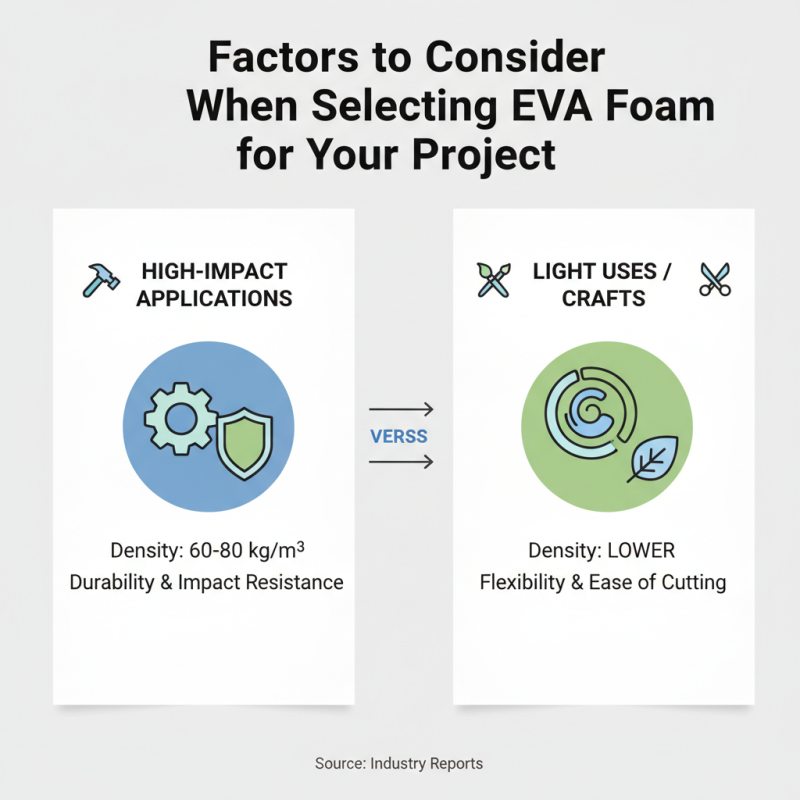
When selecting EVA foam for your project, consider several critical factors. The foam density is vital. Higher density EVA foam provides greater durability and impact resistance. According to industry reports, a density of 60-80 kg/m³ is ideal for high-impact applications. On the other hand, lower density foam is more suitable for light uses, like craft projects.
Consider the thickness of the foam as well. A thickness of 6-12 mm is commonly used for cosplay and padding applications. However, for flooring solutions, thicker foam (up to 25 mm) is recommended for better shock absorption. The color options can also impact aesthetics. Many projects require specific colors to match a theme or brand, so choose foam that offers a range of colors.
Pay attention to the foam's flexibility and resilience. Some EVA foams can be rigid, which affects their usability. A flexible foam allows for better manipulation in creative projects. Research indicates that foams with a Shore A hardness of 30-50 are often the most versatile. This means they can bend without breaking, providing more creative options. While these factors are crucial, each project will have unique needs. Always evaluate your specific requirements before making a final choice.
Comparing EVA Foam to Alternative Materials in Crafting
When comparing EVA foam to alternative materials in crafting, a few key factors come into play. EVA foam is known for its lightweight nature and flexibility. Many crafters prefer EVA due to its high durability. Reports indicate EVA foam can withstand stresses that may cause traditional foam to tear or wear out. Crafting projects often benefit from these robust characteristics.
In contrast, materials like polyethylene foam may be less flexible and can break down more quickly. According to industry research, EVA foam offers a higher resilience rate in various temperature ranges. Crafting with EVA foam allows for intricate designs without sacrificing strength. However, achieving the perfect finish can sometimes challenge inexperienced users.
Using EVA over traditional craft materials, like cardboard or paper, can elevate projects but requires careful handling. Not all colors and textures in EVA foam might satisfy every project’s aesthetic needs. Some crafters find themselves needing additional treatments to achieve the desired look. While EVA foam presents numerous advantages, it may also require a learning curve for optimal usage.
Comparison of EVA Foam and Alternative Materials in Crafting
This chart compares the strength of different materials used in crafting, highlighting the versatility and durability of EVA Foam relative to its alternatives.
Where to Buy High-Quality EVA Foam for Your Projects
When looking to buy high-quality EVA foam, consider various sources. Specialty craft stores often carry a selection, but the quality can vary. Some online retailers provide detailed product descriptions and customer reviews. This feedback can guide your choices. Searching for retailers that specialize in materials for crafting or industrial use may yield better options.
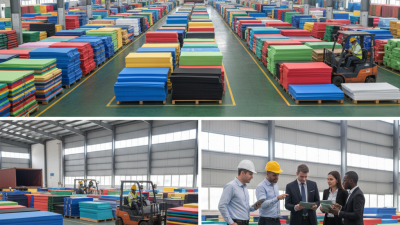
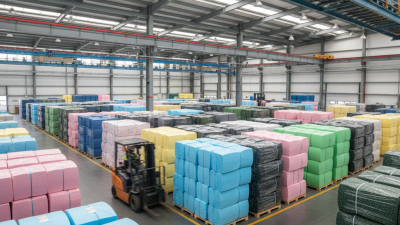
Buying in bulk can save money. Local suppliers sometimes offer bulk purchasing options, which can be advantageous for larger projects. However, always inspect any samples beforehand. You want to be sure of the foam's durability and flexibility. Some may find issues with density or finish, which are crucial for specific applications.
Trade shows can be excellent venues to explore different EVA foam products. Meeting suppliers allows for direct questions about materials. It's crucial to evaluate multiple options before making a purchase. Take time to assess the pros and cons of each source. The perfect foam for your project is out there; it just may take some effort to find it.