How to Choose the Best Eva Foam for Your Project?
Choosing the right Eva Foam for your project can significantly impact the outcome. Renowned industry expert John Smith, a specialist in foam materials, notes, "The choice of Eva Foam determines both function and aesthetics." His words encapsulate the importance of making informed decisions.
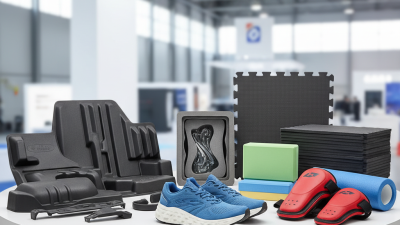
Eva Foam is widely used across various sectors, including sports, crafts, and packaging. It’s lightweight, durable, and versatile. However, the vast array of options available can be overwhelming. Different densities, colors, and thicknesses cater to unique needs. Knowing what to prioritize is crucial for success.
Experts recommend understanding your project requirements first. Consider the intended use and desired durability. Remember, not all Eva Foam is created equal; some may not withstand heavy impacts while others might lose color over time. Keep these factors in mind, as they can lead to costly mistakes. Reflect on your priorities to ensure the perfect fit for your specific needs.

Understanding EVA Foam: Materials and Properties
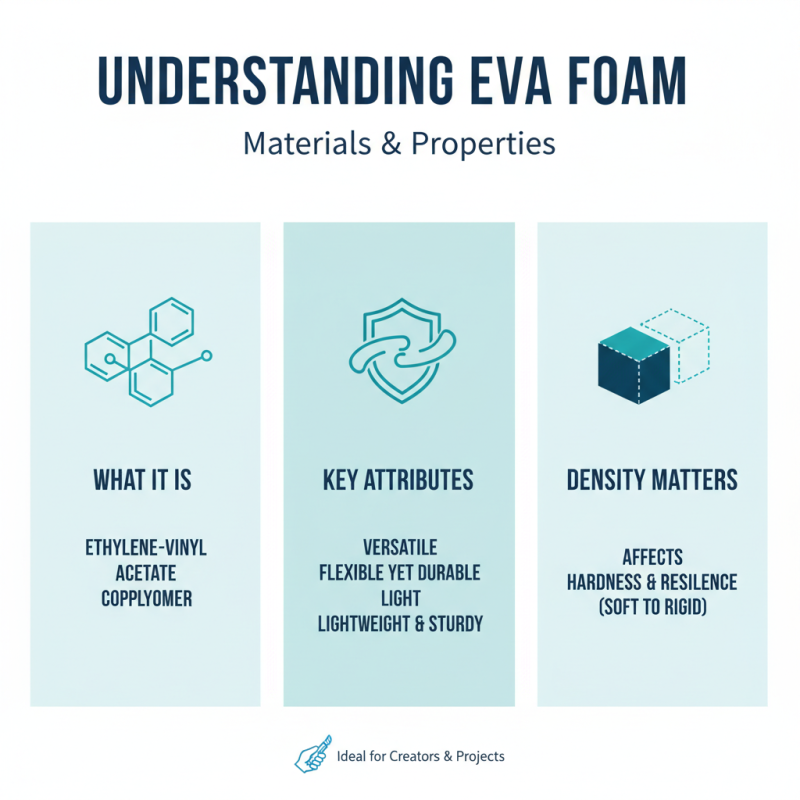
EVA foam, made from ethylene-vinyl acetate, is a popular material due to its versatility. It combines flexibility and durability, making it suitable for various projects. Understanding its properties is essential for any creator. EVA foam is lightweight yet sturdy, allowing easy handling and transportation. It comes in different densities, affecting its hardness and resilience.
One important aspect is the foam's closed-cell structure, which provides water resistance. This feature is beneficial for projects exposed to moisture, such as outdoor mats or aquatic gear. However, working with EVA foam can pose challenges. The material can be tricky to cut cleanly, and mistakes are common if you're not careful. Investing time in practice can improve your skills.
On the other hand, EVA foam is easy to shape with heat. This quality opens up creative possibilities. You can craft intricate designs or basic shapes, depending on your project. Nevertheless, it’s crucial to consider the final application. Different thicknesses may be needed for varying uses. Experimenting with samples can lead to better choices.
Types of EVA Foam: Which One Fits Your Project Needs?
When selecting EVA foam for projects, understanding its types is crucial. Different formulations offer distinct properties. For instance, closed-cell EVA foam provides excellent insulation and buoyancy. This makes it ideal for marine applications and athletic equipment. According to industry reports, about 40% of foam applications utilize closed-cell varieties due to their durability and water resistance.
On the other hand, open-cell EVA foam is softer and more flexible. It absorbs shock well, making it suitable for padding in bags and cases. A study showed that users prefer open-cell foam in situations where comfort is a priority, like in shoes and protective gear. However, its water absorption can be a drawback, leading to dampness over time.
Always consider the specific needs of your project. The density of EVA foam also plays a significant role. Higher density foams offer greater resilience and longevity, which are critical for high-wear applications. Yet, such foams may be costlier. Evaluating your project requirements alongside budget constraints is essential. A thoughtful approach will ensure that the chosen EVA foam aligns with your performance and cost expectations.
How to Choose the Best Eva Foam for Your Project? - Types of EVA Foam: Which One Fits Your Project Needs?
| Type of EVA Foam |
Density (kg/m³) |
Hardness (Shore A) |
Applications |
Colors Available |
| Soft EVA Foam |
25-40 |
25-35 |
Crafts, padding, insulation |
Pink, Blue, Yellow |
| Medium EVA Foam |
40-60 |
35-45 |
Shoe insoles, sports mats |
Black, Red, Green |
| High-Density EVA Foam |
60-100 |
45-60 |
Industrial pads, soundproofing |
Grey, White |
| EVA Foam with Adhesive |
30-50 |
30-40 |
Craft projects, custom shapes |
Assorted Colors |
| Anti-Static EVA Foam |
50-70 |
40-50 |
Electronics packaging, protective layers |
Black, Blue |
Evaluating Density and Hardness in EVA Foam Selection
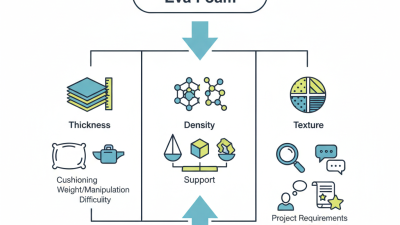
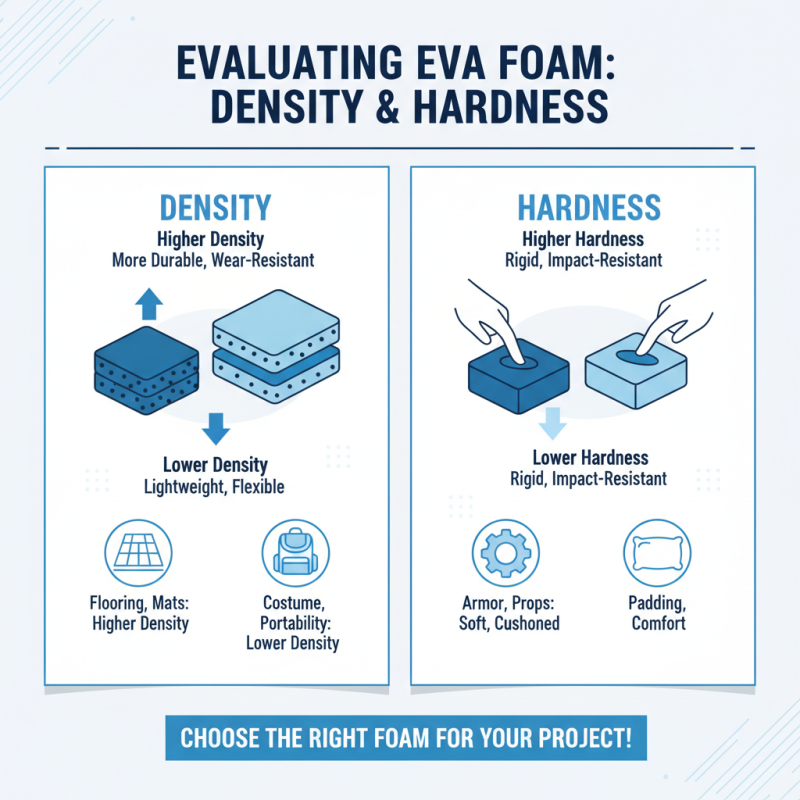
When selecting EVA foam for your project, evaluating density and hardness is crucial. Density determines how much material is packed into a given volume. A higher density foam is typically more durable and resistant to wear and tear. For applications like flooring, you might prefer a denser option. Conversely, lightweight projects may benefit from lower density foam, offering easy portability and flexibility.
Hardness, measured on the Shore scale, relates to how soft or firm the foam feels. Softer foams are comfortable and great for cushioning. But they can compress under heavy loads, which may not be ideal for all uses. Testing different hardness levels helps in finding the right balance for your specific needs. Working with samples can illuminate these subtle differences. Too often, designers overlook how the hardness affects performance.
It’s valuable to reflect on how your chosen foam performs over time. Many projects face unexpected challenges. For example, if the foam is too soft, it could lead to premature wear. A more rigid foam might work better than you expected, providing durability beyond initial projections. Always consider how changes in usage impact the foam's longevity and performance. The right density and hardness can radically influence your project's success.
Considerations for Color and Thickness in EVA Foam Choices
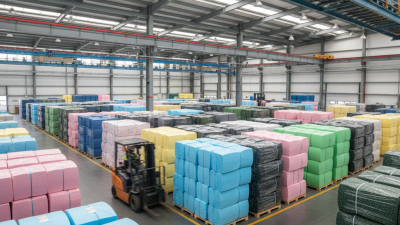
When selecting EVA foam for your project, color and thickness play crucial roles. Color choices can impact the overall aesthetic and functionality of your project. Bright colors attract attention, while darker shades may blend into their surroundings. Consider the mood you wish to convey. A vibrant color may inspire creativity, while muted tones can provide a professional look. Test various colors before making a final decision.
Thickness also significantly influences performance. Thicker foam offers more cushioning and durability, making it ideal for projects requiring impact resistance. However, it may add unwanted weight. Conversely, thinner foam is lighter and more flexible but may not provide enough support. Assess the specific needs of your project carefully. Experiment with samples to find the right balance. Stay open to adjustments during your selection process, as initial choices may not always meet expectations.
Choosing the Best EVA Foam for Your Project
This chart illustrates the thickness options and their popularity among makers selecting EVA foam for various projects, alongside their typical color preferences.
Sourcing Quality EVA Foam: Where to Buy and What to Look For
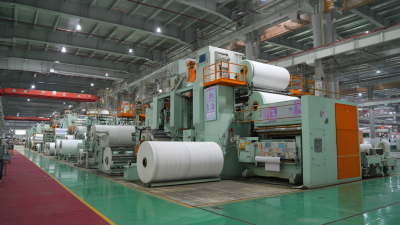
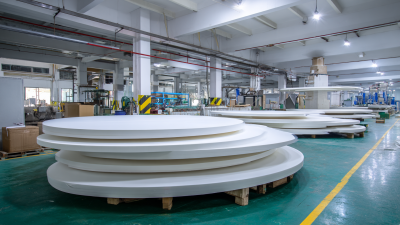
When sourcing quality EVA foam, location matters. Many manufacturers are based in regions with access to reliable suppliers. China and Southeast Asia lead in EVA production. According to industry reports, about 70% of global EVA foam comes from these areas. However, not all suppliers ensure high standards. You need to scrutinize their manufacturing processes and certifications.
Look for suppliers with a track record of quality. Check for ISO certifications. A reliable supplier should provide transparency about their materials. It’s essential to ensure that the EVA foam is free from harmful additives. Reviews and testimonials can often reveal red flags. Consider contacting past clients for insights on longevity and durability.
Quality does come at a cost. Prices can vary significantly. Some cheaper options may not hold up over time. Be wary of deals that seem too good to be true. Sometimes, lower-quality foam compromises safety or performance. A balance between cost and quality is crucial for a successful project. Approach your sourcing with an eye for detail and a commitment to reliability.