7 Tips for Choosing the Best Eva Foam Sheet
Choosing an Eva Foam Sheet is not just a matter of picking a color or thickness. The right sheet must suit its job, whether it cushions a shoe insert, protects equipment, or forms part of a craft project. Grand View Research’s analysis of the ethylene-vinyl acetate market tracks demand across applications such as footwear and packaging, where performance needs differ. That matters: a soft, lightweight sheet may feel comfortable but deform under repeated compression. A firmer grade may protect better, yet feel less flexible. Small differences matter.
A useful comparison starts with density, hardness, thickness, and cell structure. Then check compression recovery, water resistance, surface finish, and how easily the material can be cut or bonded. ASTM D3575 provides recognized test methods for flexible cellular materials made from olefin polymers; ask suppliers for relevant test results instead of relying on vague claims. A specification sheet helps, but it does not tell the whole story. The awkward part is that two sheets with similar labels can behave differently in actual use. Test a sample under realistic conditions, including pressure, moisture, and temperature changes. Not always convenient. These seven tips will help you compare grades, verify supplier information, and choose a sheet that fits both the application and the budget.
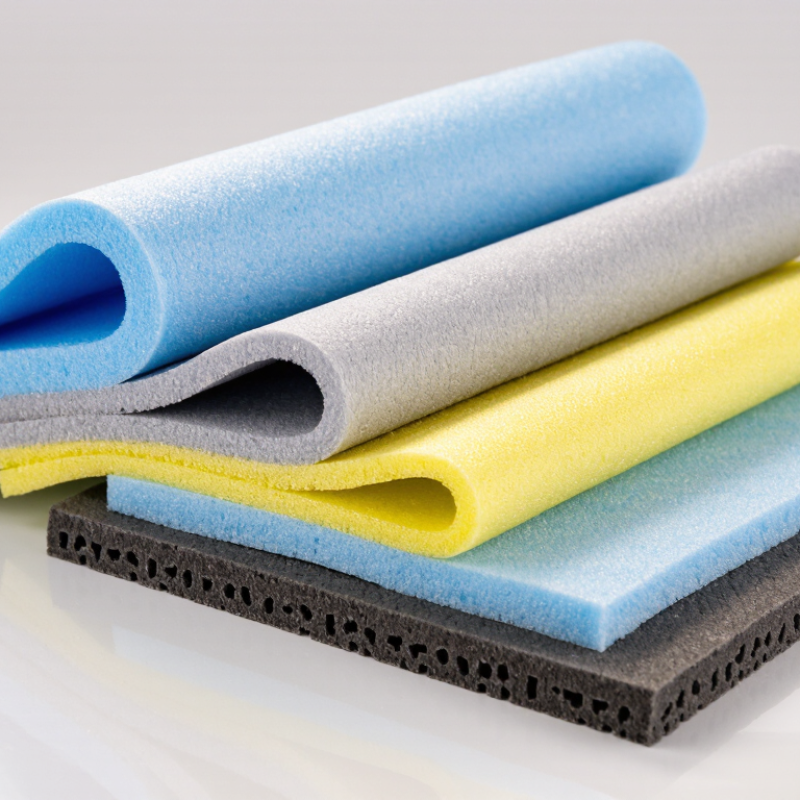
Identify the Intended Use and Required Performance
Choosing an EVA foam sheet starts with its job, not its color or price. A floor mat needs grip and resilience; a protective insert needs cushioning and a close fit. For outdoor use, check water absorption and whether repeated wetting changes the sheet’s shape. Fit matters. Measure the available space, including corners and grooves, before choosing thickness. A sheet that is too soft may bottom out under a concentrated load, such as a heel or tool handle. A very firm sheet can feel uncomfortable, even when it resists compression well.
Compare test results, not vague labels such as “high density.” ASTM D3575 provides standardized methods for testing flexible cellular materials made from olefin polymers, including compression resistance and compression set. Ask for a lot-specific test report showing density, thickness, and results under stated test conditions. A compression result is only useful when the load, deflection, and test method are clear. For cushioning, compare the force needed to compress samples by the same amount; for a spacer, check whether the foam recovers after prolonged loading. That trade-off matters. Higher firmness may support a load better but offer less comfort. I would also verify the actual sheet with a simple fit check: cut a small sample, press it against the intended surface, and note whether it rebounds or stays dented. Real-world handling can expose gaps that a specification sheet misses.
Compare EVA Foam Density, Thickness, and Firmness
Density, thickness, and firmness describe different aspects of an EVA foam sheet’s performance. Density is its mass per volume, often listed in kilograms per cubic metre. Higher density may improve durability, but it does not automatically mean a harder feel. Firmness is the resistance you notice when pressing or loading the sheet. Check the supplier’s test method, since firmness ratings can vary between methods. Compare like with like.
Thickness affects cushioning, insulation, and how neatly a sheet fits its space. A 10 mm sheet may bend around a case; a thicker one may hold its shape but take up more room. Consider the actual load: a knee pad, drawer liner, and craft insert need different compression behavior. Press a sample with your thumb, then place a familiar object on it for several minutes. Notice whether it bottoms out, rebounds, or keeps a visible dent. That quick check is useful, not a lab test. For a more reliable comparison, check samples with the same dimensions and under the same conditions. There is no perfect number. Temperature and sheet construction can also change the feel, so allow room for trial and error.
Evaluate Surface Texture, Color, and Fabrication Options
7 Tips for Choosing the Best EVA Foam Sheet
Evaluate Surface Texture, Color, and Fabrication Options
Examine the foam under the lighting you expect to use. A smooth sheet may suit clean-looking panels, while a textured surface can provide more grip. Check for uneven pores, dents, or rough edges. Small flaws become obvious on large pieces. Compare colors beside the materials they must match, not from memory. I would request a sample; screen colors can mislead.
Think about fabrication before choosing thickness or firmness. Some EVA sheets are easier to cut cleanly, while others may compress or fray at the edges. Confirm that the grade suits your planned process, such as hand cutting, die cutting, or forming. Test a small offcut first. Heat and pressure can change the finish, so follow supplier guidance and inspect the result.
Tips: Run a fingertip across the surface. Check color in daylight and indoor light. Make a trial cut. A sample can look perfect on a desk, yet feel too slick in use; that detail is easy to overlook.
Check Safety, Durability, and Environmental Requirements
Safety deserves more than a quick sniff or a supplier’s broad claim. Check the technical data sheet for the sheet’s intended use, composition, and relevant test results. If people will handle it often, ask about skin-contact suitability and any limits on heat exposure. A strong odor is not a reliable toxicity test. Ventilate new material and follow its handling guidance.
Durability depends on the job. Compare thickness and density, then press a sample and watch how well it returns to shape. Check whether its edges tear, crack, or compress under repeated use. Test it first. Try the actual cutting method, adhesive, or cleaning routine on a small piece; results can differ from a neat product description. A sample test takes time, but replacing a worn sheet takes more.
Environmental claims need specifics. Ask what recycled content means, whether it affects performance, and whether test documents support the claim. Also consider how long the sheet is expected to last and whether a local reuse or disposal option exists. “Eco-friendly” alone tells you little. Even a careful checklist can miss something: your workspace, temperature, and cleaning habits may change how the foam performs. Compare the documentation with the real conditions before ordering large quantities.
7 Tips for Choosing the Best EVA Foam Sheet
Check safety, durability, environmental requirements, and fit before you buy.
The bars count suggested evidence items in this checklist, not test scores or legal requirements. Ask for documentation for the exact foam grade and confirm it matches your intended use.