How to Choose the Best Pe Plastic Bag for Global Sourcing?
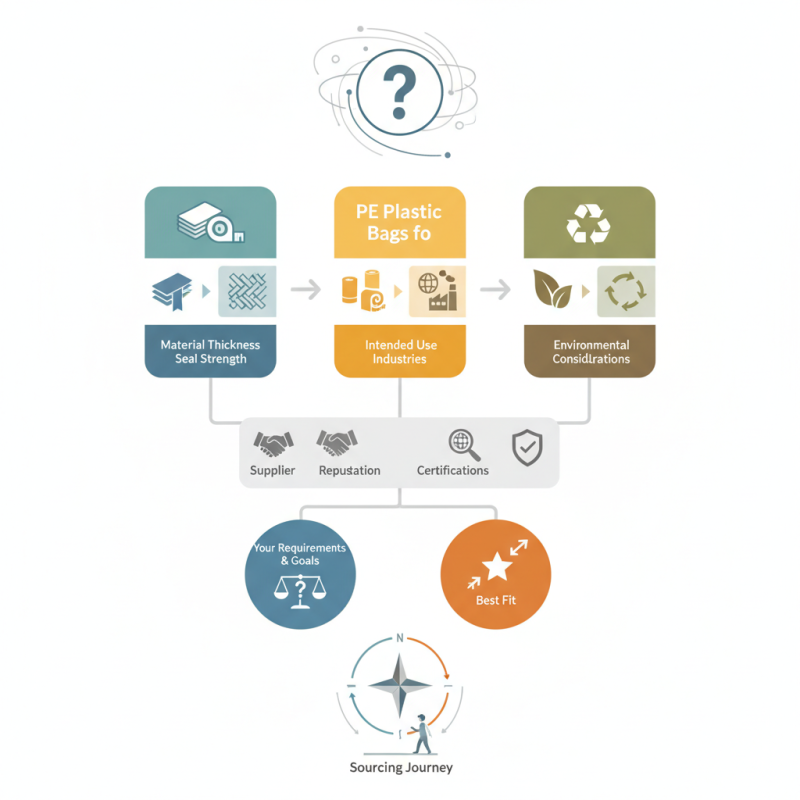
Selecting the right PE plastic bag can significantly impact your sourcing strategy. These bags are versatile, lightweight, and widely used across different industries. However, choosing the best one requires careful consideration of various factors. Key attributes include material thickness, seal strength, and intended use.
Many options are available, but not all PE plastic bags meet high-quality standards. It’s essential to evaluate suppliers based on their reputation and manufacturing processes. Look for companies with certifications to ensure reliability. The environment is another aspect to consider. Some PE plastic bags are recyclable, while others are not.
As you navigate these choices, remember that the perfect bag may not exist. It's about finding the best fit for your needs. Reflecting on your requirements and goals can help steer you in the right direction. Keep your priorities clear as you embark on this sourcing journey.
Understanding the Basics of PE Plastic Bags in Global Sourcing
When considering PE plastic bags for global sourcing, understanding their properties is essential. Polyethylene (PE) bags are widely used due to their durability and versatility. According to the Plastics Industry Association, the global demand for polyethylene is expected to reach 120 million tons by 2025. This statistic illustrates how critical these bags are in different industries.
PE plastic bags are classified into various types, such as low-density (LDPE) and high-density (HDPE). LDPE bags are flexible and resistant to cracking, making them suitable for packaging food products. In contrast, HDPE bags are stronger and used for heavier items. Companies should be aware of these differences when sourcing, as they impact both functionality and cost. Quality can vary among suppliers, leading to inconsistencies in performance.
Transparency is vital when sourcing these materials. It's important to assess manufacturers' certifications and sustainability practices. For instance, a study by the European Commission noted that about 85% of plastic waste in oceans is from single-use plastics. Sourcing responsibly can help mitigate environmental impact. Being diligent can be a learning curve; finding reliable suppliers is not always straightforward.
Identifying Key Specifications for PE Plastic Bags
Choosing the right PE plastic bag for global sourcing involves understanding specific key specifications. The thickness, measured in microns, plays a crucial role. For instance, a bag with a thickness of 50 microns offers enhanced durability compared to thinner options. Typically, thicker bags are more resistant to tearing and puncturing, making them ideal for heavy items.
Material type is another important specification. Low-density polyethylene (LDPE) is often chosen for its flexibility, while high-density polyethylene (HDPE) provides more rigidity. According to industry reports from the Plastics Industry Association, global demand for PE bags is expected to grow by 5% annually. This growth highlights the importance of selecting the right type for various applications.
**Tip**: Always request samples before finalizing orders. This allows you to test quality and suitability.
Look at the sealing and closure options as well. For instance, bags with zip locks offer better protection for contents. However, sourcing bags with poor sealing might lead to compromised safety in storage and transportation.
**Tip**: Consider environmental impact. Some manufacturers offer biodegradable options, which may align with sustainability goals.
Lastly, ensure compliance with international standards. Quality assurance certifications can indicate reliability. A focus on these specifications will lead to better sourcing decisions in the long run.
Evaluating Environmental Impact and Sustainability Concerns
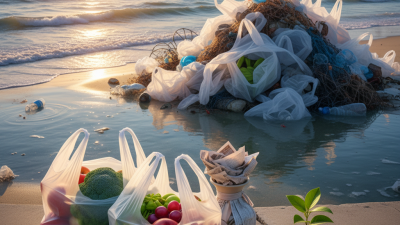
When evaluating environmental impact, consider the material of the PE plastic bag. Traditional plastic bags can take hundreds of years to decompose. Understanding the life cycle of a product is essential. This includes production, usage, and disposal phases. Make informed choices to minimize negative impacts on the planet.
Tips: Look for bags made from recycled materials. Some manufacturers offer options that use less energy in production. This can significantly reduce your carbon footprint.
Sustainability concerns go beyond just recycling. Consider how the bags are sourced and produced. Ethical production practices matter. Ensure that the manufacturers comply with environmental regulations. Transparency in sourcing creates trust. However, not all companies provide clear information, which can lead to confusion.
Tips: Ask for certifications that confirm eco-friendly practices. Engage with suppliers who prioritize sustainability. This approach can avoid misconceptions about product reliability.
Ultimately, it’s crucial to think critically about your choices. Not all PE plastic bags are created equal. Evaluating each option can lead you towards a more sustainable future. Choosing wisely can foster positive change, even if the journey has imperfections and uncertainties.
Environmental Impact of Different Pe Plastic Bags
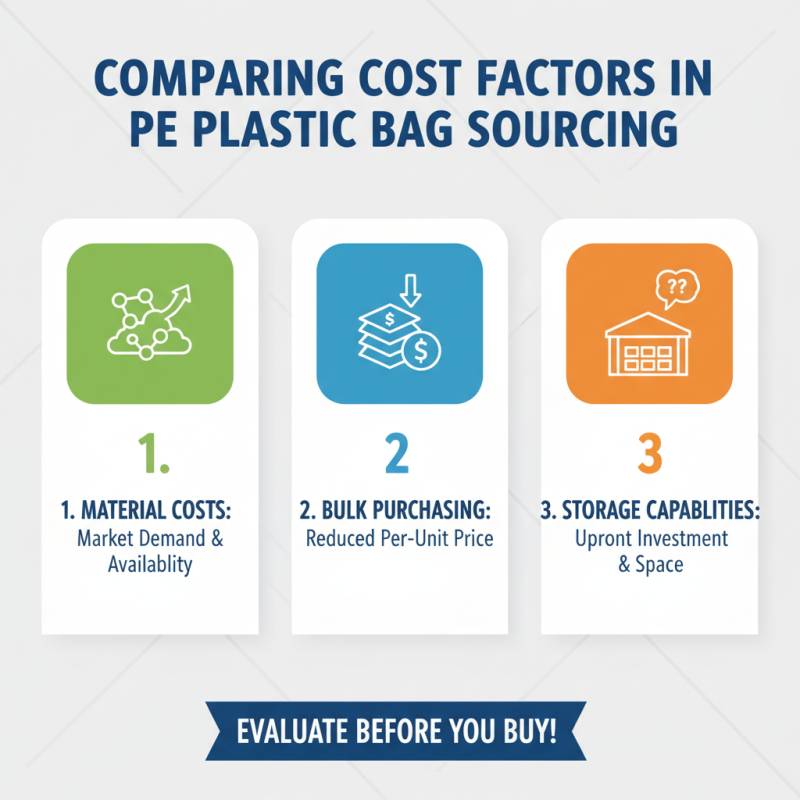
Comparing Cost Factors in PE Plastic Bag Sourcing
When sourcing PE plastic bags, cost is a key factor to consider. Various elements contribute to the overall expense. Material costs may fluctuate based on market demand and availability. Bulk purchasing can reduce per-unit prices, but it requires upfront investment. Always evaluate your storage capabilities before making large purchases.
Manufacturing processes also influence costs. Extrusion and printing technologies can vary significantly in price. A more advanced printing method enhances aesthetics but adds to the overall cost. It's crucial to balance quality with budget constraints. Sometimes, opting for simpler designs can help save money.
Logistics should not be overlooked. Shipping costs can quickly add up, especially for international orders. Choose suppliers with efficient distribution networks. Delays can lead to unexpected storage fees, impacting your overall budget. Compare quotes thoroughly and factor in all associated costs.
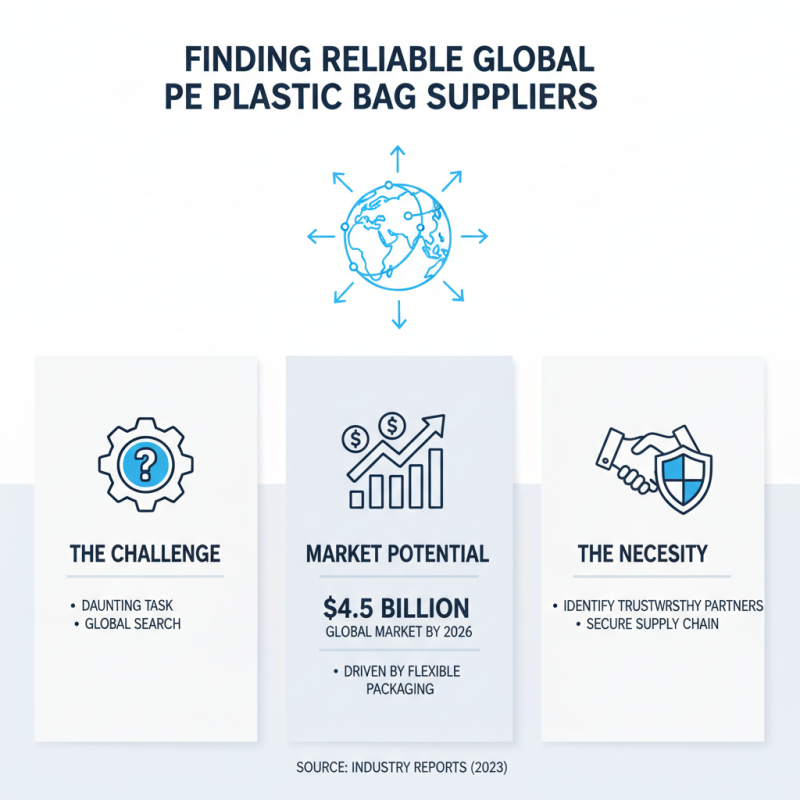
Finding Reliable Suppliers for PE Plastic Bags Worldwide
Finding reliable suppliers for PE plastic bags worldwide can be a daunting task. Industry reports indicate that the global plastic bag market is expected to reach $4.5 billion by 2026, driven by the demand for flexible packaging solutions. This highlights the immense potential and necessity to identify trustworthy suppliers.
When choosing suppliers, consider their production capabilities and quality control measures. A study by Transparency Market Research shows that 60% of sourcing issues arise from poor supplier communication. This suggests that maintaining open lines of communication is key. Additionally, vet suppliers based on their environmental compliance and product safety certifications. Unfortunately, not all suppliers prioritize sustainability, which could impact your brand’s reputation.
Low-cost options may seem appealing, but they often compromise quality. A report shows that 70% of companies faced issues with faulty products when sourcing from suppliers offering the lowest prices. Gathering feedback from other businesses can help in assessing the reliability of potential suppliers. Don’t overlook the importance of local regulations and standards, as these can vary significantly and impact your sourcing strategy.