How to Choose the Best Zip Bags for Your Needs?
Choosing the best Bags Zip for your needs can be daunting. With so many options available, it's easy to feel overwhelmed. Renowned storage expert John Mitchell once said, "The right zip bag can transform your organization game." This highlights the importance of making an informed choice.
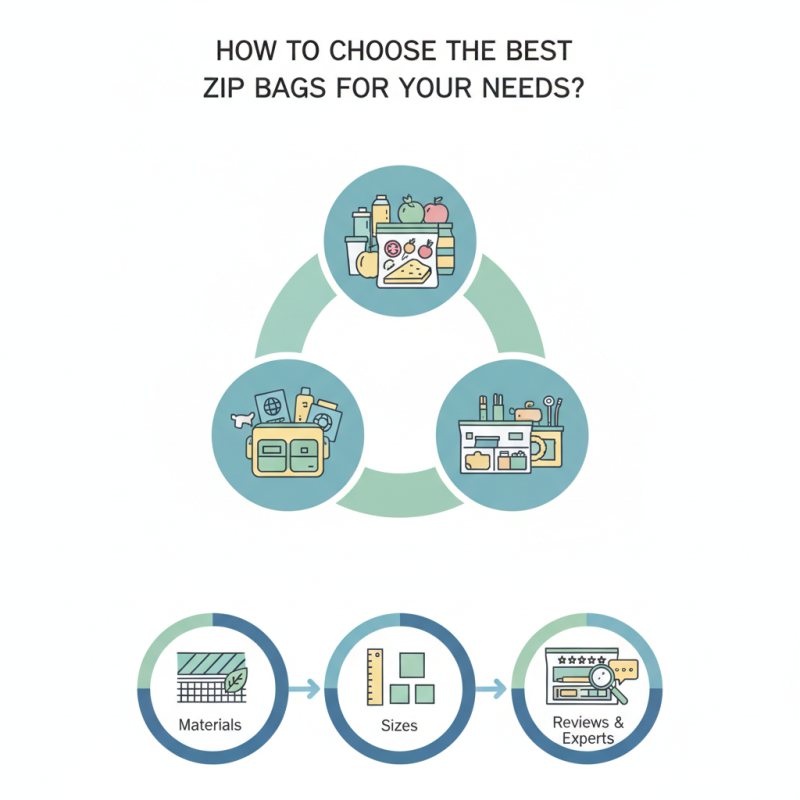
When selecting Bags Zip, consider your specific requirements. Are you using them for food storage, travel, or organization? Each purpose demands different features. For instance, resealable bags for food need to be airtight and durable. However, travel bags may require a sturdier design to withstand rough handling.
It's also essential to think about materials and sizes. Some products might seem appealing, but they may not be as effective as claimed. Look for customer reviews and expert opinions. Keep in mind, not all Bags Zip are created equal. Take time to research, and reflect on what truly fits your needs.
Understanding Different Types of Zip Bags and Their Uses
When selecting zip bags, it’s important to understand the different types available. There are various styles, including slider, zippered, and stand-up bags. Each type serves unique purposes. For instance, slider bags are easy to seal. They work well for wet items. Zippered bags are versatile and come in several sizes. They’re reliable for general storage needs.
Stand-up bags can hold liquids or snacks. Their design prevents spills, making them ideal for travel. If you plan to store food, consider thickness. Thicker bags offer better protection against air and moisture. It’s crucial to think about your intended use. Will you freeze items or need stackable storage?
Choosing the right bag can be tricky. Sometimes, one type may seem perfect but might not hold up under pressure. Experimenting with different bags may give better insight into what works. Keep in mind that not all zip bags are created equal. Testing and observation can provide valuable information for future purchases.
How to Choose the Best Zip Bags for Your Needs?
| Type of Zip Bag |
Material |
Size Range |
Best Uses |
Features |
| Standard Zip Bags |
Plastic |
Small to Large |
Food storage, organizing |
Rezipable, versatile |
| Freezer Bags |
Heavy-duty plastic |
Quart to Gallon |
Long-term food storage |
Thicker material, minimum frost buildup |
| Reusable Silicone Bags |
Silicone |
Various sizes |
Cooking, sous-vide |
Eco-friendly, microwave-safe |
| Vacuum Seal Bags |
Plastic |
Custom sizes |
Sous-vide, long-term food storage |
Air-tight seal, reduces spoilage |
| Snack Bags |
Plastic |
Small |
Portion control, pack lunches |
Compact size, easy to carry |
Factors to Consider When Choosing the Right Zip Bag Size
Choosing the right zip bag size can significantly impact your storage and organization needs.
Consider what you plan to store. For food items, larger bags may be necessary. Small items, like crafts or office supplies, can fit well in smaller bags. Think practically about your use case.
Tips: Measure your items before selecting a bag. It helps avoid guesswork. Don't get bags that are too big, as they may waste space and lead to clutter. Conversely, bags that are too small can tear easily and may not accommodate your items, leading to frustration.
Pay attention to the thickness of the bag. Thicker bags offer more durability, which is especially important for heavier items. It’s easy to assume all bags are created equal, but they are not. A flimsy bag can fail when you need it most. Reflect on past experiences to select better next time.
Evaluate how you will use the bags before buying. Consider their place in your daily routine. Sometimes, we rush the decision. Reassess what worked before. Avoid merely choosing based on visual appeal or price alone. Instead, focus on practical needs and long-term usage.
Material Options for Zip Bags: Pros and Cons Explained
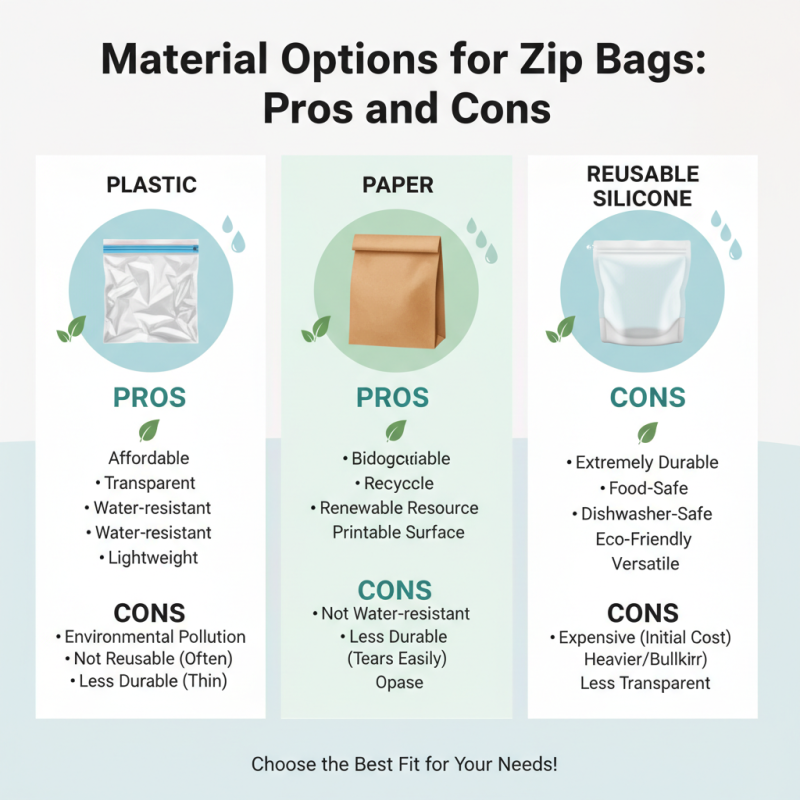
When selecting zip bags, material choice matters greatly. Common materials include plastic, paper, and reusable silicone. Each option comes with distinct advantages and disadvantages.
Plastic zip bags are popular for their convenience. They are lightweight and often resealable, making them ideal for short-term storage. However, they can contribute to plastic waste. Eco-conscious consumers might hesitate to choose this option, considering the environmental impact.
Paper bags offer a biodegradable alternative. They are sturdy and can handle various contents. Still, they may not provide a complete seal, leading to potential spills. This might cause frustration when transporting liquids. On the other hand, silicone bags are durable and can be reused many times. They withstand heat, making them suitable for sous-vide cooking. Yet, they come at a higher cost, which could deter budget-conscious shoppers.
Ultimately, the right zip bag depends on individual needs. Mixing and matching different materials might be a practical approach. Reflecting on the intended use can guide better choices.
Environmental Impact: Choosing Eco-Friendly Zip Bags
When selecting zip bags, the environmental impact is crucial. Traditional plastic bags often end up in landfills and oceans, contributing to pollution. The durability of these bags means they can take decades to decompose, which poses significant risks to wildlife and ecosystems.
Eco-friendly zip bags are becoming a popular alternative. Many are made from biodegradable materials. They break down more easily in the environment, reducing long-term waste. Reusable options also save resources and limit single-use plastic waste. Choosing bags made from recycled materials can minimize the demand for new plastic.
It's worth noting that not all eco-friendly bags perform the same. Some may not be as durable as conventional options. Others might not seal as well, leading to leaks. Therefore, consumers should carefully consider their specific needs. Testing different types can help identify the best balance between functionality and sustainability. Making informed choices requires looking beyond marketing claims and researching materials.
Budgeting for Zip Bags: Finding Quality within Your Price Range
When budgeting for zip bags, it’s essential to balance quality and cost. Less expensive bags may seem tempting, but they often lack durability. Investing slightly more can lead to better performance, especially for storage and organization. Quality bags reduce the risk of spills and leaks, saving money in the long run.
Tips: Consider bulk purchasing. Buying in larger quantities often lowers the price per unit. Check for sales or discounts, as these can enhance savings. Don’t overlook the material composition. A more robust material may increase initial costs but yield better results over time.
Being mindful of features is also key. Look for zip bags with strong seals. Weak seals can fail, leading to wasted food or messes. Assess the size you need; medium-sized bags might suffice for daily use. Reflect on your habits. Using the right size can reduce waste and save money.
Budgeting for Zip Bags: Finding Quality within Your Price Range