How to Choose the Right Pe Plastic Bag for Your Business?
Choosing the right Pe Plastic Bag for your business can be complex. John Smith, a renowned expert in packaging solutions, emphasizes, "The right bag makes all the difference." His insight reflects the importance of making informed choices.
Pe Plastic Bags come in various sizes and strengths. They are utilized across many industries, from retail to food services. Selecting the appropriate type is crucial. Businesses often overlook specific needs, leading to inefficiencies. For example, thicker bags are needed for heavy products. On the other hand, lightweight options suffice for smaller items.
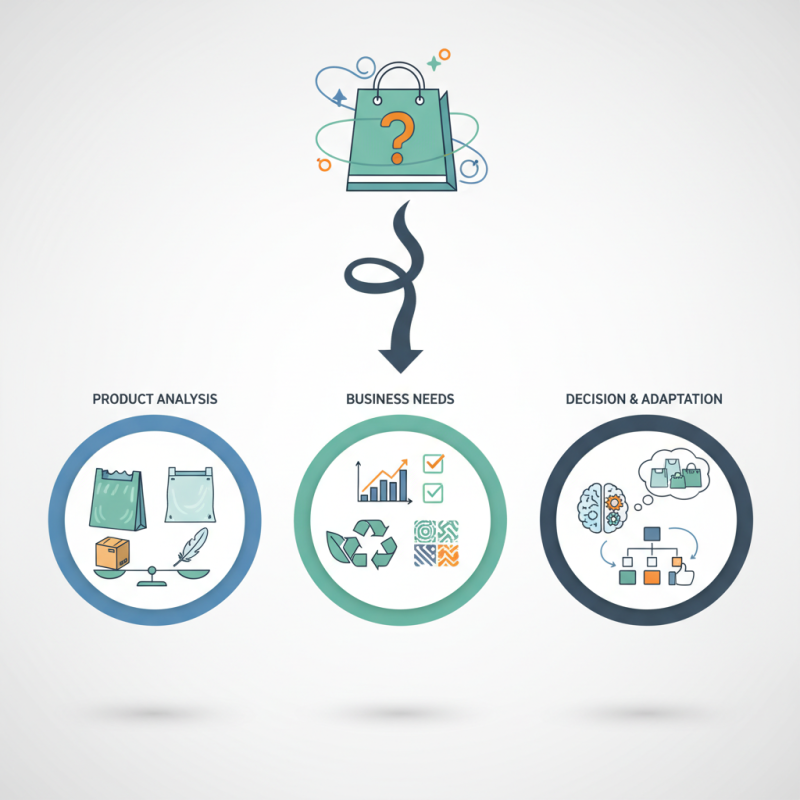
Understanding your products and customer preferences can guide your decision. Evaluate the bag's durability, design, and eco-friendliness. Reflect on what your brand represents and how it influences choices. Ultimately, choosing the right Pe Plastic Bag requires careful consideration and a bit of trial and error.
Understanding the Different Types of PE Plastic Bags Available
When choosing PE plastic bags for your business, understanding the different types available is crucial. Polyethylene (PE) bags are essential in various industries due to their versatility. They come in
low-density (LDPE),
high-density (HDPE),
and
linear low-density (LLDPE) variations.
LDPE bags are soft, flexible, and perfect for retail. In contrast,
HDPE bags are stronger and more rigid, making them suitable for grocery and industrial uses.
LLDPE offers a blend of flexibility and strength, which is ideal for heavy-duty applications.
Tips for selecting the right bag include considering the bag's thickness. Gauging the thickness in microns helps in determining its strength and durability. A 30-micron thickness suits most retail uses, while 50 microns or more is necessary for heavy goods. Additionally, consider the bag's size and shape. Custom sizing can optimize your packaging solution based on the product's dimensions. According to industry reports, over
80% of consumers prefer sustainable options. Choosing recyclable or biodegradable alternatives is becoming increasingly necessary.
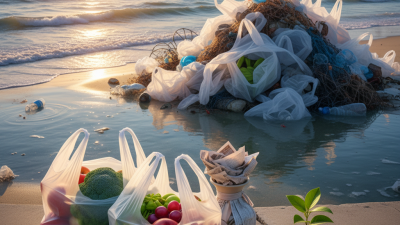
It's also important to reflect on the environmental impact of PE bags. Many businesses have faced challenges in transitioning to eco-friendly options. Some companies still rely heavily on traditional plastic bags, which can lead to negative perceptions. This highlights the need for continuous improvement and adaptation in packaging choices. Balancing cost,
functionality, and sustainability remains a challenge for many.
Assessing the Size and Thickness Requirements for Your Products
When selecting PE plastic bags for your products, understanding size and thickness is crucial. The right dimensions ensure that your items fit snugly without excess space. Consider the shape of your products: flat, bulky, or irregular. Each type may need different bag sizes. It’s vital to correctly measure your products before ordering bags.
Thickness also plays a significant role. Thicker bags often provide better durability, while thinner bags may be more cost-effective. However, a balance must be struck. If bags are too thin, they may tear easily, ruining the customer experience. But if they are too thick, clients may feel they are over-packaged.
Tips: Always order samples before a bulk purchase. Testing the bags with your products can prevent issues down the line. Consult with suppliers on their recommendations for specific product types. Remember, not all bags are created equal. Engage in discussions about the material properties, and reflect on shortages or surpluses during previous orders. This practice can improve future choices significantly.
How to Choose the Right Pe Plastic Bag for Your Business?
| Product Type |
Bag Size (W x H, inches) |
Thickness (Mil) |
Suitable For |
| Small Retail Item |
6 x 9 |
2 |
Jewelry, small gifts |
| Medium Retail Item |
12 x 15 |
3 |
Clothing, accessories |
| Large Retail Item |
18 x 24 |
4 |
Footwear, large gifts |
| Grocery/Bulk Items |
20 x 30 |
3 |
Groceries, bulk items |
| Industrial Use |
24 x 36 |
6 |
Tools, equipment parts |
Evaluating Environmental Impact and Sustainability Options
When evaluating the environmental impact of PE plastic bags, it's crucial to consider their production, usage, and disposal. The production of PE bags involves fossil fuels, leading to significant carbon emissions. Each bag may seem light, but the cumulative effect on global warming is concerning. Many companies are unaware of these factors.
Sustainability options for PE bags include the use of recycled materials and exploring biodegradable alternatives. Using recycled polyethylene reduces reliance on new plastic production. It’s a step in the right direction, yet not flawless. Some biodegradable options may still contribute to environmental pollution if not properly disposed of. It’s essential to educate consumers about proper waste management practices to ensure that sustainable choices become effective.
Understanding the life cycle of a PE bag can refine your business strategy. It is not just about choosing materials; it's about creating an eco-conscious brand image. Reflect on your choices and their potential impact. Collaborating with experts in sustainability can enhance your efforts. Engage in discussions about your products and aim for transparency. This approach builds trust and aligns your brand with responsible practices.
Cost Analysis: Budgeting for PE Plastic Bags in Your Business
Choosing the right PE plastic bag starts with a clear understanding of your business needs and budget allocation. According to recent industry reports, the average cost per kilogram of PE plastic bags ranges from $1.2 to $2.5, depending on material thickness and quality. These costs directly impact your overall packaging expenses, which can account for up to 15% of your supply chain budget. Careful analysis of order volumes and bag specifications can help optimize spending without sacrificing durability or customer satisfaction.
Tips: Always factor in the cost of waste and potential product damage when underestimating packaging quality. Sometimes, saving on bag cost leads to higher losses elsewhere.
A practical approach involves balancing cost and performance. Thinner bags may seem cheaper but might tear easily, risking product loss and returns. Thicker bags increase upfront costs but reduce damage, translating into long-term savings. Market data shows that businesses prioritizing moderate thickness bags saved 8-12% on replacement and complaint costs within a year. Budgeting must also consider fluctuating raw material prices, which can vary by 10-15% seasonally. Scheduling bulk purchases during low-price periods could offer financial relief but requires storage space and cash flow planning. Reflection on past purchasing patterns often reveals missed opportunities for cost efficiency.
Tips: Review your bag inventory regularly and track costs against quality issues. Adjust budgets dynamically rather than sticking to rigid price points.