What is Eva Material and Why is it Popular for Global Buyers?
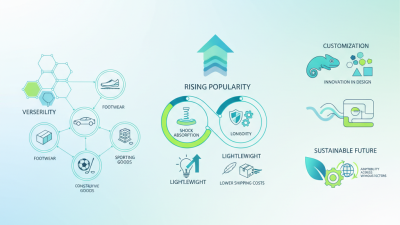
Eva Material is gaining traction in global markets. This versatile thermoplastic is known for its durability and flexibility. Many industries are discovering its potential for various applications. From footwear to packaging, designers appreciate its lightweight properties.
The popularity of Eva Material stems from its eco-friendliness. Manufacturers and consumers alike are pushing for sustainable options. Eva is often considered a safer alternative to traditional plastics. Its ability to be easily molded into different shapes is also a key advantage.
However, not all is perfect. Some buyers question its long-term durability in extreme conditions. Ongoing research may improve its performance further. Despite these challenges, Eva Material continues to attract attention. Its unique blend of characteristics makes it a favorite among global buyers.
What is EVA Material? A Comprehensive Overview
EVA, or ethylene-vinyl acetate, is a versatile polymer known for its durability and flexibility. It is widely used in various applications, including footwear, packaging, and sports equipment. Its popularity stems from its unique properties. EVA is lightweight, resistant to UV radiation, and provides excellent cushioning. According to a recent report by Market Research Future, the global EVA market is expected to grow significantly, reaching a valuation of over $8 billion by 2025. Such data highlights the material’s increasing demand.
Manufacturers appreciate EVA's adaptability. It can be easily molded, making it suitable for intricate designs. This capability allows production efficiency, which is essential in competitive markets. Additionally, the foam produced from EVA is environmentally friendly. Reports indicate that up to 30% of the polymer can be sourced from renewable materials. However, concerns about the sustainability of sourcing and disposal remain, warranting a need for further research into environmentally responsible practices.
EVA is not without challenges. The material can degrade under extreme heat, limiting its application in certain industries. Furthermore, while EVA is generally safe, questions about potential chemical leaching persist. These areas require industry attention to enhance product safety and environmental impact. Overall, EVA’s balance of performance and eco-friendliness contributes to its growing appeal among global buyers.
Key Properties and Characteristics of EVA Material
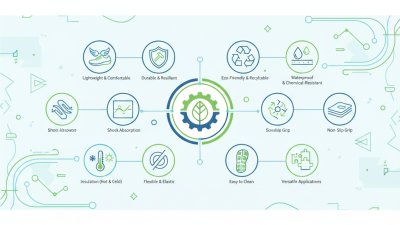
EVA material, short for ethylene-vinyl acetate, is gaining traction among global buyers. Its unique blend of flexibility and durability makes it a popular choice in various industries. EVA is lightweight, which enhances comfort in applications like footwear, sports equipment, and packaging. Its resistance to UV radiation and temperature variations further increases its appeal. Buyers appreciate that EVA is non-toxic and has good resistance to stress cracking.
The characteristics of EVA contribute significantly to its popularity. This material can be produced in various densities and hardness levels, allowing for versatile applications. Users benefit from its excellent shock absorption, minimizing impact-related injuries. Additionally, EVA offers good adhesion properties, which are advantageous in many manufacturing processes. Its compatibility with other materials broadens its usability. However, the environmental impact of EVA production often raises questions about sustainability.
Despite its benefits, EVA material is not without drawbacks. Long-term durability can be an issue in certain applications, as it may lose properties over time. Some industries face challenges in recycling EVA effectively, leading to waste management concerns. The trade-off between performance and environmental impact is a discussion worth having among manufacturers and consumers alike. As demand grows, so does the responsibility to address these issues thoughtfully.
Applications of EVA Material in Various Industries
EVA (Ethylene Vinyl Acetate) material has gained traction across multiple industries. Its lightweight and flexible nature makes it ideal for applications in footwear, packaging, and automotive sectors. For instance, the global footwear market, projected to reach 300 billion USD by 2024, increasingly utilizes EVA for its cushioning properties. This enhances comfort and performance in running shoes and sandals.
In the packaging industry, EVA is favored for its excellent sealing properties. Reports indicate that the global packaging market is anticipated to grow at a CAGR of 3.3%, reaching 1 trillion USD by 2025. EVA films and coatings provide superior clarity and durability, ensuring products are well-protected. However, as demand rises, manufacturers must consider the environmental impact and explore sustainable alternatives.
The automotive industry also embraces EVA for its insulation and vibration-damping capabilities. As per recent studies, nearly 20% of car interiors now incorporate EVA materials. While EVA offers significant advantages, it is essential to address recycling challenges. Future innovations may focus on enhancing recyclability, thus ensuring EVA remains a crucial material in a circular economy.
The Environmental Impact of EVA Material Compared to Alternatives
EVA (Ethylene Vinyl Acetate) is gaining traction among global buyers due to its versatile applications. Its environmental impact is a key concern as alternatives, like PVC and traditional plastics, often exhibit harsher profiles. According to a 2022 report by the Green Chemistry Consortium, EVA produces lower greenhouse gas emissions during production than PVC, making it a potentially greener option.
Though EVA itself is not biodegradable, its lifecycle emissions are considerably lower. The production process emits 30% fewer volatile organic compounds than traditional plastics, as reported by the International Plastics Federation. This indicates a clearer path toward sustainability. However, challenges remain. The recycling infrastructure for EVA is not as mature, which raises questions about end-of-life management.
Additionally, recent studies highlight the importance of innovation in improving the recyclability of materials like EVA. Researchers suggest that advancements could lead to improved circular economy practices. The environmental benefits of alternatives such as bio-based polymers are also being studied. They often boast better biodegradability, but scalability and cost-effectiveness present hurdles. The push for eco-friendly materials continues, urging the industry toward a more sustainable future.
What is Eva Material and Why is it Popular for Global Buyers? - The Environmental Impact of EVA Material Compared to Alternatives
| Dimension |
EVA Material |
Polyethylene (PE) |
Polyurethane (PU) |
| Flexibility |
High |
Medium |
Medium |
| Weight |
Lightweight |
Medium |
Heavy |
| Environmental Impact |
Low |
Medium |
High |
| Durability |
Good |
Very Good |
Excellent |
| Cost |
Moderate |
Low |
High |
Factors Contributing to the Popularity of EVA Material Among Global Buyers
EVA material, or ethylene-vinyl acetate, has gained popularity worldwide for various practical reasons. Its versatility is a key factor. This material is lightweight yet durable, making it ideal for many applications. It is commonly used in footwear, sports equipment, and even packaging. The comfort it provides in products, such as shoes, is highly favored by consumers.
Another contributing factor is its resistance to UV radiation and stress crack. These properties make EVA suitable for outdoor products. Buyers appreciate items that can withstand harsh weather conditions without deteriorating. Furthermore, EVA is easily moldable. This allows manufacturers to create unique designs and shapes, appealing to diverse tastes and preferences.
However, not everything about EVA is perfect. Some buyers report issues with its longevity in extreme conditions. The production process can also be environmentally taxing. As buyers become more conscious about sustainability, this is an area needing improvement. The balance between functionality and environmental impact remains a matter for ongoing discussion in the industry.