What is Eva Rubber and How is it Used in Manufacturing?
Eva Rubber is a versatile material in the manufacturing sector. It is known for its lightweight properties and flexibility. According to a recent report by Smithers Pira, the global demand for EVA products is projected to reach 9 million tons by 2025. This increase highlights its importance in various applications, such as footwear, packaging, and automotive parts.
Manufacturers are attracted to Eva Rubber due to its excellent elasticity and durability. For instance, it is often used in sport shoes for cushioning. Its resistance to UV rays and chemicals makes it ideal for outdoor applications. A study by Grand View Research noted that the EVA market is expected to grow at a compound annual growth rate (CAGR) of 6.5% through 2030.
Despite its benefits, the production of Eva Rubber raises concerns. The environmental impact of its manufacturing process must be addressed. Moreover, the challenge lies in balancing performance and sustainability. As industries grow, they must find ways to innovate while minimizing ecological footprints.
What is EVA Rubber?
EVA rubber, or ethylene-vinyl acetate, is a versatile material used extensively in manufacturing. This thermoplastic is known for its elasticity, transparency, and resistance to UV radiation. According to a recent report by MarketsandMarkets, the global EVA market is projected to reach USD 7.76 billion by 2025, driven by its applications in various industries.
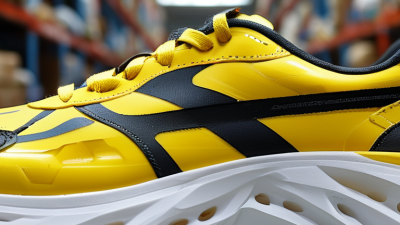
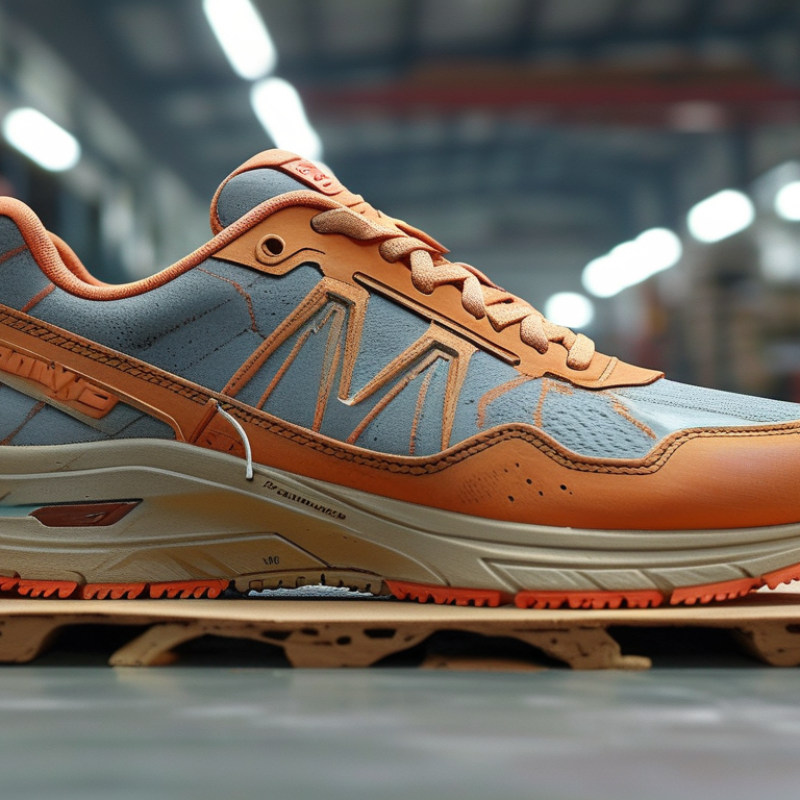
The composition of EVA rubber makes it an ideal choice for products requiring cushioning and flexibility. It is often utilized in footwear, where comfort is essential. Its lightweight nature helps reduce fatigue, making EVA a popular material for insoles and midsoles. Additionally, the automotive industry employs EVA in sound damping and sealing applications, enhancing vehicle performance.
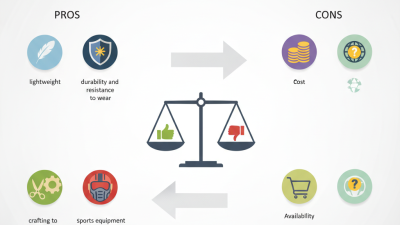
Despite its many advantages, EVA rubber can pose challenges. The balance between cost and quality becomes a crucial consideration for manufacturers. Some reports indicate that while EVA is a cost-effective choice, its production process can lead to variations in quality. This variability can impact performance and longevity, requiring manufacturers to closely monitor their material sourcing and processing techniques.
What is Eva Rubber and How is it Used in Manufacturing? - What is EVA Rubber?
| Property |
Description |
| Material Composition |
Ethylene-vinyl acetate copolymer |
| Flexibility |
High flexibility and elasticity |
| Durability |
Strong resistance to UV radiation and weathering |
| Applications |
Footwear, automotive parts, and foam products |
| Manufacturing Processes |
Injection molding, blow molding, and extrusion |
| Heat Resistance |
Moderate heat resistance, suitable for various temperature ranges |
| Environmental Impact |
Recyclable and comparatively low ecological footprint |
The Chemical Composition of EVA Rubber
EVA rubber, or ethylene-vinyl acetate rubber, is a versatile material used widely in manufacturing. Its unique properties stem from its chemical composition. EVA comprises ethylene and vinyl acetate units. Typically, the ratio of these components varies. A higher vinyl acetate percentage results in increased flexibility and transparency.
This flexibility allows EVA rubber to be molded easily, making it ideal for various applications. In the manufacturing sector, it serves purposes such as cushioning, insulation, and even as a component in adhesives. Many industries favor EVA for its lightweight nature. Furthermore, it exhibits good resistance to UV light and temperature extremes, enhancing its durability.
However, the recyclability of EVA remains a challenge. Its chemical structure complicates recycling processes. This issue raises concerns about environmental impact. As manufacturers seek sustainable materials, addressing EVA's recyclability is essential. While it performs well in many scenarios, its limitations warrant attention. Improving its environmental footprint is a critical next step in the evolution of EVA rubber in manufacturing.
Common Applications of EVA Rubber in Manufacturing
EVA rubber, known for its flexibility and durability, is widely used in various manufacturing sectors. A recent report by Smithers revealed that the global demand for EVA rubber is expected to grow by 5% annually. This increase is driven by its unique properties that make it suitable for various applications.
A popular application of EVA rubber is in the footwear industry. It is often utilized in the production of midsoles due to its lightweight nature and excellent shock absorption capabilities. Data from the American Chemical Society shows that EVA can reduce the weight of shoes by up to 30%. This makes shoes more comfortable for consumers, particularly for athletic and casual wear.
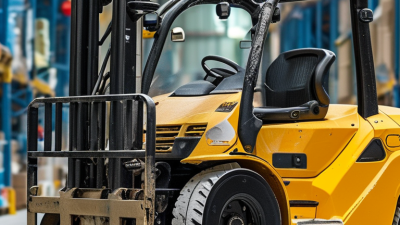
EVA rubber is also used in packaging and insulation materials. Its resistance to moisture and chemicals makes it ideal for food packaging. In addition, the automotive sector employs EVA rubber for soundproofing and sealing applications. The material’s adaptability allows manufacturers to tailor it for specific needs. However, sourcing and recycling EVA rubber can pose challenges. Companies are now exploring ways to create sustainable alternatives.
Advantages of Using EVA Rubber in Industrial Products
EVA rubber has gained significant traction in the manufacturing sector due to its unique properties. Its flexibility and durability set it apart from traditional materials. According to industry data, EVA rubber is used in various applications, including footwear, automotive parts, and packaging. This versatility is a primary reason for its increasing demand.
One major advantage of EVA rubber is its lightweight nature. Products made from EVA typically weigh less than those made from other materials, which can lead to lower shipping costs. Furthermore, the foam-like texture of EVA rubber provides excellent shock absorption. This characteristic is crucial for industries where product protection is paramount. Studies show that EVA rubber can reduce impact force by up to 30%.
The chemical resistance of EVA rubber also merits attention. While it can withstand exposure to various chemicals, it may not be immune to degradation over time. Manufacturers must regularly assess whether EVA is the best choice, especially for high-exposure environments. As businesses seek sustainable materials, EVA rubber can be recycled, further enhancing its appeal in eco-conscious markets. Balancing longevity and environmental impact is an ongoing conversation in the industry.
Usage of EVA Rubber in Different Industrial Products
Environmental Impact and Sustainability of EVA Rubber
EVA rubber, or ethylene-vinyl acetate, is a popular material in manufacturing. Its flexibility and durability make it ideal for many applications. However, its environmental impact is a critical concern. The production process often involves fossil fuels, resulting in carbon emissions. This poses challenges for sustainability.
Many manufacturers are exploring biodegradable alternatives. These innovations aim to reduce the negative effects on ecosystems. Yet, the effectiveness of these alternatives remains debatable. Some products aimed at sustainability still rely on conventional methods. They can unintentionally contribute to pollution, raising questions about their true impact.
Recycling EVA rubber is a potential solution, but it is not widely practiced. The recycling process can be complex and costly. Without effective recycling, EVA rubber remains in landfills for years. This urges manufacturers to rethink their approaches. Balancing material performance and environmental responsibility is a pressing challenge.