Why Choose High Density Eva Foam for Your Manufacturing Needs?
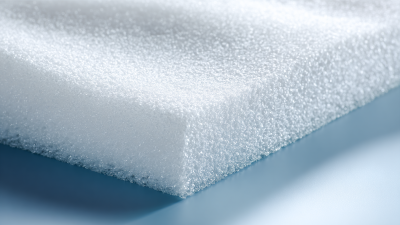
High Density Eva Foam stands out in the manufacturing landscape for its unique properties and versatility. Crafted from ethylene-vinyl acetate, this foam offers remarkable strength and resilience. Many industries, from automotive to healthcare, have come to rely on its durability and lightweight nature. However, not all foams are created equal, and understanding their characteristics is crucial for making informed decisions.
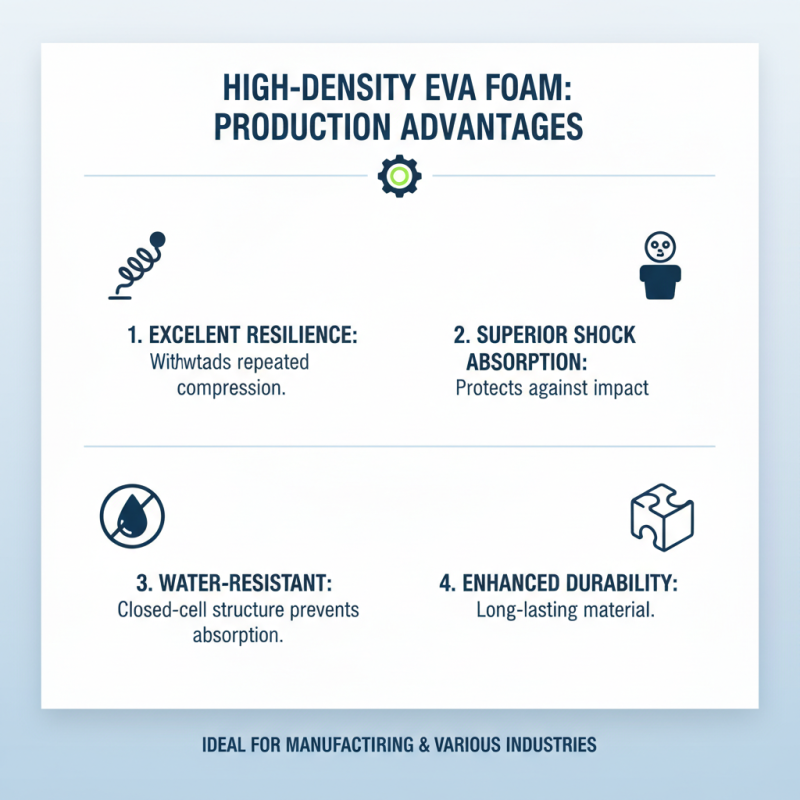
High Density Eva Foam features a closed-cell structure that provides excellent shock absorption. This quality is vital in applications where impact resistance is mandatory. Additionally, its water resistance allows it to thrive in varied environments. Manufacturers also appreciate its ease of fabrication, which can streamline production processes.
Despite its advantages, the selection of High Density Eva Foam should not be taken lightly. Factors such as density, thickness, and color options can significantly affect performance. A deep understanding of these elements is key. By considering specific needs and conditions, you can unlock the full potential of this versatile foam. Through careful evaluation, you can ensure successful outcomes in your manufacturing endeavors.
Advantages of High Density EVA Foam in Manufacturing
High density EVA foam offers numerous advantages in manufacturing. It is known for its durability and resilience. This material withstands heavy use and stress, making it ideal for various applications. Manufacturers appreciate that it can absorb shocks effectively. This quality helps protect products during transportation and handling.
In addition, high density EVA foam is lightweight yet strong. It reduces the overall weight of final products without compromising durability. This characteristic is crucial for industries such as automotive and aerospace, where weight savings can impact fuel efficiency. The foam is also resistant to chemicals and UV exposure, ensuring longevity.
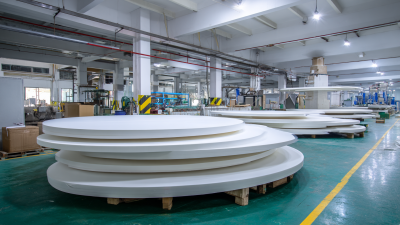
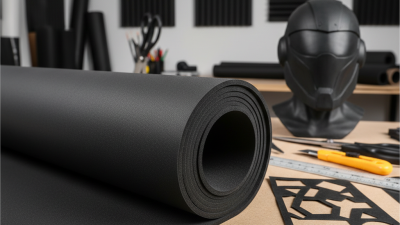
While high density EVA foam is versatile, it can be challenging to work with. Its density requires specialized cutting tools and techniques. Manufacturers must invest in proper equipment to optimize production. Quality control can also become complex, as factors like consistency and density may vary across batches. Ensuring uniformity is essential for maintaining product reliability.
Common Applications of High Density EVA Foam in Various Industries
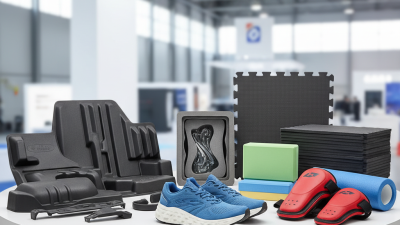
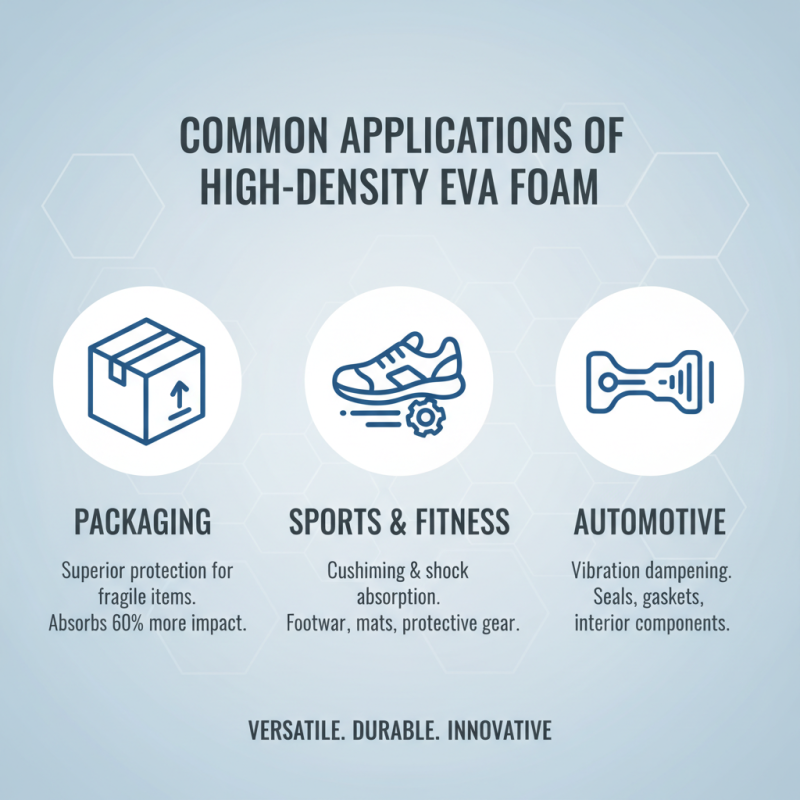
High-density EVA foam is increasingly popular across many industries. Its versatility and durability make it ideal for various applications. For example, in packaging, it provides unmatched protection for fragile items. Studies indicate that EVA foam can absorb up to 60% more impact compared to traditional materials.
In the sports industry, high-density EVA foam is used in mats and padding. This material helps reduce the risk of injury during physical activities. According to industry reports, using EVA foam can decrease impact forces by approximately 30%. Manufacturers value its lightweight and flexible nature, allowing for easy transport and installation.
Tips: When selecting EVA foam, consider the density and thickness for your specific needs. Not all applications require the same type. Customizing your foam can enhance performance significantly. This attention to detail can lead to better product outcomes. Remember, not investing in quality materials could affect the safety and effectiveness of your products.
Comparative Analysis: High Density EVA Foam vs. Other Foam Materials
High density EVA foam is an impressive material widely used in various manufacturing sectors. When comparing it to other foam materials, its durability stands out. This foam exhibits superior resilience and does not easily compress under pressure. Manufacturers often notice less wear and tear, leading to longer-lasting products.
In contrast, lower density foams may compress quickly, leading to a shorter lifespan. They can feel softer but don’t provide the same support. Additionally, high density EVA foam offers excellent shock absorption. This property is crucial for products needing protection, such as sports equipment. The performance under stress is a strong point.
Cost is often a concern for manufacturers. High density options can be pricier upfront. However, this may result in lower lifetime costs due to reduced replacement rates. It is worth reflecting on whether the initial investment aligns with long-term goals. Balancing quality and cost is essential in decision-making processes.
Cost-Effectiveness and Sustainability of Using High Density EVA Foam
High density EVA foam is increasingly recognized for its cost-effectiveness and sustainability in manufacturing. According to the American Foam Association, EVA foam is not only versatile but also provides high performance at a lower cost compared to its alternatives. Its durability means less material is needed, reducing long-term expenses. Companies can save up to 30% in replacement costs when using high-density EVA foam, as it resists wear and tear effectively.
Sustainability is becoming a priority for many manufacturers. High density EVA foam is often produced from renewable resources. A study by Green Building Council indicates that materials like EVA foam can reduce carbon footprints by 27% compared to traditional plastics. This eco-friendly aspect appeals to consumers who favor companies committing to sustainability. However, challenges remain, such as ensuring recycling and proper disposal of EVA foam products. Manufacturers often need to reflect on their waste management practices to maintain their sustainability claims.
Moreover, the production process of high-density EVA foam can generate emissions. While advancements are made, not every factory adheres to stringent environmental standards. It's crucial to push for transparency in manufacturing processes. Taking these steps will not only aid in genuine sustainable practices but also enhance the industry's credibility.
Why Choose High Density EVA Foam for Your Manufacturing Needs?
| Feature |
High Density EVA Foam |
Other Materials |
| Cost-Effectiveness |
Lower production costs due to reduced waste and efficient manufacturing processes. |
Higher costs associated with material waste and inefficient processes. |
| Durability |
Highly resistant to wear and tear, providing long-lasting performance. |
May degrade faster under stress, requiring more frequent replacements. |
| Sustainability |
Can be recycled and is often produced from eco-friendly materials. |
Typically less recyclable and can contribute to environmental waste. |
| Customization |
Easily customizable in terms of density and color to fit specific needs. |
Limited customization options, often requiring additional processes for modifications. |
| Comfort |
Offers excellent cushioning and impact absorption, enhancing user experience. |
May not provide the same level of comfort, especially under heavy usage. |