What is LDPE Bag and Why Choose It for Your Business?
In today's competitive market, choosing the right packaging is crucial for businesses. LDPE bags, known for their versatility and durability, are increasingly favored. John Smith, an industry expert with over 15 years of experience, emphasizes, “LDPE bags are not just cost-effective; they offer unmatched strength for various applications.”
LDPE bags stand out due to their lightweight nature and resistance to moisture. These factors make them ideal for food packaging, retail, and industrial use. Many companies are drawn to them, yet some overlook potential drawbacks like environmental impact. Businesses must weigh benefits against sustainability.
Despite being a popular choice, not all LDPE bags are created equal. Quality varies, and it's essential to choose reputable suppliers. Carefully consider your specific needs and how LDPE bags align with your brand values. In doing so, you can make informed decisions that will benefit both your business and the environment.

Understanding LDPE Bags: Definition and Characteristics
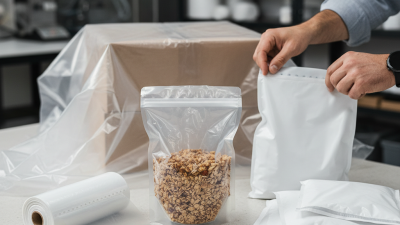
LDPE, or Low-Density Polyethylene, is a widely used material in packaging. It is known for its flexibility and durability. LDPE bags are lightweight yet strong, making them ideal for various applications. These bags resist moisture and have good impact strength, which enhances their usability in different environments. They are often seen in retail and grocery stores, offering a practical solution for customers.
One notable characteristic of LDPE is its recyclability. This feature appeals to businesses seeking eco-friendly options. Many LDPE bags can be reused and recycled, contributing to sustainability efforts. However, not all recycling systems accept them, which raises concerns. This inconsistency in recycling practices prompts a reevaluation of how businesses manage waste. Additionally, LDPE bags are not biodegradable, which can create long-term environmental challenges.
The strength of LDPE bags lies in their versatility. They can be used for everything from food storage to industrial packaging. However, companies must weigh the benefits against their environmental impact. Adopting LDPE bags can enhance operational efficiency, but environmental responsibility should be a priority. As businesses strive for sustainability, taking a closer look at materials and their lifecycle becomes crucial.
The Manufacturing Process of LDPE Bags
LDPE bags, made from low-density polyethylene, are popular in various industries. Understanding their manufacturing process is essential for a business considering their use. The production begins with the polymerization of ethylene, which creates a lightweight and flexible material. Typically, the process involves three key steps: extrusion, blowing, and sealing. The extrusion forms the film, while the blowing process expands the film into a tubular shape. Finally, sealing produces bags in desired sizes.
Research shows that about 43 million metric tons of LDPE are produced annually worldwide, indicating its widespread acceptance. LDPE bags are known for their durability, resistance to moisture, and recyclability. However, while they are more environmentally friendly than some plastic bags, challenges still exist regarding plastic waste. This duality warrants reflection, especially for responsible businesses.
Tip: Consider local recycling initiatives when choosing LDPE bags. Partnering with such programs can enhance sustainable practices. Additionally, be transparent about your sourcing methods. Customers appreciate understanding where materials come from and how they are managed. Making informed choices contributes to a better environment and boosts your brand’s credibility.
LDPE Bag Usage in Various Industries
In this chart, we visualize the percentage of LDPE bag usage across different industries. Retail takes the lead with 30%, followed by agriculture and food packaging. Understanding these usage patterns helps businesses make informed choices regarding LDPE bag procurement and environmental considerations.
Benefits of Using LDPE Bags in Business Operations
LDPE bags, or Low-Density Polyethylene bags, offer numerous advantages for businesses seeking effective packaging solutions. These bags are known for their flexibility and durability, making them ideal for various applications in retail and shipping. Studies show that LDPE bags can be up to 40% lighter than other materials. This means lower shipping costs, which is crucial for businesses looking to optimize expenses.
Moreover, LDPE bags are resistant to moisture and chemicals. This feature protects products from damage during transit and storage. According to industry reports, over 80% of businesses using LDPE bags noted an increase in customer satisfaction due to enhanced product protection. The transparency of these bags also allows for easy visibility of the contents, which can improve the shopping experience for consumers.
While LDPE bags are beneficial, they do raise environmental concerns. The production and disposal of plastic bags contribute to pollution. Businesses must consider this issue and explore recycling options. A report from a packaging sustainability group indicated that only 9% of plastic bags are recycled. This statistic highlights the need for a more responsible approach in business operations. Balancing practicality and sustainability is essential in today’s market. Businesses should reflect on their packaging choices and seek innovative solutions that resonate with eco-conscious consumers.
Applications of LDPE Bags Across Different Industries
LDPE bags, or low-density polyethylene bags, are versatile and widely used in various industries. Their flexibility and durability make them a popular choice for packaging needs. From retail to food service, these bags have applications that cater to diverse business requirements.
In the retail sector, LDPE bags are often used for shopping. They are lightweight, making them easy to carry. However, businesses must consider their environmental impact. Switching to more sustainable options or recycling harsh waste could enhance a brand's image.
Food service also benefits significantly from LDPE bags. They offer excellent moisture resistance, keeping food items fresh. Nonetheless, it’s crucial for businesses to ensure proper handling and storage. Contamination risks could compromise food safety.
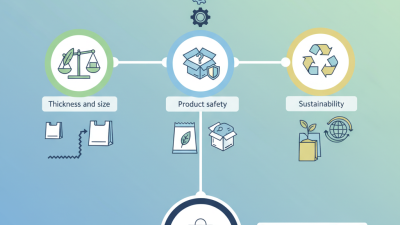
Tips: Always assess the thickness of LDPE bags. Thicker bags tend to last longer. Consider using biodegradable alternatives when possible. Regular reviews of your packaging choices can lead to improved sustainability.
Environmental Considerations and Recycling Options for LDPE Bags
LDPE bags, made from low-density polyethylene, are popular in various industries due to their lightweight and flexible nature. However, understanding their environmental impact is crucial. While LDPE is recyclable, the availability of recycling facilities varies. Many consumers are unaware that these bags can be recycled, leading to increased waste in landfills. Awareness campaigns are essential to educate both businesses and shoppers about proper disposal practices.
Recycling LDPE bags can significantly reduce their environmental footprint. Businesses can partner with local recyclers to provide collection points for used bags. Many grocery stores offer drop-off recycling stations, promoting responsible consumer behavior. Despite these options, not all LDPE ends up being recycled. The quality of recycled materials can also fluctuate. Hence, it's vital for businesses to focus on reducing overall plastic usage while encouraging recycling efforts.
Choosing LDPE bags should come with an understanding of these challenges. While they serve an operational purpose, businesses must ask themselves: How do we balance convenience with sustainability? Exploring alternatives may lead to more eco-friendly solutions. The journey towards environmental responsibility requires continuous improvement and honest reflection on existing practices.