What Is a PE Plastic Bag and Why Is It Used?
In today's world, the PE plastic bag plays a significant role. This common item is made from polyethylene, a versatile material. PE plastic bags are widely used for various purposes, such as packaging and storage.
These bags are lightweight and durable, making them ideal for many applications. They can hold groceries, clothes, and even fragile items. However, their convenience comes with environmental challenges. The widespread use of PE plastic bags contributes to pollution and waste. Many people overlook the long-lasting impact of this material.
The discussion around PE plastic bags raises questions about sustainability. While they serve useful functions, the need for alternatives is evident. This ongoing dilemma highlights the importance of finding eco-friendly solutions.
What is a PE Plastic Bag: Definition and Characteristics
PE plastic bags, made from polyethylene, are widely used in various industries. Their lightweight nature and durability make them ideal for packaging. These bags are often used in retail and grocery stores. According to a report by Smithers Pira, the global market for polyethylene bags is projected to reach $26 billion by 2025. This growth is driven by increasing demand for convenience and cost-effective packaging solutions.
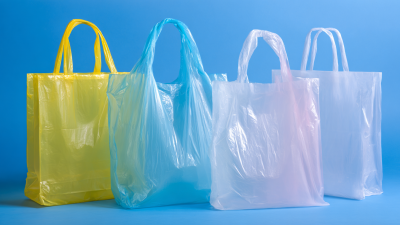
The characteristics of PE plastic bags are notable. They are flexible, resistant to moisture, and can be produced in various thicknesses. These bags can be transparent or colored, catering to diverse consumer preferences. However, it is essential to reflect on the environmental impact. While PE bags are recyclable, the recycling rate remains low. In 2021, only 9% of plastic waste was recycled, according to the Environmental Protection Agency.
One challenge with PE plastic bags is their contribution to pollution. They can take hundreds of years to decompose in landfills. This raises concerns about sustainability. Industry experts emphasize the need for better recycling infrastructure. As demand for PE bags rises, so does the responsibility to manage plastic waste effectively.
Common Types of PE Plastic Bags and Their Applications
PE plastic bags, made from polyethylene, come in several types, each serving various purposes. One common type is the flat bag. These are often used in retail for carrying items. They are convenient and cost-effective. However, they have limitations in durability and can tear easily if overloaded.
Another prevalent type is the gusseted bag. This design allows for expansion, making it suitable for bulkier items. Grocery stores frequently use these bags. They provide a better option for packaging fresh produce or bakery items. Yet, their thickness can vary, leaving room for improvement in environmental impact.
Lastly, zipper bags are great for food storage and organization. They offer a resealable option, helping to keep food fresh. But, despite their utility, many shoppers still overlook reusable options. This raises questions about our choices. How can we balance convenience with sustainability? Each bag type has strengths, yet they also remind us of our persistent reliance on single-use plastics.
What Is a PE Plastic Bag and Why Is It Used?
| Type of PE Bag |
Material Thickness (microns) |
Common Uses |
Features |
| Flat Bag |
30-100 |
Retail, Food Packaging |
Lightweight, Cost-effective |
| Gusseted Bag |
40-120 |
Bulk Storage, Produce |
Expandable Size, Stronger |
| Zipper Bag |
30-80 |
Food Storage, Small Parts |
Re-sealable, Durable |
| Drawstring Bag |
50-100 |
Gift Bags, Party Supplies |
Easy Closure, Versatile |
Key Properties of PE Plastic Bags: Durability and Flexibility
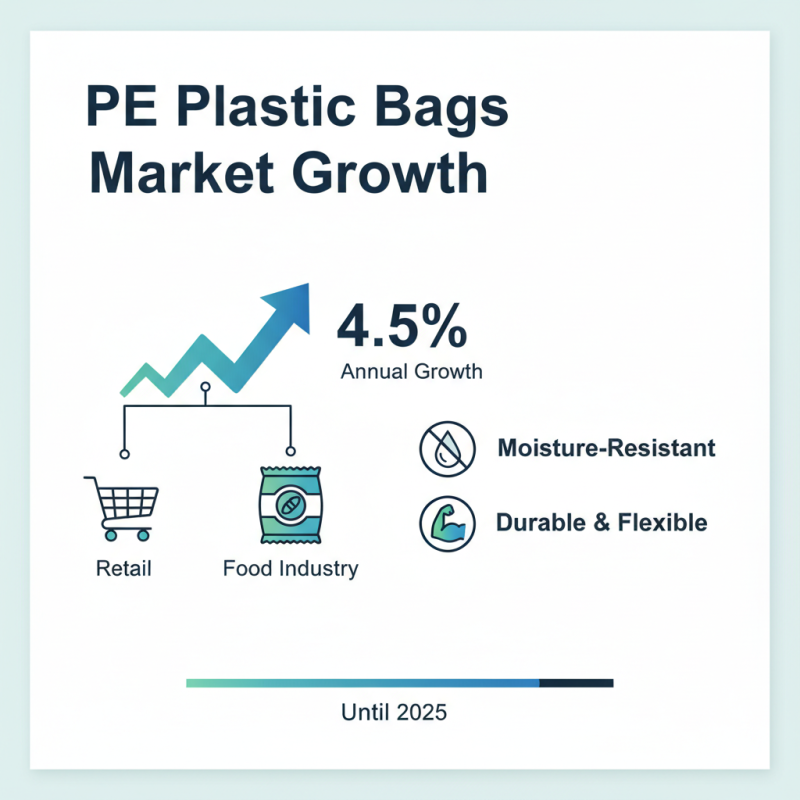
PE plastic bags, made from polyethylene, are widely recognized for their durability and flexibility. These bags are resistant to moisture, which makes them ideal for packaging various products. According to industry reports, the market for polyethylene bags is expected to grow by 4.5% annually until 2025. This growth is largely driven by their application in retail and food industries.
The flexibility of PE bags allows them to be produced in multiple sizes and colors. They can be molded easily to fit different products. This versatility is a key factor for many businesses. However, their lightweight nature can lead to challenges in waste management. In 2020, it was estimated that approximately 300 million tons of plastic were produced globally, and a significant portion ended up in landfills.
Durability is another important property. PE bags can withstand tears and punctures better than many other materials. They provide a reliable barrier against contaminants. Some reports indicate that these bags can last up to a thousand years in the environment. This long lifespan raises questions about environmental sustainability. While they serve a practical purpose, the impact on ecosystems remains a concern.
Environmental Impact of PE Plastic Bags and Recycling Options
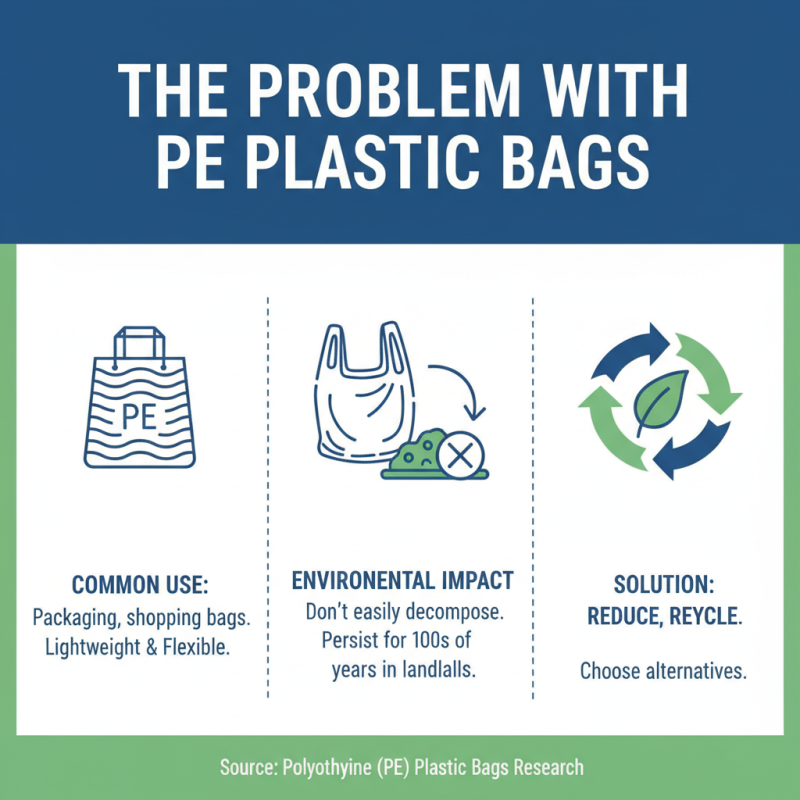
PE plastic bags, made from polyethylene, are common in daily use. They are lightweight and flexible, which makes them convenient for packaging. However, their environmental impact is significant. Many PE bags do not decompose easily. They can persist in landfills for hundreds of years.
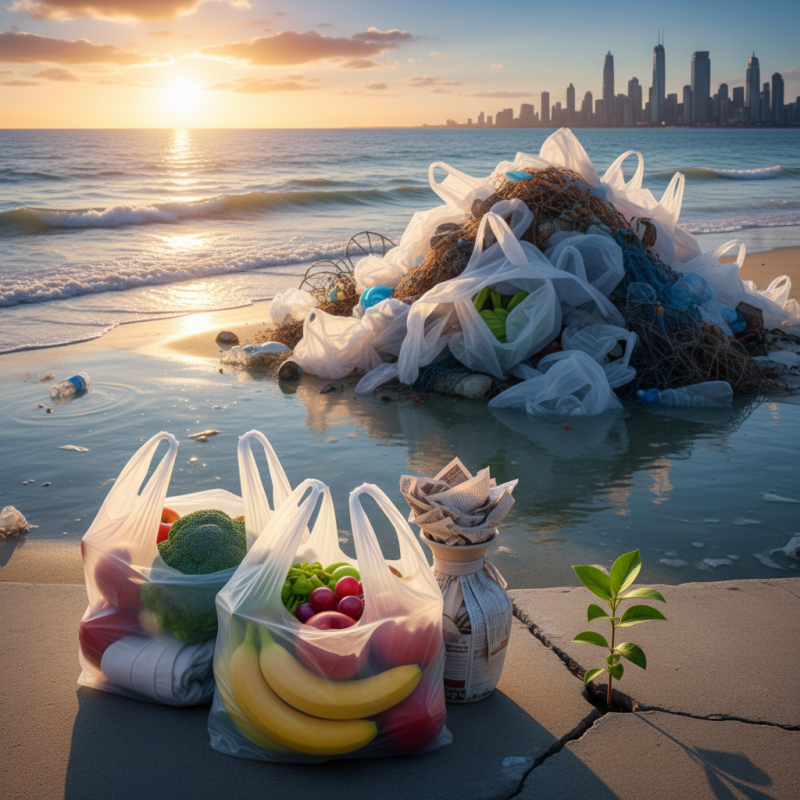
Upon disposal, these bags often end up in natural environments. They pollute oceans and harm wildlife. Animals mistake them for food. This leads to serious health problems for marine life. The visual pollution is also a concern. Many communities grapple with the sight of plastic waste accumulating in public spaces.
Recycling offers a potential solution, but it's not straightforward. Not all recycling programs accept PE bags due to contamination risks. It's crucial for consumers to seek out designated recycling programs. Unfortunately, many people remain unaware of proper disposal methods. Awareness is key to reducing the impact of PE plastic bags. More education on responsible usage and disposal can lead to better outcomes for the environment.
Market Trends: PE Plastic Bag Production and Usage Statistics
PE plastic bags, made from polyethylene, are widely used for packaging and carrying goods. Their durability and moisture resistance make them suitable for various applications. These bags are lightweight and flexible, making them easy to store and transport. In recent years, the production of PE plastic bags has surged globally. This trend reflects their increasing popularity among retailers and consumers.
Market statistics indicate that the demand for PE plastic bags is on the rise. In many regions, production rates have increased by over 10% annually. The retail sector is one of the largest consumers. Many stores rely on these bags for checkout services.
However, not all is perfect. Environmental concerns about plastic waste are growing. Some studies suggest that most PE bags end up in landfills or pollute oceans, raising critical questions about sustainability.
Despite their convenience, the reliance on PE plastic bags invites reflection. Many industries are exploring alternatives like biodegradable options. The transition, however, is slow. Some consumers remain attached to the old habits. They often overlook the long-term impact of plastic usage.
As awareness grows, the debate over PE plastic bags becomes increasingly relevant. Finding a balance between convenience and environmental responsibility is crucial.