Why is Eva Rubber Popular in Sports and Footwear?
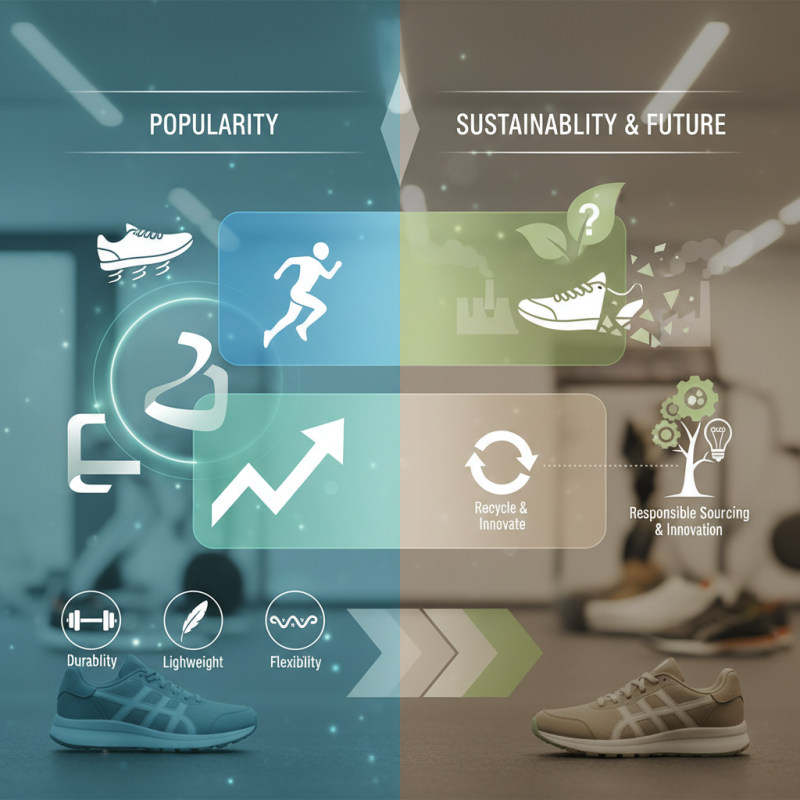
Eva Rubber has become a staple in the world of sports and footwear. This material offers a unique combination of durability, lightweight properties, and flexibility. Athletes and casual users alike appreciate its shock-absorbing capabilities. These qualities enhance performance, making Eva Rubber a top choice for various gear.
In recent years, the popularity of Eva Rubber has surged. Manufacturers have embraced its versatility. Shoes made from Eva Rubber are often more comfortable and supportive than traditional options. This has led to increased demand in the athletic world. However, questions about its environmental impact linger. Are we prioritizing comfort over sustainability?
The appeal of Eva Rubber is clear, but it’s essential to reflect on potential downsides. While it provides great cushioning, its long-term durability may raise concerns. Consumer habits are shifting, pushing for eco-friendly alternatives. As popular as Eva Rubber is, its future relies on innovation and responsible sourcing. The sports and footwear industries must navigate these challenges.
Composition and Properties of Eva Rubber in Sports Applications
Eva rubber has gained significant traction in the sports and footwear industries due to its unique properties. This material is lightweight yet durable, providing optimal cushioning for athletes. A report by the Sports and Fitness Industry Association highlights that footwear made with Eva rubber can enhance performance by reducing fatigue. Eva rubber's resilience to impact makes it a popular choice for running shoes and sports equipment.
Furthermore, the composition of Eva rubber includes ethylene and vinyl acetate, allowing for flexibility and good traction. This combination enables better grip during dynamic movements, which is essential in many sports. In fact, studies show that shoes with Eva rubber outperformed traditional materials in shock absorption tests. However, there are concerns regarding environmental sustainability. Eva rubber is not biodegradable, which poses challenges for its disposal.
Manufacturers are exploring recycling methods, yet no perfect solution exists. These unresolved issues highlight the need for innovation in the use of Eva rubber. Balancing performance benefits with environmental impact remains a significant challenge for the industry. As Eva rubber continues to evolve, athletes and manufacturers must consider both advantages and drawbacks.
Advantages of Eva Rubber for Footwear Design and Performance
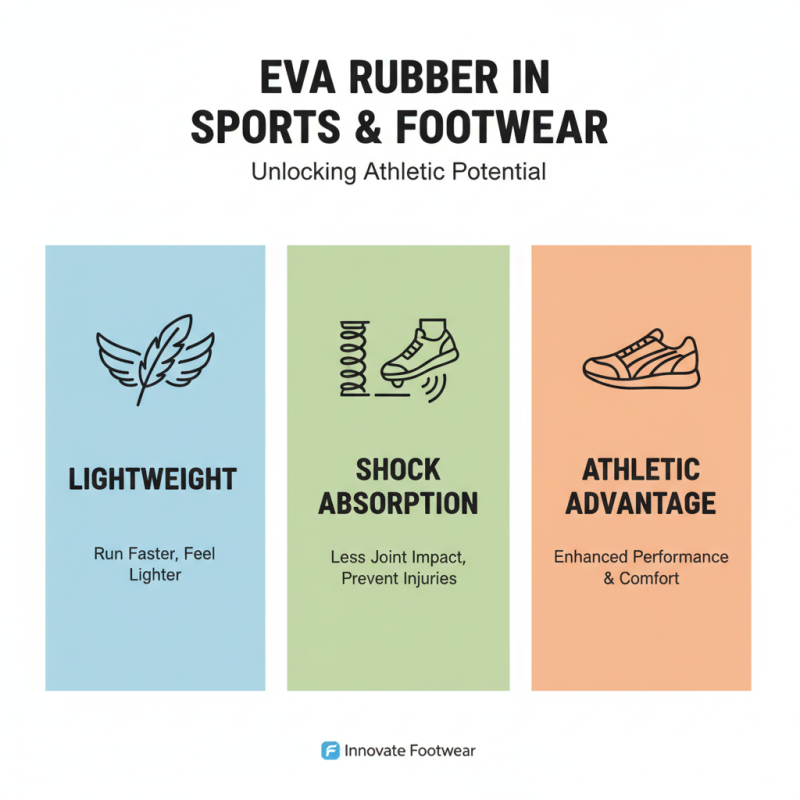
Eva rubber has gained immense popularity in sports and footwear design due to its numerous advantages. One of the key benefits of Eva rubber is its lightweight nature. This makes it ideal for athletic shoes. Athletes appreciate that they can run faster without feeling weighed down. Moreover, the cushioning quality of Eva rubber provides excellent shock absorption. This means less impact is felt on the joints, which can prevent injuries.
In addition to comfort, Eva rubber is known for its durability. It resists wear and tear better than many other materials. This longevity translates to longer-lasting footwear. However, it’s important to consider that while Eva rubber is durable, it can sometimes lose its structural integrity over time, especially under extreme conditions. This might lead to a need for replacement sooner than expected.
Another notable feature is its versatility. Eva rubber can be molded into various shapes. Designers can create unique styles that cater to different sports and activities. Yet, this flexibility can also lead to challenges. Not all Eva rubber products maintain the same level of performance. Therefore, ongoing testing and feedback are essential for improvement.
Common Sports Equipment Crafted from Eva Rubber
Eva rubber is increasingly favored in the sports industry due to its unique properties. It's lightweight, flexible, and shock-absorbent. Reports indicate that the EVA foam market is projected to grow significantly, with an expected CAGR of 6% by 2025. This growth correlates strongly with its use in various sporting goods.
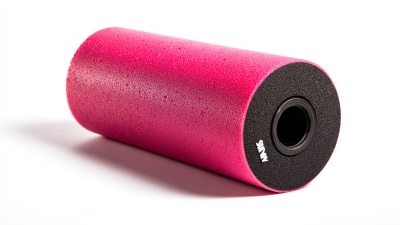
Common sports equipment made from EVA rubber includes yoga mats, sports shoes, and padding for protective gear. For example, EVA is often used in the midsoles of running shoes, enhancing comfort and reducing impact. Pads made of EVA foam are common in contact sports, providing necessary cushioning. This not only improves safety but also enhances athletic performance.
While EVA rubber presents many advantages, it is worth noting some drawbacks. The material can degrade under excessive UV exposure, which may limit its longevity outdoors. Furthermore, its production processes can raise environmental concerns. Athletes and manufacturers must weigh these factors when choosing EVA products for sports and footwear. The balance between performance and sustainability remains a crucial conversation in the industry.
Durability and Maintenance of Eva Rubber in Athletic Use
Eva rubber stands out in sports and footwear due to its impressive durability. This material can withstand rigorous activities without sacrificing performance. It is resistant to wear and tear, making it ideal for both trainers and outdoor footwear. Athletes often push their gear to the limit. Eva rubber meets this challenge, maintaining form even under stress.
Maintenance is relatively straightforward. Regular cleaning is essential, especially after muddy runs. A simple rinse can do wonders to keep Eva rubber looking fresh. However, improper care can lead to deterioration. It’s vital to dry it correctly to avoid mold development.
While Eva rubber is tough, it’s not indestructible. Users must be attentive to signs of wear. Some people overlook the need for proper care and face consequences. This oversight can affect both comfort and performance. While Eva rubber is designed for durability, it requires some effort to maintain.
Regular assessment of the footwear can help catch issues early. A proactive approach can prolong the lifespan of sports gear significantly.
Comparative Analysis: Eva Rubber vs. Other Footwear Materials
Eva rubber is gaining traction in the sports and footwear industry for good reasons. This material is lightweight yet durable, making it ideal for various activities. Eva rubber provides excellent cushioning, which enhances comfort during prolonged use. Athletes benefit from its shock-absorbing properties, reducing the risk of injury.
When comparing Eva rubber to traditional materials like leather or PVC, several differences emerge. Leather is often heavier and requires more maintenance. On the other hand, PVC can feel stiff and less breathable. Eva rubber, however, strikes a balance. It is flexible and conforms to the shape of the foot. Yet, some users find it lacks the premium feel of leather.
Despite its advantages, there are drawbacks to consider. Eva rubber may not be as environmentally friendly as some alternatives. Its production can involve chemicals that are not sustainable. Additionally, while generally durable, it can wear down quicker in extreme conditions. Users seeking longevity might hesitate. It is essential to weigh both the benefits and limitations.
Why is Eva Rubber Popular in Sports and Footwear?