What is Rubber Foam and its Benefits for Global Buyers?
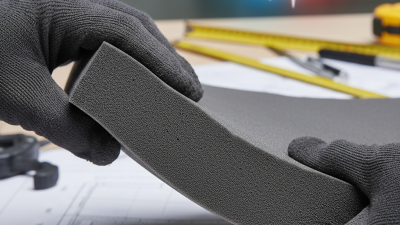
Rubber Foam is a versatile and innovative material widely used across various industries. Its unique properties make it suitable for applications in packaging, insulation, and cushioning. Global buyers are increasingly recognizing its value due to its durability and lightweight nature. The expanding demand for Rubber Foam is a testament to its efficiency and functionality.
This material is made from synthetic rubber, offering excellent shock absorption and energy resistance. It contributes to improved product longevity, making it a preferred choice in manufacturing. Many companies have adopted Rubber Foam to enhance their products, demonstrating its strong market presence.
However, buyers should consider sourcing challenges and environmental impacts. Not every supplier meets quality standards. Conducting thorough research and selecting reputable manufacturers is vital. Ultimately, the benefits of Rubber Foam can significantly outweigh its drawbacks, provided one approaches the procurement process thoughtfully.
Understanding Rubber Foam: Composition and Properties
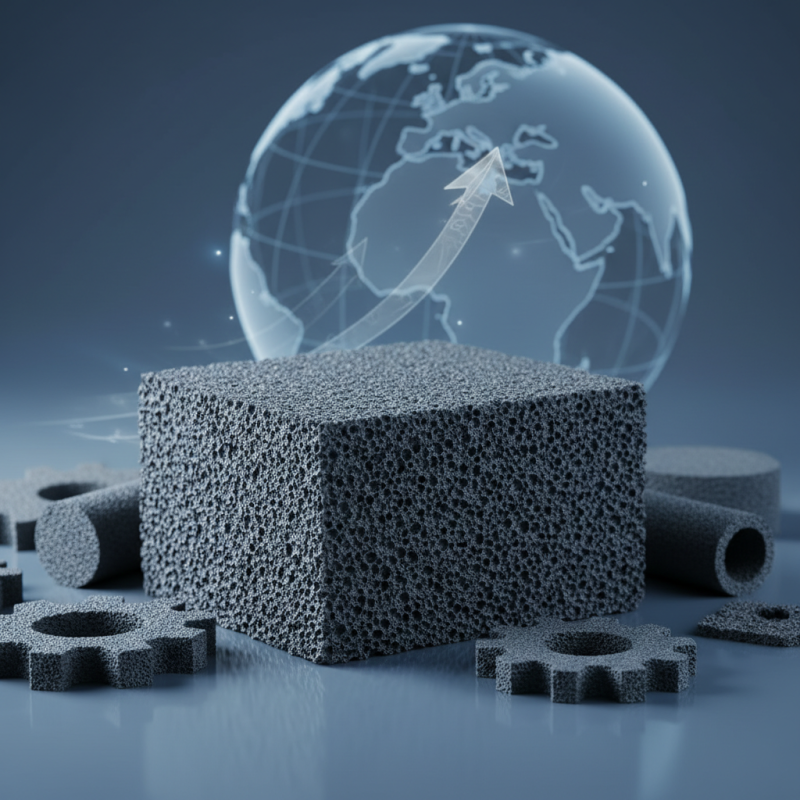
Rubber foam is an advanced material known for its versatile properties. It is made from natural or synthetic rubber, often combined with air during production. This creates a lightweight, spongy structure that offers excellent cushioning and insulation. According to a report by MarketsandMarkets, the global rubber foam market is projected to reach USD 4.16 billion by 2025, driven by demand in various sectors like automotive and construction.
The properties of rubber foam include flexibility, durability, and sound absorption. It can withstand extreme temperatures and resist moisture, making it ideal for diverse applications. Research indicates that rubber foam can reduce noise pollution by up to 80% in certain environments. However, its production process can be energy-intensive, raising questions about sustainability. Buyers must weigh the benefits against the environmental impact of manufacturing this material.
Additionally, while rubber foam excels in many areas, the potential for off-gassing poses concerns for indoor air quality. Some foams may emit volatile organic compounds (VOCs), affecting health and comfort. Thus, buyers are encouraged to seek products that meet safety standards and certifications. Always consider the source and manufacturing practices of rubber foam to make informed purchasing decisions.
Understanding the Composition and Benefits of Rubber Foam
The Manufacturing Process of Rubber Foam Explained
The manufacturing process of rubber foam involves several critical steps. It begins with the selection of high-quality rubber materials. These materials are then processed to create a suitable mixture. This mixture often includes additives to enhance properties like durability and flexibility. The consistency of this blend is vital; any deviation can affect the final product's performance.
Once the mixture is ready, the next step is foaming. This is achieved by introducing air or gas into the rubber material. The process requires precise temperature control to ensure uniform cell structure. A well-structured foam has better cushioning and insulation properties. After foaming, the rubber foam is cured to strengthen its structure. This curing process can take various forms, using heat or chemicals.
Despite its benefits, the manufacturing of rubber foam isn’t without challenges. Variability in raw materials can lead to inconsistencies. Manufacturers often face difficulties in maintaining quality throughout production. Continual testing and adjustments are crucial to meet industry standards. Engaging experts can enhance the reliability of the process, reducing risks for global buyers.
Key Benefits of Rubber Foam for Global Buyers
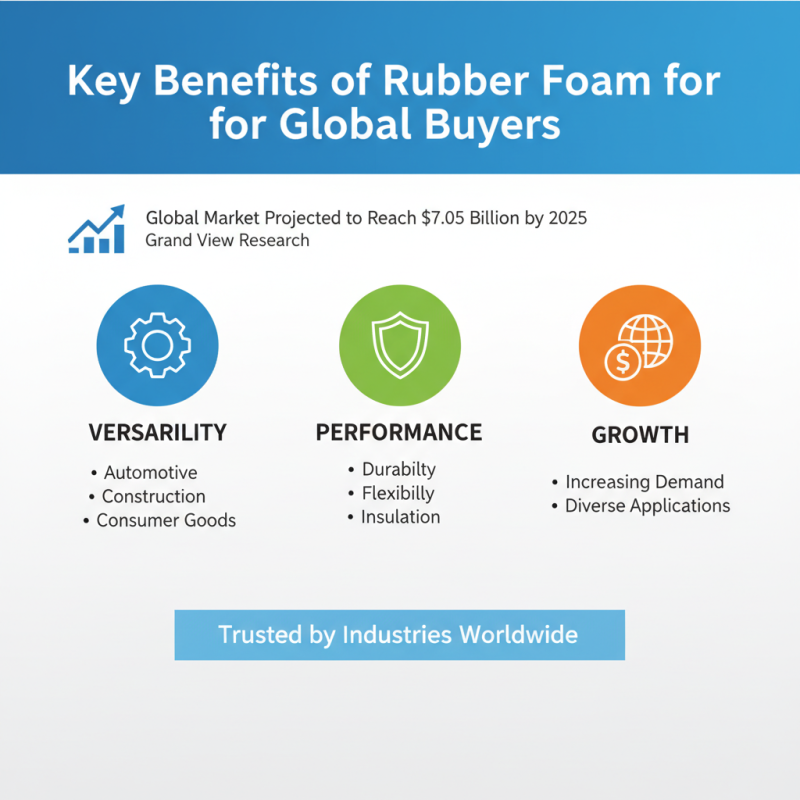
Rubber foam is increasingly recognized for its versatility and performance benefits. According to a report by Grand View Research, the global rubber foam market is projected to reach $7.05 billion by 2025. This growth indicates strong demand among global buyers across various industries, including automotive, construction, and consumer goods.
One key advantage of rubber foam is its excellent thermal insulation properties. This material effectively reduces energy consumption, making it an attractive option for eco-conscious buyers. Additionally, rubber foam is resistant to moisture and chemicals, which further enhances its appeal in industrial applications. Studies show that products made from rubber foam can last significantly longer than alternatives, reducing replacement costs and waste.
While rubber foam offers many benefits, it is essential to consider the production process. The environmental impact of manufacturing can vary widely. Buyers should seek materials that meet strict environmental standards. Transparency in sourcing and production can significantly influence purchasing decisions in a market increasingly driven by sustainability concerns. Understanding these factors can help global buyers make informed choices.
Applications of Rubber Foam in Various Industries
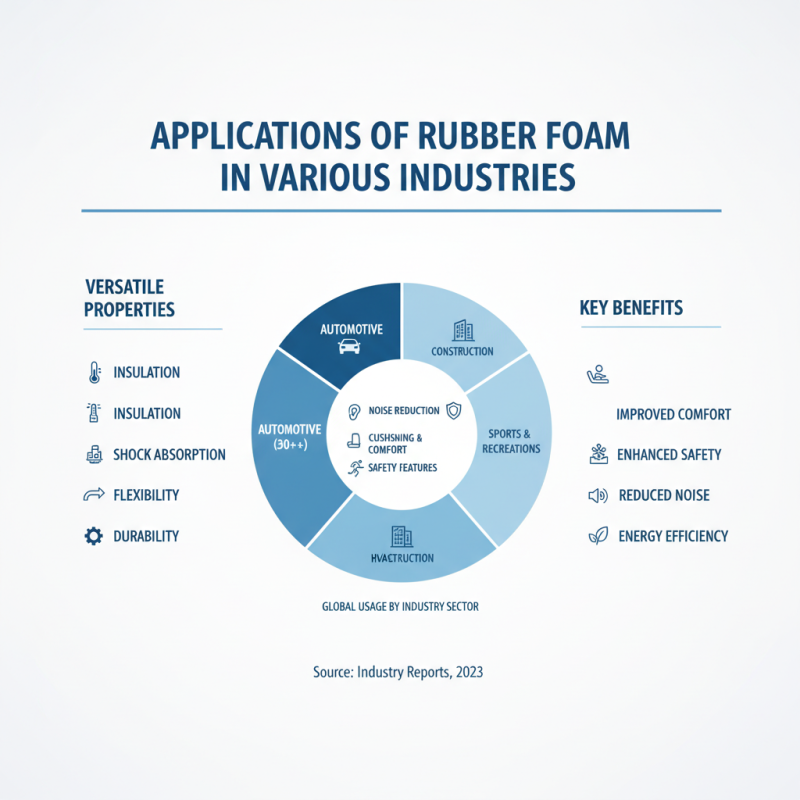
Rubber foam is a versatile material with applications across various industries. In the automotive sector, it serves as insulation and cushioning. Reports indicate that the automotive industry accounts for over 30% of rubber foam usage globally. This material helps reduce noise levels, improve comfort, and enhance safety features in vehicles.
In construction, rubber foam is essential for thermal insulation and soundproofing. According to a recent study, the demand for rubber foam in construction is projected to grow by 5% annually until 2027. Its lightweight properties make it ideal for reducing energy costs and improving building acoustics. However, not all applications are flawless. Some manufacturers face challenges in sourcing sustainable materials, impacting product quality.
The healthcare industry also benefits from rubber foam applications. It is widely used in medical devices and mattresses. Reports highlight that the healthcare sector alone represents a significant portion of the rubber foam market. Comfort and hygiene are crucial here, yet inconsistent production practices can raise concerns about material safety. Buyers should consider these factors when sourcing rubber foam products for any industry.
Factors to Consider When Sourcing Rubber Foam Products
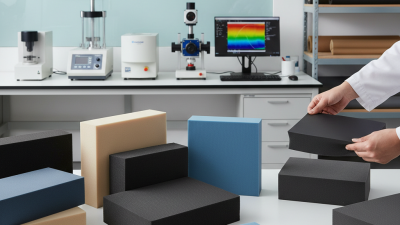
When sourcing rubber foam products, several key factors should be evaluated. Quality is paramount. It’s essential to consider the density and specifications of rubber foam. For instance, the density can affect its durability and insulation properties. According to a recent market analysis, high-density rubber foam provides superior energy absorption, making it ideal for various applications.
Cost considerations also play a critical role. Buyers need to balance quality with pricing. Data from industry reports indicate that while high-quality rubber foam may have a higher initial cost, it often leads to lower long-term expenses due to durability. Understanding the total cost of ownership can prevent overspending over time.
Sustainability is increasingly important for global buyers. Many manufacturers are investing in eco-friendly materials and processes. Reports show that products made from recycled rubber foam are gaining traction. These products can reduce waste and offer comparable performance to traditional options. However, buyers should scrutinize certifications and sustainability claims to ensure they are not misleading.
What is Rubber Foam and its Benefits for Global Buyers? - Factors to Consider When Sourcing Rubber Foam Products
| Dimension |
Measurement |
Benefits |
Applications |
Considerations |
| Density |
20-100 kg/m3 |
Lightweight, Easy to Handle |
Packaging, Insulation |
Ensure Material Quality |
| Compression Set |
Less than 10% |
Durability, Long-lasting Performance |
Automotive, Construction |
Test for Consistency |
| Thermal Resistance |
-40°C to 100°C |
Temperature Insulation |
Electronics, HVAC Systems |
Evaluate Thermal Performance |
| Sound Absorption |
NRC of 0.75+ |
Noise Reduction |
Acoustic Panels, Foam Insulation |
Assess Soundproof Quality |
| Moisture Resistance |
High |
Mold and Mildew Prevention |
Marine Applications, Outdoor Products |
Verify Water Resistance |