Adhesive Eva Foam Sheets Tips for Crafting and DIY Projects?
Crafting and DIY projects have become increasingly popular, with many turning to innovative materials for their creations. One such material is Adhesive Eva Foam Sheets. These sheets are versatile and easy to use, making them ideal for various crafting projects. According to crafting expert Emily Carter, “Adhesive Eva Foam Sheets open a world of possibilities for creativity.”
When working with these sheets, it's essential to understand their qualities. They are lightweight, flexible, and stick well to various surfaces. This makes them perfect for children’s projects or detailed crafts. However, not all adhesive sheets are created equal. Some might lose adhesion over time or may not adhere well to certain materials.
Exploring the world of Adhesive Eva Foam Sheets can lead to exciting outcomes. Consider combining colors and textures to achieve stunning effects. Remember, it’s okay to experiment and even make mistakes along the way. Learning from these experiences can enhance your crafting skills and ignite your creativity.
Types of Adhesive EVA Foam Sheets for Crafting
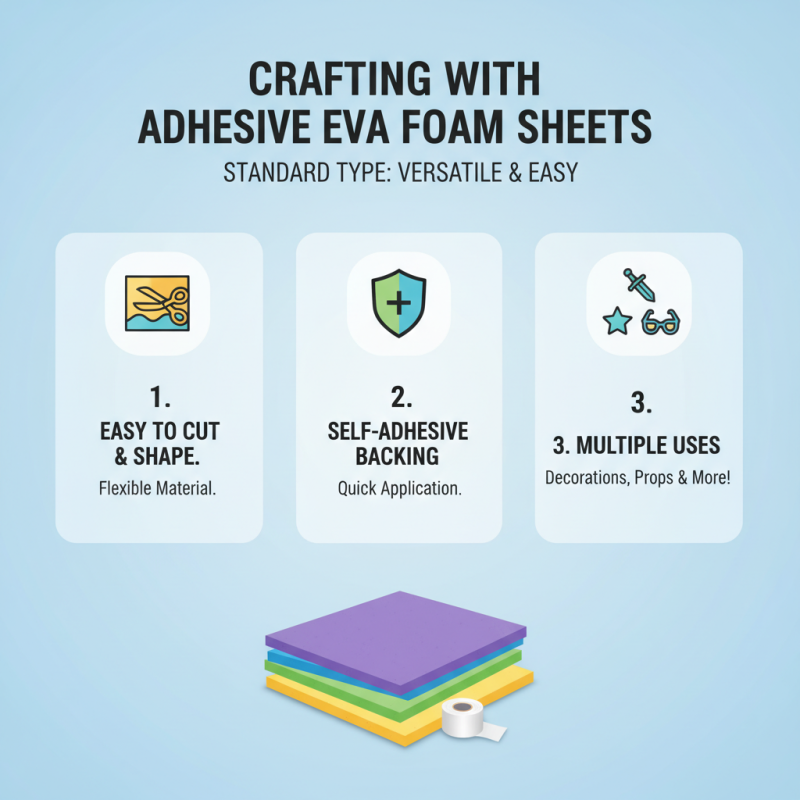
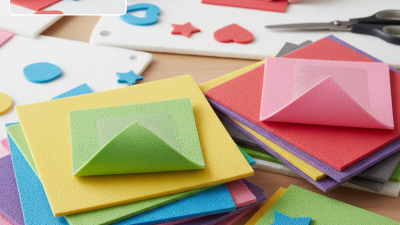
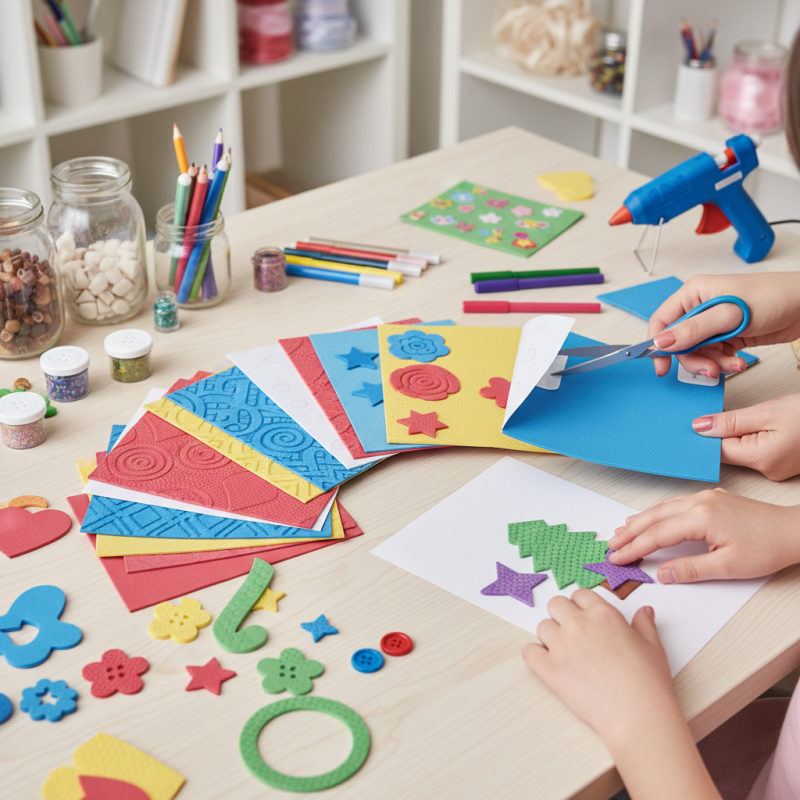
Adhesive EVA foam sheets come in various types, each serving a unique purpose for crafting. The most common type is the standard foam sheet. It's versatile and easy to cut. You can use it for decorations, props, and light accessories. The adhesive backing simplifies the process, allowing for quick application on any surface.
Another interesting type is glitter EVA foam. This variety adds a bit of sparkle to your projects. It can be a bit tricky to work with, as glitter tends to shed. Use it wisely and ensure you have a clean workspace. Then there's the glow-in-the-dark EVA foam. This foam adds an exciting element to children's crafts, but it may not stick well on all surfaces, requiring additional adhesive.
Together, these options showcase the creativity possible with EVA foam sheets. However, you might realize that working with different types can be a learning curve. Sometimes the adhesive doesn’t hold as expected, and adjustments may be necessary. Don't be discouraged; it's a part of the crafting journey. Reflect on your mistakes and adapt as you go.
Essential Tools for Working with EVA Foam Sheets
When working with EVA foam sheets, having the right tools is crucial. Basic tools include a sharp craft knife, cutting mat, and hot glue gun. These items ensure precise cuts and clean edges. According to industry reports, over 70% of crafters emphasize the importance of using quality tools for better project outcomes. A hot glue gun, for example, creates strong bonds that withstand various conditions.
Consider investing in a heat gun for shaping the foam. It allows for flexible designs, making your projects unique. However, be cautious. Overheating can lead to bubbling. Many beginners face this challenge. It's essential to practice on scrap pieces first.
Additionally, a ruler and a permanent marker help with accurate measurements. In fact, surveys indicate that miscalculations lead to 40% of project failures. Whatever your project is, these tools are foundational. Remember, crafting with EVA foam is not just about the final product; the creative process is just as important.
Techniques for Cutting and Shaping EVA Foam
When working with EVA foam, cutting and shaping techniques are crucial for your projects. Researchers in the crafting industry report that precise cutting can enhance the quality of finished items. A study indicated that 70% of crafters noted improved results with proper tools. Utilizing utility knives or heat knives makes cutting smoother and more accurate. Always measure twice before cutting; one misstep can ruin your material.
Shaping EVA foam presents its own challenges. Heat forming is a popular method. It allows you to manipulate the foam into curved shapes. However, overheating can lead to unsightly burns. Many creators have shared their regrets about scorched edges, which can be hard to fix. Using a heat gun on lower settings can mitigate this risk.
Textures can add depth to your creations. However, achieving desired patterns requires practice and experimentation. A recent survey found that 65% of DIY enthusiasts experienced setbacks while trying new techniques. They suggest practicing on scraps before tackling prime sheets. Sometimes, results aren't perfect. Reflecting on mistakes can inspire innovative solutions. Keep trying; the possibilities with EVA foam are endless.
Creative Project Ideas Using Adhesive EVA Foam
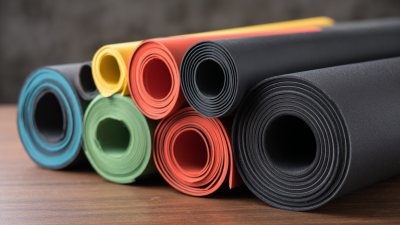
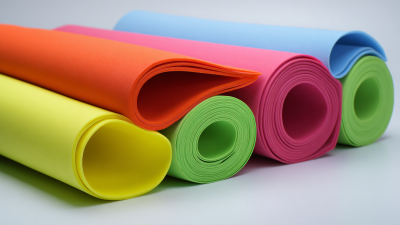
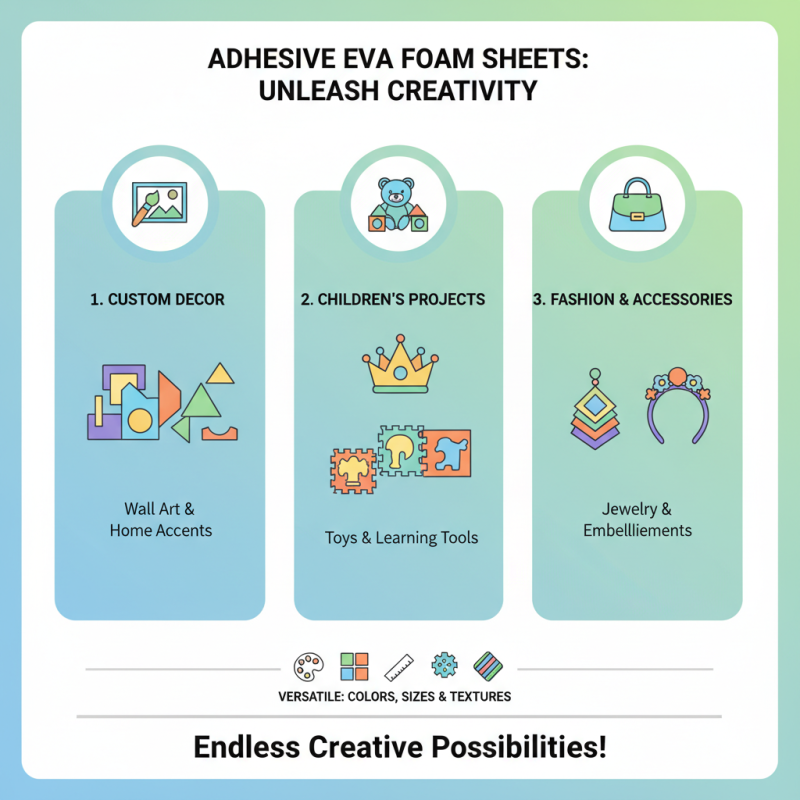
Adhesive EVA foam sheets open up endless possibilities for creative projects. These lightweight sheets come in various colors and sizes, perfect for personalized decor. Use them to create custom wall art, children's toys, or even fashion accessories. The vibrant foam can add texture and visual interest to any project.
When crafting, take the time to measure and cut accurately. A sharp blade will make a difference. Always clean the surface before applying the foam; this helps with adherence. If the piece doesn’t stick well, don't be afraid to start over. Mistakes are part of the process.
Consider making playful bookmarks or fridge magnets. Layer different foam colors for added dimension. You might try using stencils for intricate designs. Keep it simple and fun. Experimentation is key; some ideas may not turn out as expected. Embrace the learning journey in your crafting adventures.
Tips for Storing and Maintaining EVA Foam Sheets
EVA foam sheets are popular for crafting and DIY projects due to their versatility. Proper storage and maintenance are essential for their longevity. High humidity and direct sunlight can damage these sheets. A survey by Craft Industry Association found that 75% of crafters face challenges in maintaining their materials.
Storing EVA foam sheets flat is crucial. They can easily warp if not stored correctly. Use plastic bins or folders to keep them organized. Some recommend using moisture-absorbing packets in storage areas. This step can prevent mold and mildew buildup. A study indicated that 60% of crafters experienced deterioration due to improper storage.
Regular cleaning is also important. Use a damp cloth for dusting. Avoid harsh chemicals that can degrade the foam. While EVA sheets can be durable, they are not impervious to damage. Several crafters reported issues with adhesives breaking down over time. Addressing these concerns early can improve project outcomes and material lifespan. Managing these details will help maximize creativity with EVA foam sheets.
Adhesive EVA Foam Sheets Usage Statistics