Global sourcing decisions often begin with packaging, because packaging protects products long before customers see them. Aluminum Resealable Bags offer strong light, moisture, oxygen, and odor barriers. These properties can support product stability during long-distance transport and changing warehouse conditions. A reliable sourcing team checks more than appearance. It reviews material structure, foil thickness, zipper performance, seal strength, and supplier consistency. Samples should face practical tests, including repeated opening, compression, vibration, and temperature changes. A bag that looks excellent may still fail at the zipper. Small details matter.
Experienced buyers also compare production capacity, minimum order quantities, lead times, and quality-control records. They request documented specifications and independent test results when appropriate. Traceable batches make future problems easier to investigate. Clear communication helps prevent mismatched dimensions, weak seals, or inaccurate printing. However, Aluminum Resealable Bags are not automatically the best choice for every product. Their environmental performance depends on the full material structure, local recycling systems, and responsible disposal. Some suppliers may describe a package as recyclable without explaining practical limitations. That deserves careful questioning. Cost calculations should include freight volume, rejected units, storage needs, and possible redesigns. Not just the unit price. A thoughtful global sourcing strategy balances protection, supplier reliability, compliance expectations, and customer needs. It also accepts uncertainty. Specifications may need revision after real shipment testing. That is not failure. It is useful evidence for a stronger purchasing decision.
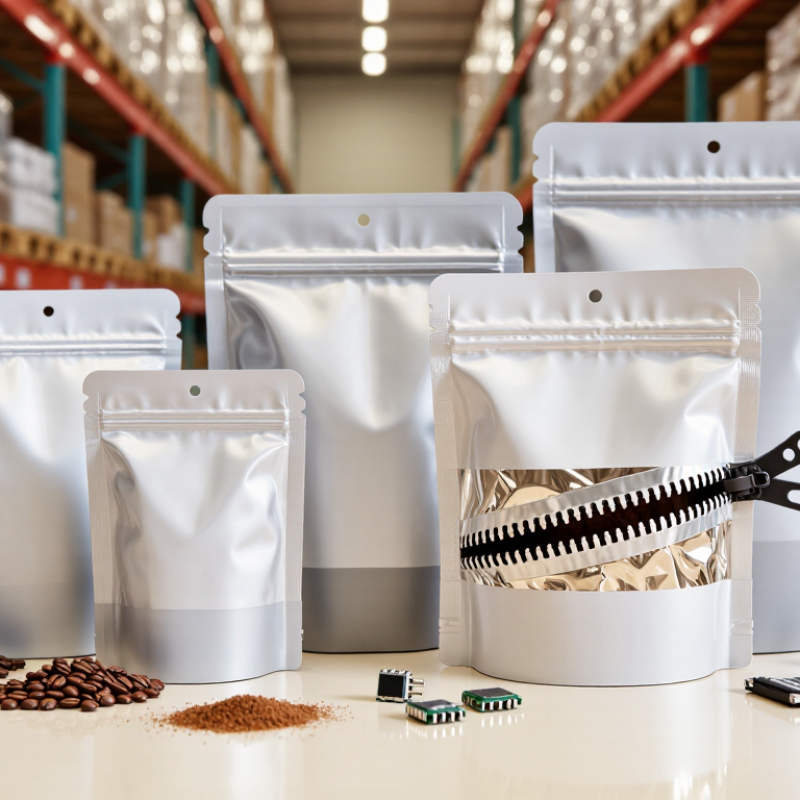
Aluminum resealable bags are flexible pouches built with a multilayer barrier film. Their inner structure usually combines plastic sealing layers with a thin aluminum foil layer. The foil blocks much of the light, oxygen, moisture, and odor transfer that can damage sensitive dry goods. A press-to-close zipper provides repeated access without requiring a new container.
Not merely a pouch. In practical packaging checks, the zipper is useful, but it is not a true hermetic seal.
The bag’s performance depends on more than the word aluminum. Foil thickness, laminate quality, seal temperature, zipper alignment, and filling conditions all matter. A bag may look strong yet fail at a weak corner or poorly sealed top edge. This is why experienced buyers request material specifications, seal tests, drop tests, and moisture or oxygen barrier data.
They should also examine whether the pouch stands upright, opens cleanly, and resists pinholes during transport. Small details matter.
For food-contact applications, request current compliance documents and migration-test records for the destination market.
For global sourcing, these bags are often selected for compact storage and lower product exposure after opening. Their flat profile can reduce shipping volume, while the resealable closure supports repeated household use. However, the foil layer may crease, and repeated bending can weaken barrier performance.
That limitation is easy to overlook. I would not treat a decorative finish as proof of protection. Ask for samples from the intended production run, not only a polished prototype.
Packaging needs vary by product, climate, filling method, and distribution route.
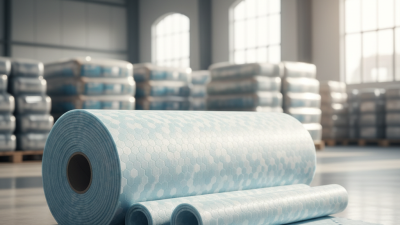
Aluminum resealable bags protect products through layered barrier construction. The aluminum layer blocks light, oxygen, moisture, and external odors. This matters during long-distance shipping and repeated warehouse handling. A sealed pouch can help preserve texture, aroma, and product stability. The zipper also limits exposure after opening. Not perfectly, though. A poor seal can quickly reduce protection.
The Food and Agriculture Organization reported that 13.2% of food was lost globally between harvest and retail in 2021. Better packaging cannot solve every supply-chain problem, but it can reduce avoidable exposure. The Flexible Packaging Association’s 2023 industry report valued U.S. flexible packaging shipments at approximately 39.5 billion dollars in 2022. That scale reflects strong demand for lightweight, protective formats.
For global sourcing, material selection needs practical testing. Check seal strength, puncture resistance, zipper alignment, and barrier performance. Test samples after compression, temperature changes, and transport vibration. Aluminum laminate is not automatically suitable for every product. Some contents may need extra cushioning or controlled storage. I would also question vague claims such as “maximum freshness.” Performance depends on film structure, filling conditions, and closure quality. Small weaknesses matter.
Aluminum resealable bags serve many industries that need strong protection from light, moisture, and air. Food producers use them for coffee, nuts, dried fruit, spices, and powdered ingredients. A foil layer helps preserve aroma and color during storage. The resealable closure supports repeated opening in home kitchens and retail environments. Small details matter. Weak seals can reduce protection quickly.
The nutrition and wellness sector often packs vitamins, protein powders, and permitted dietary ingredients in these bags. The material can help limit humidity inside the package, especially during warehouse transport. Cosmetic companies use similar formats for clay masks, bath powders, and dry formulations. Pet food manufacturers also choose them for treats and measured meal portions. Clear labeling remains essential for safe handling and product traceability.
Electronics and industrial suppliers may use aluminum bags for moisture-sensitive components, fasteners, and replacement parts. Some add inner liners, desiccants, or stronger closures after testing the product’s needs. In global sourcing, buyers should check barrier data, zipper performance, seal strength, and packaging cleanliness. Regional recycling systems may handle multilayer materials differently. That issue is easy to overlook. Aluminum resealable bags are useful, but they are not perfect for every product or disposal system. Sample testing under heat, humidity, and repeated opening gives more reliable results than appearance alone.
Why Choose Aluminum Resealable Bags for Global Sourcing?
Global buyers often choose aluminum resealable bags for strong light, moisture, and oxygen protection. However, material choice should follow the product’s real storage conditions. Check the aluminum layer, inner film, zipper strength, and seal performance. Ask for a complete specification sheet, not only a sales sample. A glossy surface can look impressive but reveal little about barrier quality.
Tips: Request samples from different production batches. Test them with your filling equipment and expected storage temperature. Check dimensions after sealing, zipper alignment, odor, and opening force. Ask for independent test reports covering barrier performance and seal strength. Confirm whether certificates match the actual factory and material structure. A perfect sample can still mislead.
Supplier reliability needs closer review. Examine production capacity, quality-control records, lead-time history, and minimum order quantities. Confirm printing tolerances and packaging methods for long-distance shipping. Ask how rejected bags are recorded and corrected. I have seen attractive quotations fail because replacement schedules were unclear. That risk deserves a written agreement. Also review recycling claims carefully; aluminum laminates may require specific local collection systems. When evidence is incomplete, pause the order and ask better questions.
Aluminum foil laminates provide extremely strong protection against oxygen, moisture and light. Before sourcing, global buyers should verify the laminate structure, barrier test reports, zipper performance, seal strength, food-contact compliance, packaging dimensions and shipping conditions.
Lower values indicate better barrier performance. The chart uses representative industry values for common flexible-packaging structures; actual results depend on material thickness, laminate construction, sealing quality and test conditions.
For global sourcing, aluminum resealable bags merit comparison beyond quoted unit price. Their foil layer blocks light, oxygen, and moisture, while a zipper supports repeated opening. In practical testing, inspect zipper alignment, seal strength, pinholes, and drop resistance. Small defects become expensive during ocean transit. Request samples from the production line, not only polished prototypes. An imperfect sample is useful; it exposes process variation.
Build a landed-cost sheet for every supplier. Include film structure, bag dimensions, printing plates, zipper, minimum order quantity, inspection, freight, duties, and payment terms. Ask for prices at three volumes. A low ex-works quote may lose its advantage after freight and slow-moving inventory. Compare lead times and defect allowances. Require test records for oxygen transmission, moisture transmission, seal strength, and migration compliance. Supplier audits should review traceability, worker safety, corrective actions, and environmental controls, not just certificates.
Sustainability claims need evidence. OECD’s Global Plastics Outlook reports 353 million tonnes of plastic waste in 2019, with only 9% recycled. A laminate may protect contents, but mixed materials can complicate recycling. The International Aluminium Institute reports recycled aluminum uses about 5% of the energy needed for primary metal. That benefit depends on actual recovery. Ask for recycled-content documentation, material weights, energy data, and end-of-life guidance for the destination market. I would avoid scoring suppliers on recycled content alone. Lightweighting, longer shelf life, fewer damaged goods, and realistic collection routes can change the result.
Practical comparison framework for aluminum-laminated resealable bags. Cost ranges are indicative procurement benchmarks and vary with bag size, structure, printing, order volume, freight, duties, and testing requirements.
| Comparison Dimension | Entry-Level Supplier Profile | Mid-Volume Supplier Profile | High-Performance Supplier Profile | What Global Buyers Should Verify |
|---|---|---|---|---|
| Typical Bag Structure | Aluminum foil laminated to polyethylene; suitable for standard dry goods. | Polyester / aluminum foil / polyethylene laminate; improved print quality and mechanical strength. | Polyester / aluminum foil / polyethylene or polypropylene laminate with controlled sealant and optional high-barrier layers. | Request the complete layer structure, thickness of each layer, adhesive type, and technical data sheet. |
| Common Applications | Dry snacks, powders, accessories, and non-sensitive consumer goods. | Coffee, tea, pet treats, spices, nutritional powders, and moisture-sensitive products. | Products requiring strong protection from oxygen, moisture, light, aroma loss, and extended storage conditions. | Confirm compatibility with the product, filling process, storage temperature, and intended shelf life. |
| Approximate Barrier Performance | High barrier when the foil layer is continuous and pinhole levels are controlled. | High barrier with better puncture resistance than basic foil structures. | High and more consistently controlled barrier performance, supported by documented laboratory testing. | Ask for oxygen transmission rate, water-vapor transmission rate, light-barrier data, and test methods. Results depend on laminate thickness and construction. |
| Resealable Closure | Standard press-to-close zipper; suitable for ordinary repeated opening. | Reinforced zipper or wider sealing area for improved usability and product protection. | Specialized zipper, slider, or child-resistant option where applicable; stronger closure validation. | Check zipper pull strength, seal integrity, leakage testing, and opening force under actual product conditions. |
| Indicative MOQ | Approximately 5,000–20,000 pieces per size or artwork. | Approximately 20,000–100,000 pieces per size or artwork. | Typically 100,000+ pieces per size, structure, or printed design. | Clarify whether MOQ applies per SKU, size, color, cylinder, plate, or total order quantity. |
| Typical Production Lead Time | About 20–35 days after artwork approval and deposit. | About 25–45 days after artwork approval and deposit. | About 35–60 days, especially when custom structures, testing, or special closures are required. | Separate artwork approval, cylinder or plate preparation, production, inspection, and shipping time. |
| Indicative Unit Cost at Volume | About US$0.04–US$0.12 per piece for small-to-medium standard bags. | About US$0.07–US$0.20 per piece for customized, printed bags with stronger construction. | About US$0.12–US$0.35+ per piece for high-barrier, larger, tested, or specialized formats. | Compare on the same size, material thickness, print colors, closure, order quantity, Incoterm, tooling, and freight basis. |
| Tooling and Setup Charges | Lower setup cost; digital printing may be available for short runs. | Possible cylinder or plate charges for rotogravure printing, plus setup fees. | Higher setup and testing costs may apply for complex artwork, special closures, and validated structures. | Ask whether tooling is reusable, who owns it, how long it is retained, and whether setup charges are refundable. |
| Quality Documentation | Basic inspection report and material specification. | Batch inspection, dimensional checks, seal-strength records, and migration documentation where relevant. | Formal quality plan, lot traceability, barrier testing, seal testing, corrective-action process, and change-control records. | Request samples from a production lot rather than relying only on pre-production samples. |
| Sustainability Profile | Uses aluminum foil for strong barrier protection, but the multi-layer laminate is generally difficult to recycle through conventional systems. | May reduce material use through downgauging, optimized dimensions, and lightweighting without compromising required performance. | Can provide measured material reduction, recycled-content options where technically suitable, lifecycle data, and documented waste controls. | Do not treat “recyclable” as universal. Verify local collection, sorting, and reprocessing capability for the exact laminate. |
| Material Facts | Aluminum has a density of approximately 2.70 g/cm³ and provides excellent light and gas-barrier properties in foil form. | Polyethylene is widely used as a heat-sealing layer and is commonly identified as resin code 4 when made from LDPE. | Multi-material laminates combine barrier, strength, and sealing functions but may be harder to mechanically recycle than mono-material films. | Request material composition by percentage or mass, total basis weight, and confirmation of applicable packaging regulations. |
| Food-Contact Readiness | May be suitable when the supplier provides compliant raw materials and appropriate declarations. | Usually supported by migration or compliance documentation for the intended market and food type. | More comprehensive documentation may include food-contact declarations, test reports, traceability, and change notifications. | Confirm compliance with the destination market’s food-contact requirements; documentation must match the actual laminate and ink system. |
| Shipping Efficiency | Flexible bags are lightweight and nest efficiently, reducing storage volume compared with rigid containers. | Flat-packed formats generally offer favorable carton utilization and low empty-packaging weight. | Optimized packaging dimensions and pallet loading can reduce logistics cost and transport-related emissions. | Compare packed carton dimensions, pieces per carton, gross weight, pallet quantity, and shipping mode. |
| Supplier Evaluation Score | 3/5 Best for price-sensitive, standard products with flexible quality requirements. |
4/5 Balanced option for regular global purchasing and moderate customization. |
5/5 Best for sensitive products, regulated markets, and documented sustainability objectives. |
Use a weighted score based on landed cost, quality risk, lead time, compliance, sustainability evidence, and communication. |
| Recommended RFQ checklist: Specify bag dimensions, fill weight, laminate structure, total thickness, zipper type, artwork requirements, quantity by SKU, required barrier performance, destination country, compliance documents, Incoterm, delivery deadline, inspection standard, and sustainability evidence. | ||||
Interpretation note: Aluminum foil can deliver strong protection with relatively low packaging weight, but aluminum-laminated flexible packaging is not automatically recyclable in every market. Sustainability should be assessed using the complete packaging structure, actual material weight, product-loss prevention, transport efficiency, and the waste-management infrastructure available in the destination market.