Why Choose the Best Pe Kit Bag for Your Needs?
Choosing the right PE kit bag is essential for students and athletes alike. A well-designed bag ensures that you can organize your gear effectively. This convenience can reduce last-minute stress before classes and games.
The perfect PE kit bag combines functionality with style. It should offer ample storage for clothes, shoes, and equipment. Look for materials that withstand wear from regular use. A bag that can handle different sports activities adds to its versatility.
Many options are available, but not all are created equal. Some bags lack durability or organizational features. Reflect on your specific needs before making your choice. Investing in a quality PE kit bag can significantly enhance your experience, whether at school or during training.
Understanding PE Kit Bags: Their Purpose and Importance
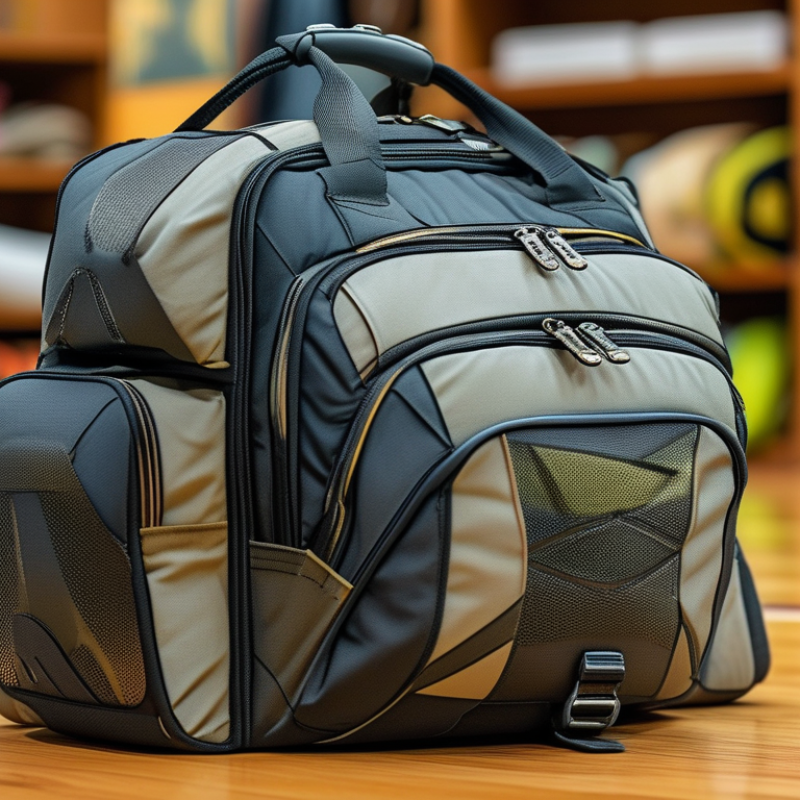
PE kit bags serve a crucial purpose for students involved in physical education. These bags are designed to carry essential items like sportswear, shoes, and any necessary equipment. A well-chosen PE kit bag ensures that students can easily access what they need for class. Durability and size matter. A sturdy bag withstands daily wear and tear, and a suitable size accommodates all essentials without being overly bulky.
In addition to functionality, the design of a PE kit bag can impact a student's organization. Many bags include separate compartments for clothing and shoes. This separation keeps items fresh and tidy. However, some bags may lack adequate space or organization features. This can lead to frustration when searching for specific items. Reflecting on these aspects can help in making better choices.
Choosing the right PE kit bag involves considering versatility and personal style. While practicality is vital, a bag that reflects a student’s identity can boost their confidence. In the end, the importance of a PE kit bag goes beyond mere convenience; it shapes the educational experience by fostering a sense of readiness and belonging.
Key Features to Consider When Choosing a PE Kit Bag
Choosing the right PE kit bag can greatly enhance your physical education experience. When selecting a bag, focus on several key features. First, consider the size. A spacious bag can accommodate all your gear, from shoes to uniforms. But be cautious; a bag that is too big can become cumbersome.
Next, look at the materials. Quality materials can protect your equipment from wear and tear. Waterproof or water-resistant options are ideal if you often face rain or spills. It’s also worthwhile to check for easy-to-clean fabrics. After a long session, your bag might need a quick refresh.
Finally, pay attention to the straps. Comfortable, adjustable straps can make a huge difference during transportation. Straps should distribute weight evenly. A poorly designed strap can lead to discomfort. Think about your daily routine. Reflect on how often you’ll use the bag and where. It’s essential to find a balance between practicality and personal style.
Why Choose the Best Pe Kit Bag for Your Needs? - Key Features to Consider When Choosing a PE Kit Bag
| Feature |
Importance |
Considerations |
| Material |
Durability |
Choose water-resistant or breathable fabric for longevity. |
| Size |
Capacity |
Ensure it can hold all necessary gear for sports activities. |
| Comfort |
Ease of Use |
Look for padded straps and ergonomic designs. |
| Compartments |
Organization |
Multiple pockets for arranging different types of equipment. |
| Design |
Aesthetic Appeal |
Choose a design that reflects personal style or school colors. |
| Price |
Budget |
Set a price range that matches your budget without compromising quality. |
| Brand Reputation |
Reliability |
Research brands known for quality PE kit bags. |
Different Types of PE Kit Bags for Various Needs
When selecting a PE kit bag, it’s crucial to understand the various types available. Each design serves specific needs based on the user’s activities and preferences. For instance, a drawstring bag is lightweight and suitable for quick trips, making it a favorite choice among students. In contrast, a backpack style offers more organization and storage, accommodating items like water bottles and sports gear efficiently.
According to industry analysis, nearly 45% of students prefer bags that offer easy carrying and quick access. This preference drives the design of many modern PE kit bags. Certain bags come with extra compartments for shoes and personal items, enhancing functionality. However, users often overlook the importance of choosing materials that resist wear and tear. A well-constructed bag not only lasts longer but also protects contents effectively.
Another aspect is customization. While many people enjoy personalizing their bags, it’s often seen as an afterthought. Investing in a bag with initial options can prove beneficial in the long run, as it encourages ownership. Moreover, reflection on the longevity and practicality of these items is necessary. A bag that seems trendy today may not serve well next season. Thus, making an informed choice is essential to meet both style and functionality.
Materials and Durability: What to Look for in a PE Kit Bag
When choosing a PE kit bag, materials and durability are crucial factors. A study by the International Sports Technology Association highlighted that bags made from high-density polyethylene (HDPE) last 50% longer than standard fabric options. This longevity is essential for active users who regularly carry gear. A durable bag can withstand friction, moisture, and heavy loads, ensuring your equipment stays secure and dry.
Look for reinforced stitching and quality zippers. These features enhance the sturdiness of the bag. Poor construction can lead to frequent repairs. An evaluation from the Sports Equipment Research Lab indicated that bags with double-stitched seams reduce wear and tear by 30%. Being aware of these details helps in making a well-informed choice.
Consider the weight of the materials too. A heavier bag might seem sturdy but can become cumbersome. Lightweight options can provide the necessary durability without the extra bulk. User reviews often point out that finding the right balance between weight and durability can be challenging. Sometimes, less expensive bags don’t hold up, causing frustration and extra costs. Investing in quality materials pays off in the long run.
Budgeting: Finding a Quality PE Kit Bag Within Your Price Range
Budgeting for a quality PE kit bag can be challenging. Many parents and students seek durability without overspending. According to industry reports, the average cost of a PE kit bag ranges from $20 to $50. However, quality varies significantly within this price range.
Focusing on materials and construction can prevent future regrets. Some bags use cheaper fabrics that tear easily. A report by the Outdoor Industry Association suggests that 30% of consumers find these bags wear out within a year. Look for features like reinforced stitching and weather-resistant materials. These elements might raise the initial price but lead to long-term savings.
It's essential to balance your budget with your needs. A cheap bag may seem appealing, but it often leads to early replacements. In contrast, investing in a slightly higher-priced option can yield better longevity. Reports show that 40% of users claim they would pay more for reliability. Assess your budget while keeping in mind the potential costs of replacing inferior bags frequently.