What is Eva Material Benefits and Applications for Buyers?
Eva Material is a versatile substance gaining traction across various industries. Experts believe it holds immense potential for buyers seeking sustainable solutions. Dr. Lisa Marshall, a leading material scientist, said, "Eva Material brings flexibility and durability to new applications." This versatility is key to its rising popularity.
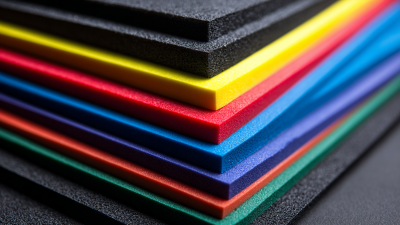
Eva Material is renowned for its lightweight properties and cushioning abilities. It is often used in the footwear industry and sports equipment. Its resilience against wear and tear makes it a favorite for manufacturers. Buyers can trust its reputation for quality and performance. However, customers must consider sourcing practices to ensure environmental impact is minimized.
As the market evolves, there are challenges. The production process of Eva Material can vary significantly. Some manufacturers prioritize eco-friendly practices while others may not. This inconsistency raises concerns. Buyers should remain vigilant and informed. A thorough understanding of Eva Material is essential for making responsible choices.

Understanding EVA Material: Composition and Properties
EVA (Ethylene-Vinyl Acetate) is a versatile copolymer known for its unique properties. The composition of EVA includes ethylene and vinyl acetate, giving it a range of beneficial characteristics. These materials exhibit excellent flexibility, transparency, and resistance to UV radiation. Research from the Plastics Industry Association shows that the demand for EVA products has surged, with the market expected to reach $7.2 billion by 2024. This shift underscores its growing importance in several industries.
The properties of EVA make it suitable for diverse applications. In the footwear industry, EVA is popular for producing lightweight and cushioning midsoles. In insulation, it acts as an effective barrier due to its low thermal conductivity. Additionally, EVA films are commonly used in solar panels, enhancing energy efficiency. According to a report by Grand View Research, EVA usage in solar applications is projected to grow by 12% annually in the coming years. These insights highlight EVA's impact on industries aiming for sustainability and performance.
However, challenges in waste management and recyclability remain. While EVA is favored for its performance, end-of-life solutions are still being explored. The need for effective recycling processes needs more attention. Balancing performance and environmental responsibility is an ongoing challenge. As industries adopt EVA, they must also consider its long-term implications on sustainability.
EVA Material Benefits and Applications
Key Benefits of EVA Material for Consumers and Manufacturers
EVA material, or ethylene-vinyl acetate, offers significant advantages for both consumers and manufacturers. Its versatility is one of its most compelling features. According to a report by Grand View Research, the EVA market is projected to reach $3.45 billion by 2025, demonstrating its increasing importance in various applications.
For consumers, EVA stands out due to its lightweight and durable nature. Sample products include shoes and sports equipment. These items benefit from EVA's shock-absorbing properties, which enhance comfort during use. Additionally, EVA is resistant to UV radiation, making it ideal for outdoor products. This ensures longevity even in harsh conditions, appealing to eco-conscious consumers looking for durability.
Manufacturers appreciate EVA for its ease of processing and cost efficiency. It can be molded and extruded effortlessly, which reduces production time. Furthermore, a study from Transparency Market Research highlights that the demand for EVA in the automotive sector is steadily rising. This is partly due to its rubber-like flexibility, which enhances safety and performance. However, its performance in extreme temperatures can vary. Adapting formulations to enhance thermal stability remains a point of consideration for ongoing development.
Common Applications of EVA Material Across Various Industries
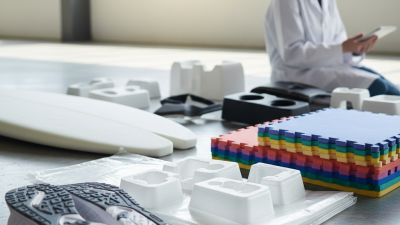
EVA (ethylene-vinyl acetate) material is gaining traction due to its versatility across a range of industries. It’s widely used in footwear, sporting goods, and packaging due to its flexibility and durability. EVA's impact resistance makes it ideal for products that require cushioning. As a result, many manufacturers choose EVA for enhancing comfort in consumer goods.
In the automotive sector, EVA is employed in sound insulation and interior components. It helps reduce noise, creating a more pleasant ride. Additionally, its lightweight nature contributes to improved fuel efficiency. EVA is also found in medical applications, including orthotic devices and protective gear, where it's valued for its soft touch and shock-absorbent properties.
**Tip:** When choosing EVA products, consider the density and thickness for optimal performance in your application. It's essential to assess the environmental impact, as not all EVA materials are recyclable. Striving for sustainability can further enhance your product's appeal.
In the construction industry, EVA serves as an effective moisture barrier and is used in roofing applications. Its resistance to UV radiation aids in prolonging the lifespan of materials. However, manufacturers must focus on the long-term sustainability of EVA, as over-dependence may lead to environmental concerns. Balancing these factors is crucial for informed decisions.
Comparative Analysis: EVA Material vs. Other Alternatives
EVA (ethylene-vinyl acetate) material is a popular choice among manufacturers due to its unique properties. Compared to alternatives like PVC or rubber, EVA offers greater flexibility and durability. According to a report by Research and Markets, the EVA market is projected to grow at a CAGR of 6.5% from 2021 to 2026, indicating its rising acceptance in various industries.
One notable advantage of EVA is its resistance to UV radiation and extreme temperatures. This makes it ideal for applications in outdoor products. In contrast, PVC can become brittle over time when exposed to sunlight. Additionally, EVA has a lower density than rubber, making it lighter and reducing shipping costs. However, it's important to consider that EVA can sometimes have lower tensile strength under heavy loads compared to some engineered plastics.
Tips: Always consider your specific requirements before choosing a material. Evaluate factors like load, weather exposure, and manufacturing processes. Testing prototypes is essential for optimizing performance.
The versatility of EVA in co-extrusion and blending opens up numerous design possibilities. Yet, it can be pricey compared to other options. Balancing cost against performance is crucial. Regular evaluations can lead to better material choices, aiding in optimized production processes.
Future Trends and Innovations in EVA Material Usage
The future of EVA material usage is poised for exciting developments. As industries seek sustainable options, EVA is becoming a popular choice for eco-friendly innovations. Its lightweight nature and flexibility make it ideal for various applications, from footwear to automotive interiors. The integration of recycled EVA into production processes is gaining traction. This not only reduces waste but also appeals to environmentally conscious consumers.
In the realm of technology, new advancements are emerging. For instance, the enhancement of EVA's thermal properties could lead to its increased use in energy-efficient applications. Manufacturers are experimenting with blending EVA with other materials to improve its durability. This could open doors for unique designs in packaging or insulation solutions. However, challenges remain. The consistency of these new blends can sometimes be unpredictable.
Moreover, as EVA becomes more mainstream, the market dynamics will shift. Businesses need to adapt to the evolving landscape. Consumer preferences will play a critical role in determining how EVA is adopted. The path ahead may not be seamless, but the potential benefits of EVA material are compelling. Innovation in this space must prioritize not only performance but also sustainability. There’s much to consider as we look toward a more versatile future for EVA materials.