Why Choose High Density Eva Foam for Your Next Project?
High Density EVA Foam has gained significant attention in various industries, from sports equipment to packaging solutions. Renowned expert in material science, Dr. Jane Thompson states, "The versatility and durability of High Density EVA Foam can revolutionize project designs." This statement underscores the profound impact this material has on product quality and functionality.
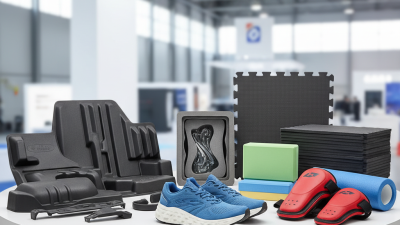
High Density EVA Foam is recognized for its exceptional strength and resilience. This material can withstand heavy usage, making it ideal for demanding applications. For example, in the athletic world, it is frequently found in high-performance footwear and protective gear. The lightweight and cushioning properties enhance comfort, encouraging better performance without adding bulk.
However, not all applications may benefit equally from High Density EVA Foam. Its cost may deter some projects, particularly smaller ones. The environmental impact of synthetic materials needs careful consideration. While it offers impressive benefits, assessing the long-term implications is crucial. Embracing this foam requires a balanced approach to ensure it meets both technical demands and sustainability goals.
Benefits of High Density Eva Foam in Various Applications
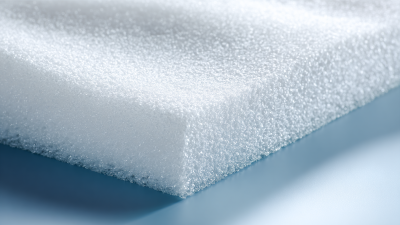
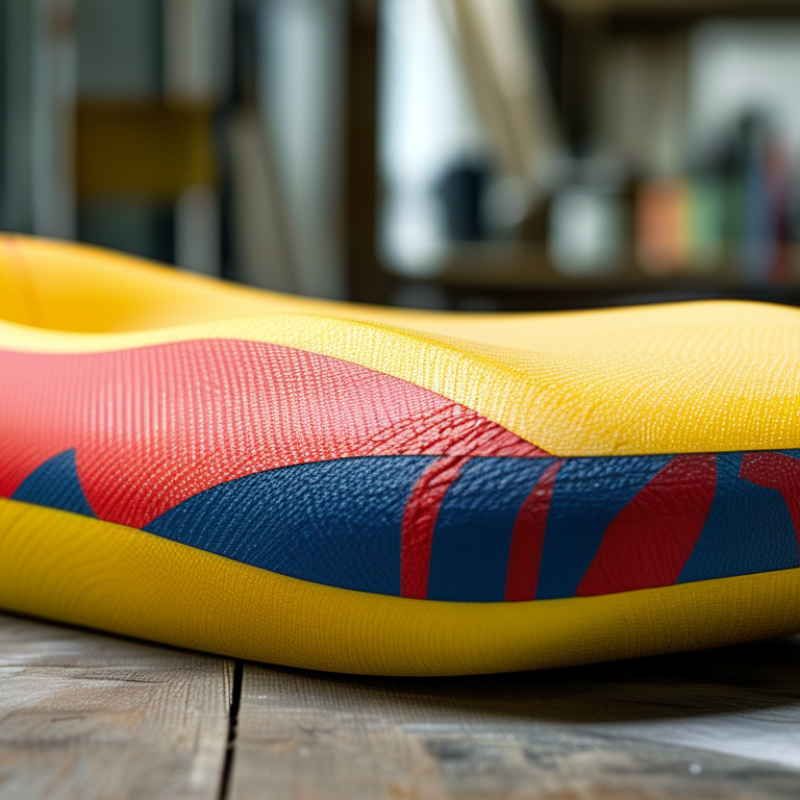
High density EVA foam is gaining traction in numerous fields, showcasing its versatile applications. This material stands out for its ability to absorb shock effectively. It serves well in flooring solutions, offering comfort beneath your feet. The closed-cell structure of high density EVA foam makes it water-resistant, a vital feature in outdoor gear and sports equipment.
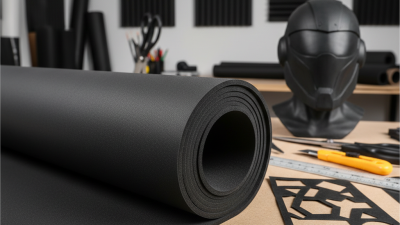
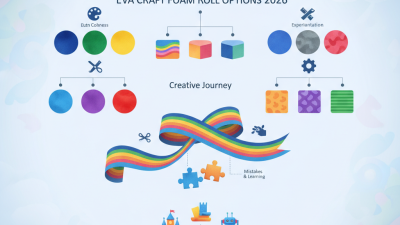
In crafts and design, its lightweight nature allows for innovative creations without compromising durability. The foam can be easily cut, shaped, and painted, making it favored among hobbyists. Yet, some users may find it challenging to achieve a perfect finish. There is also a learning curve to understanding its behavior under stress, which can lead to unexpected results in projects. Embracing these aspects can foster creativity and encourage users to explore new techniques.
Additionally, high density EVA foam is notable for its eco-friendliness. Many products today are made from recyclable materials. However, not all options are created equal. Users should research the sourcing and processing methods of the foam. This diligence ensures a truly sustainable choice for projects, allowing for a positive impact on the environment while reaping the benefits of this exceptional material.
Comparative Analysis: High Density Eva Foam vs. Other Materials
High-density EVA foam is gaining popularity among various industries due to its unique properties. It offers significant advantages over many traditional materials. When comparing high-density EVA foam to other options, factors like durability, flexibility, and water resistance stand out.
Many materials may crumble or degrade over time. High-density EVA foam, however, maintains its integrity even under stress. This is essential for projects requiring long-lasting solutions. Unlike some plastics, EVA foam is also eco-friendlier. It can often be recycled. Other materials like PVC may release harmful chemicals. High-density EVA foam is a safer alternative.
When choosing a material, consider the project’s specific needs. Think about the weight requirements and potential exposure to elements. Testing different samples can yield surprising insights. It’s essential to find a balance between affordability and quality. High-density EVA foam provides that balance. You will appreciate how it enhances functionality in your project.
Make sure to explore options and ask questions. Engaging with experts can clarify your choices. Always seek recommendations based on practical experiences. This ensures you’ll select the most suitable materials. Keep in mind that every material has limitations. Understanding these can lead to better project outcomes.
Durability and Longevity: Why High Density Eva Foam Stands Out
High-density EVA foam has gained significant attention due to its exceptional durability and longevity. Research indicates that high-density foam can withstand wear and tear for over five times longer than standard foam products. This makes it an ideal choice for applications requiring resilience, such as flooring, fitness mats, and packaging materials. The closed-cell structure of high-density EVA foam contributes to its water resistance and shock-absorbing properties, making it suitable in various environments.
Tip: Always assess the specific demands of your project to choose the right foam density.
High-density EVA foam also provides excellent thermal insulation. Testing indicates that it can retain temperature effectively, making it suitable for cooling products. This foamy champion excels in sound dampening too, absorbing vibrations and reducing noise pollution.
Tip: Consider layering different foam densities for better performance in specialized applications.
While the advantages are evident, it's essential to reflect on possible drawbacks. Sourcing high-quality high-density EVA foam can sometimes be challenging. Ensuring consistency in material quality remains a crucial factor in achieving the desired results for your project.
Cost-Effectiveness of Using High Density Eva Foam in Projects
High-density EVA foam offers remarkable cost-effectiveness for various projects.
Its lightweight nature reduces shipping costs by up to 30%. This factor lowers overall expenses significantly.
According to a recent industry report, using EVA foam can save up to 20% in material costs compared to traditional alternatives.
This material is not only economical but durable. High-density EVA foam has a lifespan of about 8-10 years.
This longevity helps avoid frequent replacements, further enhancing its cost-effectiveness. In addition, its versatility allows for diverse applications—from packaging to flooring—
making it a smart choice across industries.
Despite its benefits, some users may find it challenging to source high-quality foam.
It requires careful selection to ensure durability and performance. Additionally, while initial costs might seem higher than lower-density options,
the return on investment is often greater. Balancing quality and cost is crucial for successful projects.
Environmental Impact of High Density Eva Foam in Manufacturing
High density EVA foam has gained attention for its environmental impact in manufacturing processes. It is often praised for durability and lightweight properties. However, the ecological footprint of its production deserves scrutiny. The raw materials used may contribute to pollution if not managed properly.
EVA foam can be produced through methods that minimize waste and energy consumption. When factories adopt sustainable practices, the benefits increase. Reducing emissions during production can help lessen the overall environmental impact. It's essential to recognize, though, that not all manufacturers follow these practices.
A closer look at material sourcing and production techniques is vital.
Recycling EVA foam poses another challenge. While it can be reused, many facilities lack the proper technology for effective recycling. This leads to more waste in landfills. It's important for manufacturers to consider end-of-life strategies. As consumers, we should demand transparency about environmental efforts. The choices made today will shape future sustainability in the industry.