10 Tips for Buying PE Plastic Bags in Bulk?
Buying PE plastic bags in bulk can look simple until the first pallet arrives. A supplier may offer an attractive price, yet the bags might tear, smell strongly, or fit poorly. In practical purchasing, small details often become expensive problems.
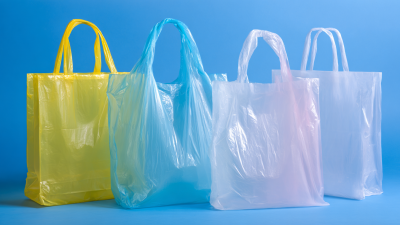
This guide presents 10 tips for buying a Pe Plastic Bag with greater confidence. It covers material quality, thickness, dimensions, sealing strength, transparency, printing, packaging, delivery, and supplier communication. A reliable buyer should request samples before approving a large order. Hold one bag under light. Stretch the film gently. Check whether the seal opens when filled with ordinary products. These basic tests reveal more than a polished product image.
Do not judge quality by price alone. Very thin bags may reduce costs but increase waste and customer complaints. However, thicker film is not always better. It can add unnecessary weight and storage expense. The correct choice depends on the product, loading conditions, and handling environment. Ask for clear specifications, including width, length, gauge, tolerance, and packing quantity. Confirm the material grade as well. Many purchasing mistakes happen because requirements remain vague. That is worth reconsidering.
Experienced suppliers should explain their testing process and provide consistent documentation. They should also answer questions directly, not hide behind general claims. Before placing a bulk order, compare samples, production timelines, defect policies, and shipping terms. A careful checklist protects both budget and supply continuity. Bulk purchasing rewards preparation, not haste.
Define Your PE Plastic Bag Requirements
Define Your PE Plastic Bag Requirements
Bulk buying starts with a precise requirement, not a low quotation. Specify bag length, width, gusset size, and thickness in microns. State the intended load, product shape, filling temperature, and storage conditions. A 50-micron bag may suit lightweight garments but fail with sharp-edged hardware. Choose LDPE for flexibility and clarity, or HDPE for stiffness and better puncture resistance. A common mistake is assuming thicker always means stronger. Resin grade and sealing quality matter too.
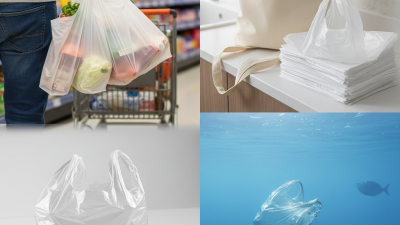
Packaging remains a major plastics application. UNEP’s Turning off the Tap report states that packaging uses about 40% of global plastic production. The OECD Global Plastics Outlook reported 460 million tonnes of plastic production in 2019, while only 9% of plastic waste was recycled. These figures make material efficiency worth measuring. Ask suppliers for recycled-content percentages, batch consistency, and test records. Confirm whether the bags require food-contact suitability, odor control, printing, or transparent inspection windows. Do not leave these details implied.
Test the finished sample before approving a large order. Check seal strength, drop resistance, puncture behavior, and dimensional tolerance. Standards such as ISO 527 can support tensile testing, while internal load tests reveal practical weaknesses. Record the result with photos and sample weights. I would also request two production samples, not one. One sample can hide variation. Local packaging and recycling requirements must be reviewed before purchase, because accepted materials and labeling rules differ by market.
Verify Supplier Quality and Production Standards
When buying PE plastic bags in bulk, supplier quality deserves more attention than a low unit price. Ask for material specifications, including polyethylene grade, thickness tolerance, bag dimensions, and seal strength. Request recent test reports or certificates of analysis for the production batch. A reliable supplier should explain how these results are measured.
Tip 1: Order samples from the actual production line, not only showroom samples. Check the bags under normal handling conditions. Stretch the film, inspect the seals, and compare dimensions with your purchase requirements. A polished sample can mislead. Small differences often become expensive across thousands of bags.
Tip 2: Review the factory’s production controls. Confirm whether operators check thickness, printing accuracy, sealing temperature, and packing counts during each shift. Ask how defective products are separated and recorded. Traceability matters. Batch numbers, inspection records, and corrective-action reports can reveal whether quality is consistent. Factory audits are useful, but they are not perfect. A scheduled visit may show an unusually tidy day. Unannounced checks or independent inspections can provide a more realistic view. Also confirm that the supplier follows applicable safety and environmental requirements for your market. Do not accept vague promises. Get measurable standards in writing, then compare delivered goods against them before approving repeat orders.
Compare Bulk Pricing, Minimum Orders, and Shipping Terms
10 Tips for Buying PE Plastic Bags in Bulk
Bulk pricing looks simple until the quotation changes with size, thickness, and printing. Compare the price per thousand bags, not only the carton price. Ask suppliers to quote identical specifications, including width, length, gauge, handle style, and packing quantity. A bag priced at $18 per thousand may seem cheaper, but inconsistent thickness can increase waste during packing. Request a sample batch before approving a large order. Small details matter.
Minimum order quantities can affect your real budget. One supplier may accept 50,000 bags, while another requires 200,000. A lower unit price is not useful if excess stock occupies your warehouse for months. Calculate storage space, expected monthly usage, and the cost of unused bags. Ask whether the MOQ applies to each size, color, or printed design. It often does. I have seen buyers overlook this condition and revise their purchase plans later.
Shipping terms deserve the same attention as the product price. Compare freight, insurance, export handling, destination charges, and estimated delivery time. Clarify whether the quote covers delivery to your warehouse or only to a port. Check carton dimensions and gross weight, because these can change freight costs sharply. Request a written production schedule and a shipment inspection point. Be cautious with unusually low quotes. They may exclude important charges, although careful comparison can still reveal genuine savings.
Confirm Samples, Customization, and Delivery Schedules
10 Tips for Buying PE Plastic Bags in Bulk?
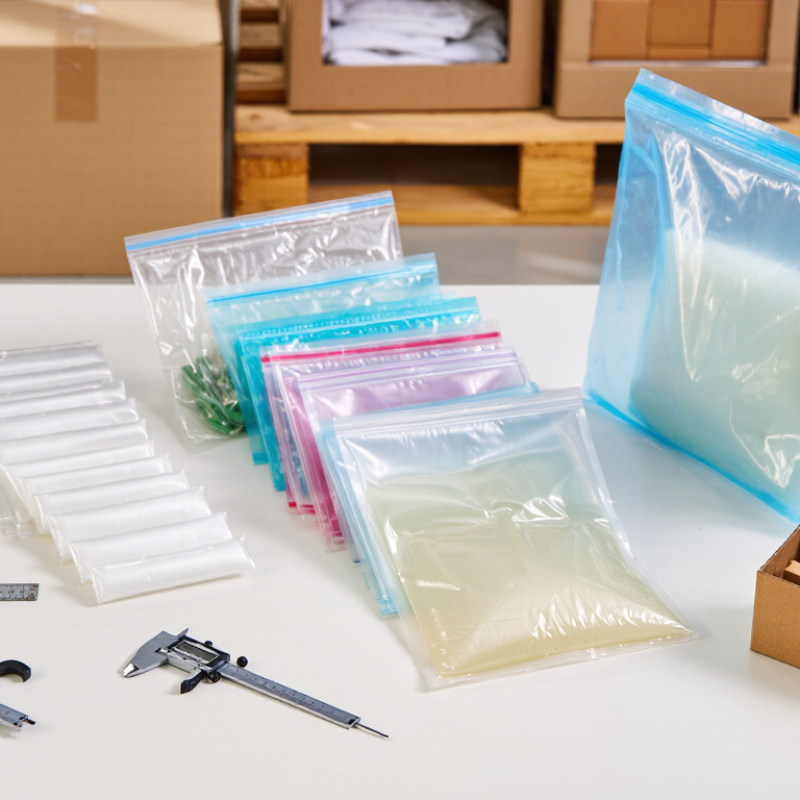
A sample should answer practical questions before a purchase order is signed. Check its length, width, thickness, transparency, seal strength, and handle comfort. Fill it with the intended product. Lift it, stack it, and leave it overnight. Look for stretching, leaks, wrinkles, or unusual odor. A sample that feels acceptable when empty may fail under real pressure. Request several samples from different production batches when consistency matters.
Customization needs written details, not casual promises. Confirm dimensions, material grade, thickness tolerance, printing colors, artwork format, and packaging method. Ask for a digital proof before production. If printing is required, inspect small text and fine lines carefully. Also confirm the minimum order quantity and any tooling charges. I once underestimated how much a minor size change affected carton space. That mistake increased handling costs. Small details become expensive in bulk.
Delivery schedules should include production, inspection, packing, and transportation time. Ask for a written timeline with clear approval deadlines. Confirm what happens if sample approval is delayed. Keep a buffer for holidays, port congestion, or material shortages. Request progress photos before shipment when the order is time-sensitive. Do not rely on one estimated date. A dependable supplier should explain possible delays and provide updated records. Your purchasing team should also check the bags immediately after arrival, because late inspection makes useful claims harder.