Top Eva Foam Distributors for Global Buyers in 2026?
In the fast-evolving landscape of 2026, the demand for Eva Foam is surging. Global buyers are looking for reliable Eva Foam distributors to fulfill their needs. These distributors play a pivotal role in the supply chain, ensuring quality and availability. With the market expanding, it becomes vital to identify the top players in the industry.
Eva Foam has diverse applications, from cushioning in sports gear to insulation in construction. As buyers prioritize quality, they seek distributors with proven expertise and a solid reputation. The best Eva Foam distributors not only offer competitive prices but also maintain high standards in product integrity. Yet, not all distributors meet these criteria consistently.
Choosing the right distributor is challenging. Some may promise more than they deliver. It's crucial to conduct thorough research. Engaging with suppliers directly can provide insights into their operations and reliability. Ultimately, informed decisions will lead to successful partnerships in the evolving Eva Foam market.
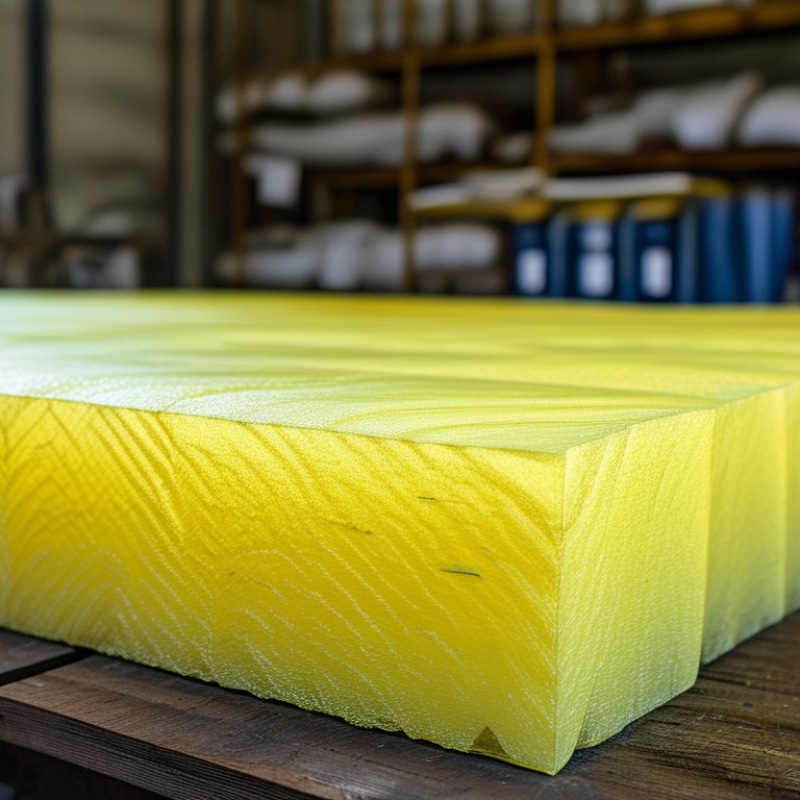
Top Trends in the EVA Foam Industry for Global Buyers in 2026
The EVA foam industry is evolving rapidly. By 2026, sustainability will be crucial. Eco-friendly materials are gaining attention. Buyers will seek options that minimize environmental impact. This shift is not just a trend; it represents a fundamental change in consumer values.
Innovation is also on the rise. Manufacturers are experimenting with new textures and designs. Unique colors and patterns will differentiate products in a crowded market. However, the challenge lies in balancing creativity and production costs. Companies must reflect on their operational efficiencies.
Additionally, health and safety standards are tightening. Buyers are becoming more informed about product safety. This awareness drives demand for high-quality EVA foam. Distributors must ensure compliance with regulations. The reliability of sourcing will become more important. Only those who adapt will thrive in this competitive landscape.
Market Share Insights: Leading EVA Foam Distributors Worldwide
In the evolving market for EVA foam, understanding the global distribution landscape is crucial. As of 2026, many distributors are positioning themselves to capture significant market share. This material is widely used in industries ranging from footwear to automotive. Leading distributors are adapting their strategies to remain competitive in this dynamic environment.
Market share insights reveal that several distributors focus on sustainability. They prioritize eco-friendly materials and production processes. This approach not only meets consumer demand but also enhances brand reputation. However, the challenge lies in sourcing sustainable raw materials consistently. Some distributors may struggle to balance quality and costs, causing variability in their product offerings.
Additionally, distributors are exploring new technologies to improve efficiency. Innovations in manufacturing can reduce waste and lower costs. Yet, adopting new technologies can be a slow process. Potential disruptions in supply chain might arise. Distributors must remain agile and responsive to market changes, as this is vital for long-term success in the EVA foam market.
Top Eva Foam Distributors for Global Buyers in 2026
| Region |
Market Share (%) |
Estimated Revenue (Million USD) |
Growth Rate (CAGR %) |
| North America |
24% |
450 |
5.2% |
| Europe |
30% |
600 |
4.8% |
| Asia-Pacific |
35% |
700 |
6.5% |
| Latin America |
6% |
120 |
3.5% |
| Middle East & Africa |
5% |
90 |
4.0% |
Impact of Sustainable Practices on EVA Foam Distribution in 2026
Sustainability is reshaping the EVA foam distribution landscape in 2026. Many distributors are now prioritizing eco-friendly practices. This shift is driven by consumer demand for greener products. Buyers today seek materials that have minimal environmental impact. The focus on sustainable sourcing is no longer optional; it is essential.
Distributors are adopting innovative recycling methods. They are working with renewable resources and minimizing waste. However, challenges remain. Not all suppliers can guarantee sustainable practices. The pressure to balance cost and sustainability can be overwhelming. Many businesses struggle to transition fully to these practices while staying profitable.
Transparent communication is crucial. Distributors need to share their methods and sustainability goals. Building trust with buyers takes time and consistent effort. In an industry facing scrutiny, ensuring honesty about practices is vital. As the market evolves, adaptability will be key to thriving in this competitive space.
Key Geographical Markets for EVA Foam: A 2026 Overview
EVA foam is gaining traction across various geographical markets. In 2026, the demand for EVA foam products will explode in North America, Europe, and Asia. Each market has unique needs and growth potential. In North America, the focus will be on athletic shoes and packaging materials. Innovative designs will likely drive demand.
Asia is set to become a powerhouse for EVA foam production. Countries like China and India are rapidly industrializing. They will need EVA foam for construction and automotive applications. The region's ability to produce high-quality, affordable foam gives it a competitive edge.
Conversely, industries in Europe may face challenges with sustainability regulations. Striking a balance between quality and eco-friendliness remains a task. The market will have to evolve to meet both consumer demands and environmental responsibility. Understanding these geographical nuances will help distributors effectively cater to local preferences. The landscape will be complex and ever-changing. Adjusting strategies will be essential for success.
Emerging Innovations Driving EVA Foam Distribution Strategies
The global EVA foam market is evolving rapidly due to innovative distribution strategies. Recent data indicates a projected growth rate of 5.7% from 2023 to 2030. This growth is fueled by increasing demand in various sectors, such as automotive and construction. Distributors are adapting their strategies by embracing technology and sustainability.
Emerging innovations play a pivotal role in reshaping EVA foam distribution. Automation in warehousing and real-time inventory management systems are enhancing efficiency. For example, companies are leveraging AI to predict market trends and streamline supply chains. Additionally, eco-friendly practices are becoming essential. A study suggests that 60% of consumers prefer sustainable products, pushing companies to rethink conventional production methods.
However, challenges persist. Not all distributors are equipped to handle these innovations effectively. Some struggle with technology adoption, while others face shortages in raw materials. There remains a gap in knowledge regarding best practices in sustainability. This leaves room for improvement. Adopting comprehensive training for staff on new tools could bridge these gaps, promoting a more resilient distribution network for the future.