Top 10 Uses of Eva Foam for Global Buyers?
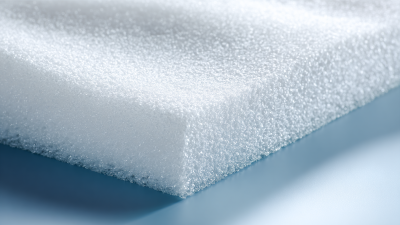
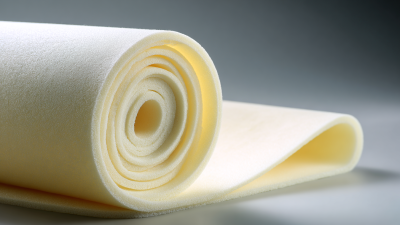
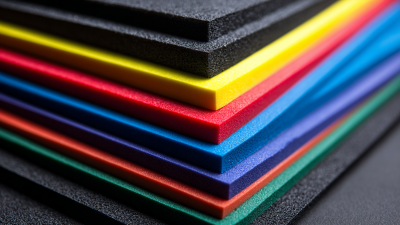
Eva Foam is a versatile material used worldwide for various applications. This lightweight foam is popular for its durability and resilience. Different industries utilize Eva Foam for diverse purposes, from sports to packaging.
One notable use is in cushioning products. Eva Foam provides excellent shock absorption for footwear and sports equipment. Its waterproof properties make it ideal for outdoor gear. The foam is also used in crafting, offering enthusiasts endless possibilities for projects.
However, not all uses are perfect. Some products may degrade over time. Buyers should consider quality when selecting Eva Foam items. Understanding the strengths and limitations of this material is essential for making informed choices.
Popular Applications of Eva Foam in Various Industries
Eva foam is rapidly gaining popularity across various industries due to its unique properties. Its lightweight and durable nature makes it ideal for packaging. According to a report by MarketsandMarkets, the global EVA foam market is expected to reach $16.03 billion by 2026, growing at a CAGR of 4.3%. This is indicative of the increasing demand for lightweight and flexible materials in consumer goods.
In the automotive sector, EVA foam is lauded for its sound and vibration dampening properties. It can be found in seals, gaskets, and insulation. A study by Grand View Research emphasizes that this material significantly reduces weight while improving comfort and durability. However, some manufacturers struggle with sourcing high-quality EVA foam that meets varying regulatory standards. This inconsistency can hinder production and lead to operational challenges.
EVA foam also plays a crucial role in the medical field. It’s used in various applications, including cushions for prosthetics, hospital beds, and even surgical mats. The healthcare sector continues to push for materials that offer both comfort and safety. While EVA foam provides these benefits, its sustainability is an ongoing concern. As regulations tighten around environmental impact, manufacturers must reflect on their sourcing and disposal practices. This ongoing evolution presents both challenges and opportunities for innovation in EVA foam usage.
Advantages of Using Eva Foam for Product Manufacturing
Eva foam has garnered considerable attention in product manufacturing due to its unique properties. This material is lightweight, durable, and provides excellent cushioning. According to a recent market analysis by Grand View Research, the global EVA foam market was valued at approximately $12.8 billion in 2022 and is expected to grow at a CAGR of 5.6% through 2030. This data indicates a robust demand for EVA foam across various industries, from footwear to automotive components.
One significant advantage of EVA foam is its resistance to UV radiation and moisture, making it ideal for outdoor products. Industries benefit from its versatility, as EVA can be molded into various shapes and densities. Studies highlight that it has a lower carbon footprint than many alternative materials, appealing to environmentally conscious manufacturers.
However, the variation in quality among suppliers necessitates careful sourcing and quality control, as not all EVA foams meet the same standards.
Despite its advantages, some challenges exist. The production process can create waste, and not all EVA products are recyclable. Manufacturers must consider these factors when choosing EVA foam for their projects. Ongoing research is essential to develop more sustainable methods. Suppliers and manufacturers are increasingly focusing on transparency in their practices to enhance trust and partnerships. This balance between innovation and responsibility is critical for long-term success in an evolving market.
Comparison of Eva Foam with Other Foam Materials
When comparing EVA foam with other foam materials, several factors come into play. EVA foam is known for its excellent cushioning properties, making it a popular choice in many applications. It is also lightweight, yet durable. Unlike polyurethane foam, which can be bulky, EVA foam maintains a slim profile while providing similar support.
Another notable difference is water resistance. EVA foam excels in this area, making it suitable for outdoor use. Meanwhile, materials like memory foam can absorb water, leading to issues over time. Additionally, EVA foam is more eco-friendly than some alternatives, appealing to environmentally conscious buyers.
The flexibility of EVA foam is a double-edged sword. It can adapt to various shapes and needs, but it may lack the firmness some users prefer. In contrast, polyethylene foam offers better structural integrity but sacrifices comfort. Understanding these nuances is essential for making informed choices. The decision ultimately hinges on specific requirements and preferences.
Innovative Uses of Eva Foam in Sports Equipment
EVA foam has transformed the landscape of sports equipment. Its lightweight nature makes it ideal for various applications. This material provides cushioning and impact resistance. Athletes benefit from reduced injuries thanks to EVA's protective features.
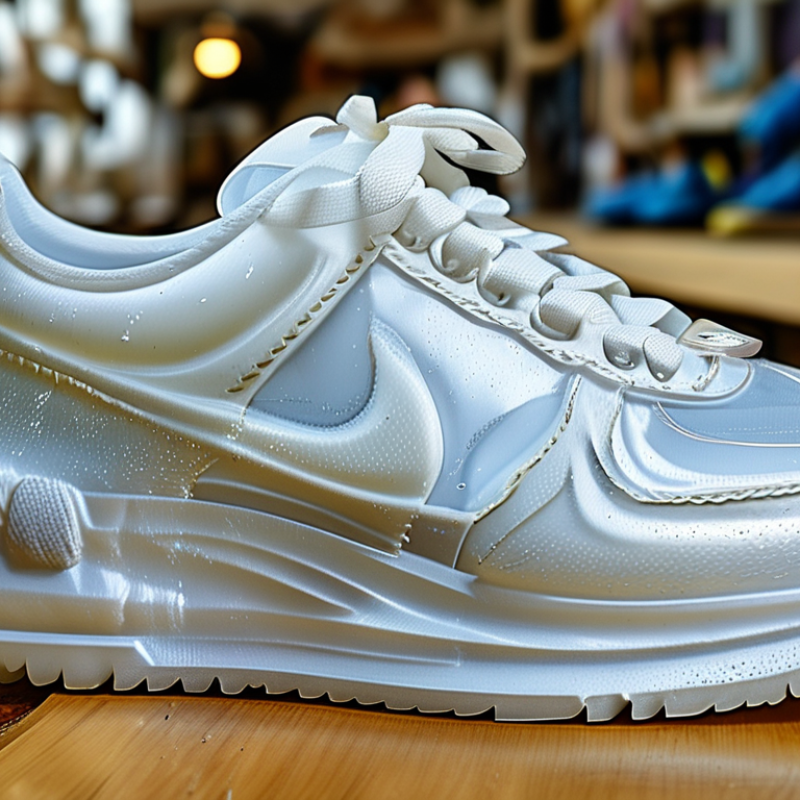
In sports footwear, EVA foam adds comfort and lightweight support. Runners often experience less strain on their feet. Additionally, EVA's shock-absorbing qualities enhance performance. In protective gear, EVA contributes to safety standards. Helmets and pads utilize this foam for optimal protection. Users appreciate its durability and flexibility, though some may overlook the need for periodic checks.
Yet, challenges remain in choosing the best EVA foam for specific sports. Not all products are created equal. Buyers need reliable information to make informed decisions. It's essential to consult experts and conduct thorough research. Finding the right balance between performance and safety is vital.
Top 10 Uses of Eva Foam in Sports Equipment
This chart illustrates the diverse applications of EVA foam in the sports equipment industry, highlighting its versatility and importance in various sports categories.
Sustainability and Environmental Impact of Eva Foam Usage
Eva foam is widely recognized for its lightweight and flexible nature, making it popular in many industries. However, its environmental impact raises important questions. Being a petroleum-based product, EVA foam's production contributes to fossil fuel consumption and greenhouse gas emissions. This is a concern for eco-conscious consumers and manufacturers alike.
Efforts to recycle and reuse EVA foam are underway. Innovative companies are exploring ways to reduce waste through creative applications. For instance, some manufacturers transform scrap foam into materials for construction and design, promoting a circular economy approach. Yet, these strides often come with challenges. Limited recycling infrastructure and consumer awareness hinder widespread adoption.
Sustainable alternatives to EVA foam are emerging. Biodegradable options offer a potential pathway towards reducing the environmental footprint. However, performance and cost-effectiveness remain vital considerations. Challenges such as these highlight the need for ongoing research and development. Balancing functionality and sustainability is no easy task, but it is essential for the future of the industry. The journey towards eco-friendly practices is complex, but awareness is a critical first step.