Leave Your Message

Why Choose Black EVA Foam Sheets Roll for Your Business?

For manufacturers, packaging teams, and product designers, material choice affects product protection, production speed, and unit cost. Black Eva Foam Sheets Roll can be cut into inserts, equipment liners, protective pads, and components for many everyday applications. A roll format may simplify storage and feeding into repeat cutting processes, while helping teams plan material use across different jobs. Small detail. Roll width, thickness, and density still determine whether it fits a particular workflow.

Black foam can give finished parts a consistent appearance and may make light marks less noticeable. Color alone, though, does not indicate quality or performance. EVA grades vary, so buyers should check technical data for density, compression behavior, thickness tolerance, and surface characteristics. Ask about adhesive compatibility if parts need bonding. If the foam will protect a specific product, test a sample with that product before ordering a large quantity. A quick trial can reveal fit issues, unwanted compression, or cutting problems that a specification sheet may not show. Still, no single grade suits every use. The best choice balances protection, ease of fabrication, supply consistency, and price. These checks take time, but skipping them can create avoidable waste. A careful comparison makes Black Eva Foam Sheets Roll a more informed business purchase, rather than simply a convenient material choice.
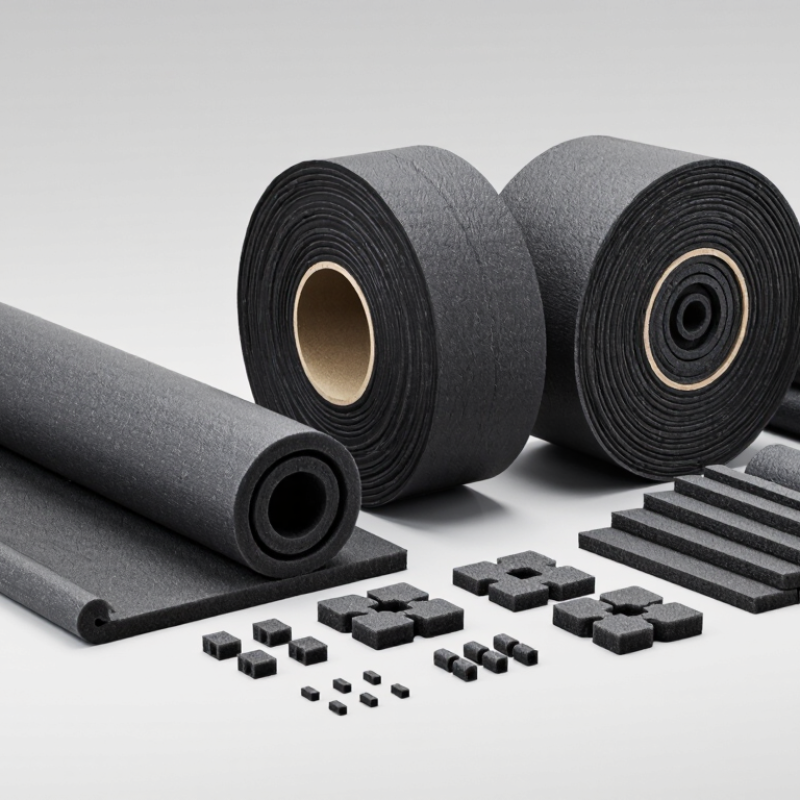
Why Choose Black EVA Foam Sheets Roll for Your Business?

What Black EVA Foam Sheet Rolls Are

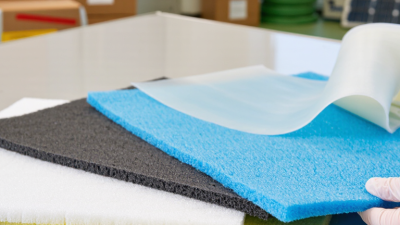
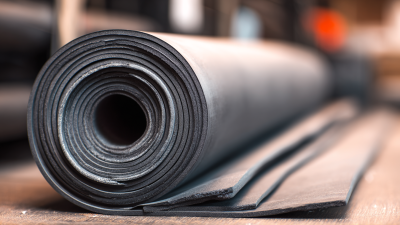
Black EVA foam sheet rolls are continuous lengths of lightweight, flexible foam made from ethylene-vinyl acetate. The material commonly has a closed-cell structure, with small cells that help provide cushioning and limit water absorption. Black is a practical, neutral color that can conceal scuffs in areas that see frequent handling.

A roll may be supplied in different thicknesses, widths, and firmness levels. Those details affect how it bends, compresses, and fits a product or work surface. A thin sheet can line a case, while thicker foam may help cushion items inside packaging. It can also be cut with ordinary workshop tools for prototypes, dividers, pads, and protective inserts. Check the product specifications before ordering; “EVA foam” alone does not tell you its density or compression behavior.

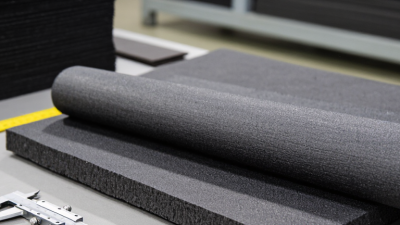
Roll format makes it easier to cut long strips or keep material on hand without storing many separate sheets. Still, a roll is not always perfectly even. It may retain a slight curl after unrolling, and firmness can vary between grades. Letting it rest flat can help with layout, though it will not correct every uneven edge. For a business, testing a small sample against the intended load and surface is a sensible step before committing to a larger quantity.
How EVA Foam Properties Support Business Needs

Black EVA foam sheets in roll form let businesses cut liners, pads, and protective inserts to fit their products. The material is lightweight and commonly made with a closed-cell structure, helping cushion impacts and resist moisture. It can also be die-cut or trimmed on site. Less scrap is possible, though careful layout still matters. Offcuts add up.

EVA performance varies with density, thickness, and formulation, so a roll should be matched to its actual job. A soft sheet may protect a fragile item but compress too much under repeated loads. Check compression recovery, thickness tolerance, and temperature limits before ordering at scale. Grand View Research’s 2023 report valued the global EVA market at USD 9.1 billion in 2022 and projected 5.4% annual growth from 2023 to 2030. That signals broad commercial use, not a guarantee that every EVA foam grade suits every application. Test a sample under real packing or production conditions. Small trials help expose weak points.

Why Choose Black EVA Foam Sheets Roll for Your Business? — How EVA Foam Properties Support Business Needs

EVA Foam Property Typical Indicative Characteristics How It Supports Business Needs Common Applications
Closed-cell structure Many EVA sheet grades use a closed-cell foam structure; exact cell size and consistency depend on the formulation and manufacturing process. Helps provide cushioning and can limit water uptake compared with open-cell foams, supporting protective packaging and reusable products. Protective inserts, equipment padding, craft products, and packaging components
Density options Commercial sheet grades are available in a range of densities, often roughly 30–250 kg/m³; confirm the specific grade with the supplier. Allows a business to balance weight, firmness, cushioning, and material cost for different product requirements. Lightweight packaging, mats, footwear components, and industrial padding
Shore hardness Hardness varies by grade and test method; EVA foam is available from soft, flexible grades to firmer, more supportive grades. Different firmness options can help tailor comfort, impact absorption, and support without changing the basic sheet format. Flooring underlays, sports padding, shoe insoles, and tool organizers
Compression and cushioning Compression response and recovery depend on density, thickness, formulation, and loading conditions. Can help cushion products during handling and transport; sample testing is recommended when repeated compression or precise protection is required. Transit packaging, cases, protective liners, and work-area mats
Moisture resistance Closed-cell EVA foam is generally resistant to water absorption, but performance varies by grade, edges, and exposure conditions. Can suit products used in damp environments or where easy cleaning is valuable; it should not be treated as a guaranteed waterproof seal. Marine accessories, gym products, outdoor equipment, and washable padding
Thermal insulation EVA foam can provide thermal insulation; conductivity depends on density, cell structure, temperature, and test method. May help reduce heat transfer in products where lightweight insulation is useful, subject to application-specific testing. Protective covers, equipment liners, and temperature-buffering packaging
Cutting and fabrication Sheets and rolls can generally be cut, laminated, or die-cut using suitable equipment; tooling and finish depend on thickness and grade. Supports repeatable component production and can reduce material handling steps when roll or sheet dimensions suit the workflow. Custom gaskets, inserts, pads, display components, and craft pieces
Black color Black is a common color option; shade consistency and surface finish can vary between production batches. Offers a neutral appearance that can conceal some everyday marks and coordinate with many product designs. Automotive interiors, tool storage, sports goods, and equipment protection
Thickness and format choices Available thicknesses and roll or sheet dimensions depend on the supplier and grade. Choosing a suitable format can help reduce offcuts, simplify storage, and match production equipment. High-volume converting, packaging lines, fabrication shops, and product assembly

Note: These characteristics are general guidance, not guaranteed specifications. Actual performance depends on the EVA grade, manufacturing process, dimensions, and test method. Request a technical data sheet and evaluate samples against your application requirements.

Where Black EVA Foam Rolls Are Commonly Used

Black EVA foam rolls are commonly used to line tool drawers, storage cases, and equipment boxes. A cut-to-fit layer helps keep hand tools from sliding and reduces scuffs during routine handling. For delicate instruments, users often cut individual pockets rather than rely on one flat sheet.

Measure the case interior first. A few millimeters of error can leave gaps or make the lid difficult to close.

In workshops and shipping areas, rolls can serve as protective padding between parts or beneath items on a workbench. They also appear in craft projects, display backing, and exercise areas where a resilient surface is useful. Choose thickness and firmness for the actual load: soft foam may cushion light objects, while heavier items can compress it over time.

Test a small piece if the foam will meet paint, adhesive, or a finished surface; compatibility can vary. Black hides many marks, but it also makes small cuts harder to spot.

That detail is easy to miss.

For repeated use, check the foam periodically for dents, tears, or a flattened feel, and replace sections that no longer provide enough support.

What Business Advantages Black EVA Foam Can Offer

Why Choose Black EVA Foam Sheets Roll for Your Business?

Black EVA foam offers practical advantages beyond its clean, uniform appearance. Supplied in rolls, it can be cut into liners, pads, inserts, or protective layers with less handling of individual sheets. That can help small teams maintain a steady workflow. Easy to overlook, but useful.

Its business relevance sits within a growing material market. Grand View Research estimated the global ethylene-vinyl acetate market at US$11.2 billion in 2022 and projected a 6.3% compound annual growth rate from 2023 to 2030. This figure covers EVA broadly, not black foam alone, so it signals wider material demand rather than guaranteed sales for any product. For buyers, EVA’s cushioning and flexibility can support packaging, sports goods, and equipment protection, depending on formulation and thickness.

Black surfaces can make scuffs less visible and give finished parts a consistent look. Roll format may also reduce offcuts when the required dimensions suit the job. Still, EVA grades differ. A roll that feels firm in the showroom may compress too much under repeated loads. Request density, hardness, and compression-set data, then test samples in the actual application. Check cutting waste, too; the cheapest roll is not always the best value.

How to Choose the Right Roll for Your Application

Choosing the right black EVA foam roll starts with the job it must do. Measure the available space, then check the required sheet width and thickness. A roll that is too narrow creates extra seams; one that is too thick may prevent parts from fitting properly. Small details matter.

Match foam firmness to the expected load. Softer foam can cushion lightweight items, while firmer foam may better support parts that need to stay in place. Density and thickness are not interchangeable, so ask suppliers for specification data rather than judging by appearance alone. Check the surface, too. A smooth face may suit clean, precise cutting, while textured foam can offer more grip. Consider whether the material will face repeated compression, moisture, or temperature changes. These conditions can affect performance.

Test before ordering a large quantity. Cut a sample with the tools used in production, place it in the intended application, and check how easily it compresses and recovers. Leave it under load if that reflects actual use. A quick test helps. It is not perfect, though; real conditions may vary across a full production run. Record the roll dimensions, firmness, and sample results so future orders can be compared consistently.