2026 Best Eva Foam Suppliers for Global Buyers?
As the demand for high-quality materials continues to rise, Eva Foam has emerged as a popular choice among global buyers. Known for its durability, flexibility, and lightweight nature, Eva Foam is widely used in various industries, including footwear, sports equipment, and packaging. However, not all suppliers offer the same level of quality. This presents both challenges and opportunities for businesses seeking reliable sources.
As we look ahead to 2026, identifying the best Eva Foam suppliers is crucial. A strong supply chain ensures product consistency and customer satisfaction. Buyers must engage with experienced suppliers who understand market demands and can deliver superior materials. However, navigating this landscape can be daunting.
Many suppliers may claim excellence but fail to meet expectations. Therefore, buyers should focus on suppliers with proven track records and transparent practices. By doing so, they can avoid potential disappointments and make informed decisions about their Eva Foam needs.
Overview of EVA Foam and Its Applications in Various Industries
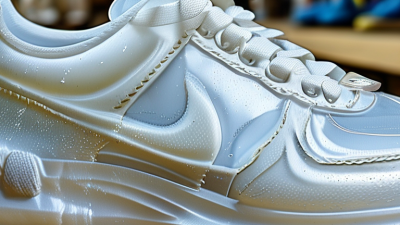
EVA foam, or ethylene-vinyl acetate foam, is a versatile material found in multiple industries. Its softness and durability make it ideal for a range of applications, including sports equipment, automotive interiors, and packaging. According to recent data, the global EVA foam market was valued at approximately 9 billion USD in 2021, with projections to grow steadily in the coming years.
In the automotive sector, EVA foam serves as a cushioning material that absorbs impact, enhancing safety features. Reports indicate that about 30% of the EVA foam produced is utilized in this industry. Additionally, its moisture-resistant properties make it suitable for outdoor sporting goods, contributing to athletes' performance and safety.
While EVA is celebrated for its lightweight and flexible attributes, concerns regarding environmental impact persist. The recyclability of EVA foam remains a topic of debate. Innovations are needed to improve its lifecycle management. Regulatory scrutiny is increasing, pushing manufacturers to seek sustainable alternatives without compromising quality. Striking a balance between durability and ecological responsibility is an ongoing challenge for the industry.
Criteria for Selecting the Best EVA Foam Suppliers Globally
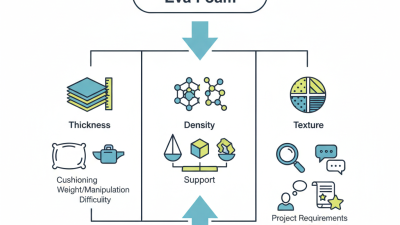
Selecting the right EVA foam supplier is crucial for many industries. Buyers should prioritize suppliers that meet specific criteria, ensuring reliability and quality. One significant factor is material quality. High-grade EVA foam shows better resilience and longevity. Reports indicate that suppliers offering certified materials, like those compliant with ISO standards, tend to have lower defect rates.
Customer support is another key aspect. Suppliers should provide ample assistance throughout the order process. Research shows that suppliers with dedicated customer service teams can enhance the buyer's experience significantly. This attention often leads to better communication and timely deliveries. Transparent pricing also plays a vital role. Buyers often overlook hidden costs that can arise during production and shipping.
Furthermore, geographic location matters. Proximity to major markets can reduce shipping time and costs. A study highlighted that suppliers located near industrial hubs often outperform others in fulfillment speed. However, buyers need to reflect on the balance between cost and quality. Frequently, the cheapest options may not meet the desired standards, leading to long-term consequences. Evaluating these factors thoroughly ensures finding a reputable EVA foam supplier in today's competitive market.
2026 Best EVA Foam Suppliers for Global Buyers
| Supplier Location |
Production Capacity (MT/year) |
Quality Certifications |
Customer Support |
Pricing Competitiveness |
| Asia |
5000 |
ISO 9001, ISO 14001 |
24/7 Support |
Competitive |
| Europe |
3000 |
CE, REACH |
Business Hours |
Moderate |
| North America |
7000 |
ISO 9001, ASTM |
24/5 Support |
Premium |
| South America |
1500 |
ISO 14001 |
Limited |
Affordable |
Top EVA Foam Suppliers: A Regional Breakdown
EVA foam has gained tremendous traction across various regions. It’s known for its versatility, durability, and lightweight properties, making it a popular choice in multiple industries, including sports, automotive, and consumer goods. According to industry reports, the global EVA foam market is projected to reach $4.5 billion by 2026, driven by increasing demand for lightweight materials.
In North America, the automotive sector stands out as a key driver. The growth of electric vehicles calls for lightweight, energy-efficient components. Furthermore, the construction industry relies heavily on EVA foam for insulation and shock absorption. The Asia-Pacific region, particularly China and India, is booming. A report indicated that these countries are witnessing a surge in manufacturing, significantly boosting EVA foam production capabilities.
While the market is on an upward trend, challenges persist. Quality control and consistency remain concerns for suppliers. Variations in production processes can result in differing foam densities and durability. This inconsistency could affect end-products, making it essential for global buyers to vet suppliers carefully. Investing in quality assurance and establishing long-term relationships with suppliers can mitigate these risks. Understanding regional differences in material standards can also enhance reliability.
Key Features and Advantages of High-Quality EVA Foam Products
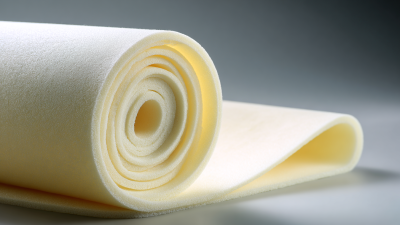
EVA foam has gained popularity due to its versatility and unique properties. It is lightweight, durable, and offers excellent cushioning. This makes it ideal for various applications, including sports, automotive, and construction. According to the Global EVA Foam Market report, the demand for EVA foam is expected to grow at a CAGR of 6.3% from 2021 to 2026. This growth highlights its significant role in multiple industries.
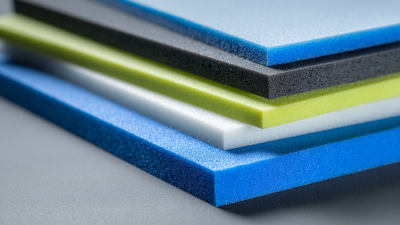
High-quality EVA foam products possess key features that set them apart. They are resistant to water and chemicals, ensuring longevity and reliability. Additionally, they typically have better elasticity and recovery compared to lower-grade materials. Research from the International Journal of Polymer Science indicates that EVA foam can withstand repeated compression without significant deformation. However, companies need to evaluate suppliers closely to ensure they meet these standards. Not all foam products on the market maintain these high-quality features.
Despite the advantages, the industry faces challenges. Variability in production methods can lead to inconsistencies in foam quality. It's essential for manufacturers to adopt rigorous quality control processes. The reliance on recycled materials can further complicate the consistency of EVA foam products. This underlines the importance of selecting suppliers that prioritize quality assurance and transparency.
Future Trends in EVA Foam Supply Chain and Manufacturing Practices
The EVA foam supply chain is experiencing significant changes. Many manufacturers face challenges in sourcing raw materials. The recent report by the International Polymer Association indicates that the demand for EVA foam is set to grow by 5% annually. This growth is driven by the increasing applications in the automotive, footwear, and sports industries. Companies must adapt to this rising demand while ensuring quality and sustainability remain a priority.
Emerging trends include the adoption of eco-friendly practices. More suppliers are exploring biodegradable options to meet consumer preferences. The shift towards sustainability is not just a trend; it is becoming a market requirement. According to a Survey by Green Industry Solutions, 68% of manufacturers now prioritize sustainable materials. However, transitioning to greener alternatives can introduce complexities in the supply chain and production processes.
Digital transformation is another focal point. Implementing advanced technologies, like AI and big data analytics, can optimize manufacturing efficiency. However, many suppliers struggle with integrating these technologies. The report by the Global Manufacturing Forum highlights that only 40% of companies have successfully adopted these innovations. Thus, while the future looks promising for EVA foam manufacturing, significant hurdles must be navigated for sustained success.