Leave Your Message

10 Best PE Kit Bags for School Sports?

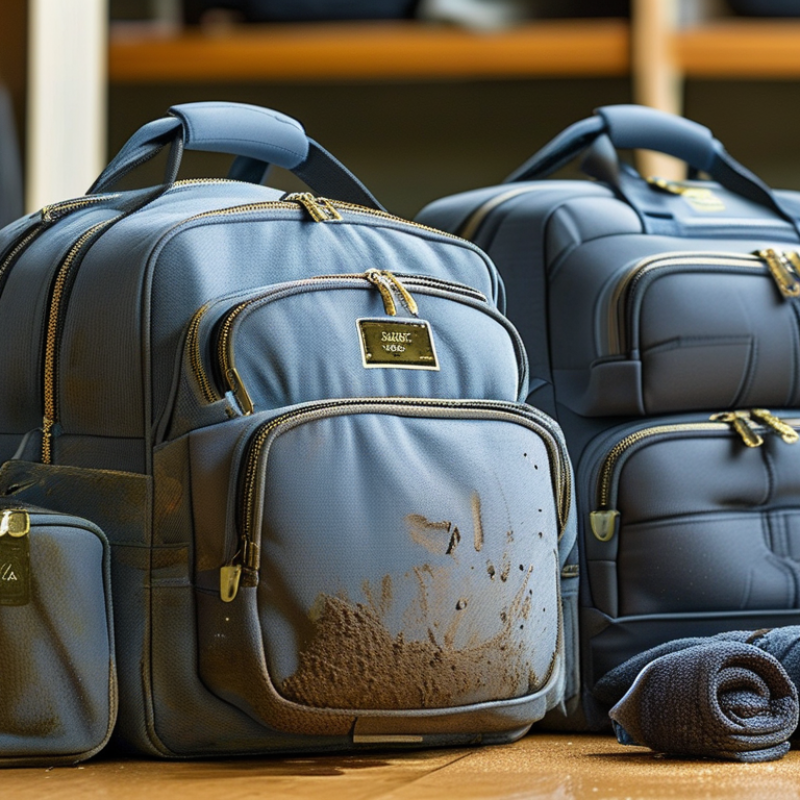
Choosing the right Pe Kit Bag can make school sports days easier, cleaner, and less stressful. A reliable bag should carry trainers, a uniform, towel, water bottle, and small personal items without feeling bulky. It should also survive crowded lockers, muddy pitches, wet changing rooms, and repeated washing. Small details matter. Strong zips help. Comfortable straps matter too.

This guide reviews ten practical options for school sports, focusing on durability, storage, comfort, safety, and value. Each choice is considered against everyday needs rather than appearance alone. We look at fabric strength, ventilation, waterproof features, name-label space, and easy-clean surfaces. Product specifications and user feedback can reveal useful patterns, although neither source is perfect. Some bags look spacious but lose shape when filled. Others feel sturdy but offer poor ventilation after a rainy match. That difference is easy to miss online.

A good school sports bag should suit the student, the activity, and the school’s storage rules. Younger pupils may need lightweight designs with simple compartments. Older students might prefer a larger duffel with separate shoe storage. There is no universal winner. Even the best option may have a weakness. This comparison aims to make that weakness clear, so families can choose confidently and avoid paying for features they will rarely use.
10 Best PE Kit Bags for School Sports?

What to Look for in a Reliable School PE Kit Bag

10 Best PE Kit Bags for School Sports?

A reliable school PE kit bag should survive wet changing rooms, crowded lockers, and hurried journeys home. The Sports & Fitness Industry Association’s 2024 Topline Report recorded 242.6 million Americans participating in sport, fitness, or recreation in 2023. That scale highlights regular equipment use, even for younger athletes. Choose tough polyester or recycled fabric with reinforced stitching. A water-resistant base helps when the bag sits beside muddy pitches. It is not fully waterproof, though. That distinction matters.

Look for a wide opening, separate shoe compartment, and washable lining. A child should find a pair of trainers without emptying everything onto the floor. Ventilation panels can reduce damp odours after a sweaty lesson. Adjustable shoulder straps should feel padded, not sharp against the neck. The American Academy of Pediatrics recommends keeping loaded bags below 10% to 15% of body weight. Therefore, avoid oversized designs that invite unnecessary packing. A name label and reflective detail improve everyday practicality. Zips should open smoothly with cold or wet fingers. Small details matter.

I have found that simple bags often last longer than complicated ones. Extra pockets can become cluttered and hard to clean. Check the seams before buying. A neat appearance can still hide weak construction. Ask whether the fabric, lining, and straps can be washed safely. Some manufacturers provide little testing information, which deserves caution. A dependable PE bag should be comfortable, repairable, and easy for a child to manage independently.
How We Evaluate Bags for Comfort, Storage, and Durability

10 Best PE Kit Bags for School Sports?

How We Evaluate Bags for Comfort, Storage, and Durability

A good PE kit bag should feel manageable before it carries any equipment. I test each bag with trainers, a towel, sportswear, and a water bottle. Then I walk with it for ten minutes. Padded shoulder straps, breathable back panels, and balanced weight matter immediately. Thin straps can dig into the shoulder, especially when the bag is full. A wide opening also helps students find clothing without emptying everything onto the floor.

Storage needs practical organisation, not just a large compartment. I check whether wet kit can stay separate from clean clothing. Zipped side pockets should hold keys or small personal items securely. Reflective details may improve visibility during darker journeys, though they should not replace careful road awareness. Internal labels and simple compartments are useful, but too many pockets can waste space. Bigger is not always better.

Durability receives repeated attention. I inspect stitching, zip movement, base fabric, and handle attachment points. The bag should stand on a gym floor without immediately absorbing dirt or moisture. I also load it heavily and lift it by different handles. My first impression is not always correct. A stylish bag once felt strong, but its strap stitching looked less convincing after testing.

Tips: Choose washable fabric and check the size against the child’s torso. Leave room for a towel, but avoid excessive weight. Test every zip before purchase. Small details matter.

Ten Top PE Kit Bags for Different School Sports Needs

10 Best PE Kit Bags for School Sports?

Choosing a PE kit bag depends on the sport, timetable, and changing-room routine. My ranking is practical, not absolute. No single bag suits every student.

A compact drawstring bag works well for athletics, where students carry light clothing and running shoes. A ventilated duffel suits football, especially after muddy outdoor sessions. A waterproof roll-top bag protects swimming towels and damp kit. A separate shoe bag helps basketball players keep court soles clean. A structured backpack distributes the weight of tennis clothing, water, and small equipment. It feels easier on crowded school buses.

A wide-mouth holdall is useful for rugby, with space for boots, padding, and spare layers. A small shoulder bag fits dance classes, where flexibility and quick access matter. A racket-shaped sports bag protects badminton or tennis equipment, although it may waste space for ordinary clothes. A reinforced hockey bag handles sticks and heavier protective gear, but it can become awkward in narrow lockers. A lightweight mesh bag suits gymnastics because it allows air around leotards and grips. Check every zip and strap.

Look for washable fabric, strong stitching, labelled compartments, and comfortable handles. Reflective panels improve visibility during winter travel. Avoid oversized bags; students often carry more than they need. I would also measure the locker before buying. That small step is easy to miss, and a perfect bag becomes frustrating when its shape does not fit.

Comparing Materials, Sizes, Designs, and Practical Features

10 Best PE Kit Bags for School Sports?

Choosing among the ten best PE kit bags depends on daily use, not appearance alone. Dense polyester resists light rain and rough changing-room floors. Nylon feels lighter, but thin fabric can tear around stressed seams. Canvas looks sturdy and softens nicely, though it becomes heavy when wet. I prefer reinforced stitching, smooth zippers, and a washable lining. Small details matter.

For most pupils, a 20 to 30-litre bag holds a shirt, shorts, towel, trainers, and a water bottle. Younger children may need less volume. A wide opening makes packing easier after a rushed lesson. Separate shoe compartments protect clean clothes from muddy soles. A ventilated panel can reduce odour, although it cannot replace regular washing. A water-resistant pocket also helps protect phones and locker keys.

Design should support movement. Padded, adjustable shoulder straps prevent uncomfortable pressure, while a short grab handle helps during crowded school mornings. Reflective details improve visibility near roads, but they are not a substitute for safe supervision. I once valued extra pockets too highly; they added weight and encouraged clutter. A simpler layout can work better. Still, every child packs differently, so the “best” size is not universal. Test the straps with a full load. That reveals weak buckles quickly.

10 Best PE Kit Bags for School Sports? - Comparing Materials, Sizes, Designs, and Practical Features

Rank Bag Type Main Material Approx. Capacity Typical Dimensions Approx. Weight Practical Features Best For Overall Score
1 Classic Drawstring PE Bag Lightweight polyester 10–12 L 45 × 34 cm 150–220 g Cord shoulder straps, compact foldable design, easy wipe-clean surface Daily school PE lessons and younger pupils 9.2/10
2 Ventilated Shoe-Compartment Bag 600D polyester 18–25 L 45 × 25 × 22 cm 500–750 g Separate ventilated footwear pocket, carry handles, adjustable shoulder strap Students carrying trainers and damp sportswear 9.0/10
3 Water-Resistant Sports Backpack Coated polyester or nylon 20–28 L 46 × 30 × 18 cm 600–900 g Padded back panel, dual shoulder straps, water-resistant finish, internal organiser Cycling or walking to school in changeable weather 8.9/10
4 Compact Barrel Kit Bag Polyester with reinforced base 25–35 L 48 × 25 × 25 cm 550–850 g Wide top opening, detachable shoulder strap, reinforced bottom, side pocket Older pupils with larger PE uniforms and towels 8.7/10
5 Expandable School Sports Backpack Ripstop nylon 18–30 L 45 × 30 × 16–24 cm 550–850 g Expansion zip, laptop sleeve, reflective trim, padded shoulder straps Students combining school books with PE equipment 8.6/10
6 Waterproof Wet-and-Dry Kit Bag PVC-coated polyester 15–25 L 42 × 25 × 24 cm 650–950 g Wipe-clean lining, roll-top or zipped closure, sealed seams, separate wet pocket Swimming lessons and outdoor sports in wet conditions 8.5/10
7 Mesh Ventilation Kit Bag Polyester mesh with fabric panels 12–20 L 43 × 30 × 18 cm 250–450 g Airflow panels, lightweight construction, drawcord or zip closure, fast drying Short PE sessions and warm-weather sports 8.3/10
8 Convertible Tote-Backpack Recycled polyester or canvas 18–26 L 44 × 34 × 18 cm 500–800 g Convertible straps, grab handles, internal divider, name-label area Students who need flexible carrying options 8.1/10
9 Extra-Large Team Kit Holdall Heavy-duty polyester 35–50 L 58 × 30 × 30 cm 850–1,300 g Large U-shaped opening, reinforced handles, end pockets, detachable strap Fixtures, tournaments, and multiple changes of clothing 8.0/10
10 Eco-Friendly Cotton Kit Bag Cotton canvas 10–16 L 42 × 34 cm 250–450 g Reusable fabric construction, broad shoulder cords, printable name panel Light PE loads and families prioritising reusable materials 7.8/10

Note: Capacity, dimensions, and weight are typical ranges for each bag category. Actual specifications may vary by construction, fabric thickness, and compartment layout.

Choosing the Right PE Kit Bag for Everyday School Use

Choosing the Right PE Kit Bag for Everyday School Use

A good PE kit bag must survive ordinary school routines, not just sports day. I have found that comfort, ventilation, and easy cleaning matter more than appearance. A bag should fit a shirt, shorts, socks, trainers, and a water bottle without becoming bulky. Check the stitching and zip carefully. Weak seams often fail first.

The ten most practical choices include

  1. a lightweight drawstring bag for short journeys.
  2. A ventilated duffel helps damp clothes breathe.
  3. A backpack distributes weight more evenly.
  4. A shoe-compartment bag keeps muddy trainers away from clean kit.
  5. A waterproof bag protects belongings during rainy walks.
  6. A locker-friendly rectangular bag saves space.
  7. An expandable bag suits changing kit needs.
  8. A reflective bag improves visibility on darker afternoons.
  9. A washable fabric bag handles regular school use.
  10. A personalised colour or label helps prevent mix-ups.

Small details affect daily comfort.

Padded straps can reduce shoulder pressure, especially when books are carried too. Look for a wide opening, because narrow openings make packing frustrating. Internal pockets hold keys and small essentials securely. Avoid excessive compartments if younger pupils struggle to remember them.

I once chose a stylish bag with poor airflow, and the smell became noticeable after one wet kit session. That mistake changed my priorities.

No bag is perfect. The best option balances size, durability, cleaning, and the pupil’s actual journey to school.