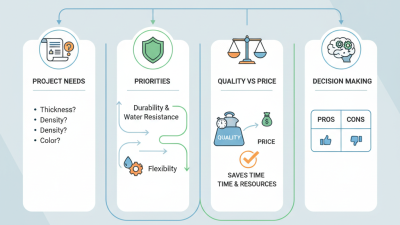
China Top PE Plastic Bag Manufacturers for Global Buyers
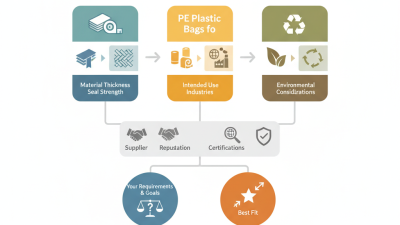
Choosing reliable China suppliers requires more than comparing catalog prices. Global buyers need clear specifications, stable production, responsive communication, and evidence of quality control. This guide introduces leading China Pe Plastic Bag manufacturers and explains how to assess their capabilities before placing an order. Product details matter: resin grade, bag thickness, dimensions, sealing strength, printing accuracy, packaging, and expected order volume can all affect final performance.
Practical supplier evaluation should include factory experience, production equipment, sample testing, and inspection procedures. A dependable manufacturer should explain its material sources and provide consistent specifications across batches. Relevant certifications, such as ISO 9001 or applicable food-contact documentation, may support purchasing decisions. However, certificates should be checked for authenticity and suitability for the destination market. Compliance requirements differ between countries, so buyers must confirm current regulations independently.
A low price can look persuasive. Sometimes, it is not.
Requesting samples can reveal weak seals, uneven thickness, or blurred logos before mass production begins. Buyers should also discuss lead times, payment terms, corrective actions, and communication after delivery. These details often separate a convenient supplier from a costly problem. No manufacturer fits every project. A small importer may value flexible customization, while a distributor may prioritize high-volume consistency. This article offers a practical starting point, not a substitute for due diligence. Real purchasing decisions still require factory verification, written agreements, and careful inspection. Mistakes happen, even with experienced suppliers. The goal is to reduce surprises and build a dependable long-term supply relationship.
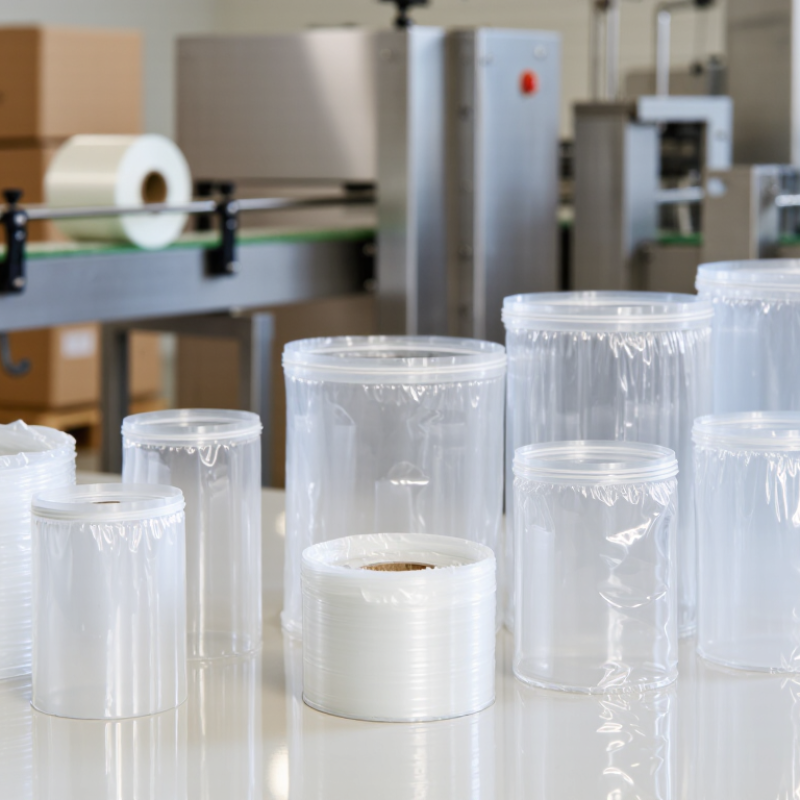
PE Plastic Bag Manufacturing in China: An Industry Overview
China’s PE plastic bag industry serves retail, logistics, food packaging, agriculture, and industrial distribution. Most factories use LDPE, HDPE, or blended polyethylene resins. Each material creates different strength, softness, clarity, and sealing performance.
The manufacturing line often starts with resin drying, blending, and blown-film extrusion. Heated pellets become a thin plastic tube, which is cooled, flattened, and wound into rolls. Converting machines then cut, seal, punch handles, or add gussets. Flexographic printing can apply simple graphics and product information. A capable plant checks film thickness, seal strength, tensile performance, and puncture resistance during production.
Small details matter. A two-micron thickness variation may affect bag capacity and tear resistance. Poorly adjusted sealing temperature can create weak corners. The process is efficient, but not flawless. Experienced manufacturers keep resin batch records, production samples, inspection reports, and shipment photos. They should also explain recycled-content sources and confirm whether materials meet the buyer’s intended application. Food-contact projects require separate testing and documentation.
Quality control should not stop at the factory gate. Buyers can request pre-production samples, approved specifications, carton measurements, and independent inspection. Clear drawings prevent misunderstandings about dimensions, handle shape, color, and packing quantity. Communication remains a challenge. Some suppliers promise more than their equipment can consistently deliver. Careful verification is still necessary.
Types of PE Plastic Bags Available from Chinese Manufacturers
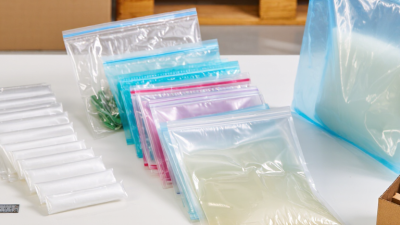
Chinese manufacturers supply several PE plastic bag formats for global buyers. Common options include flat bags, gusseted bags, drawstring bags, zipper pouches, courier bags, and T-shirt shopping bags. LDPE offers softness and clarity, while HDPE provides stiffness and a crisp texture. LLDPE is often selected when stronger seals and better puncture resistance matter. Practical factory audits show that resin grade, film thickness, and sealing temperature can change performance more than appearance suggests.
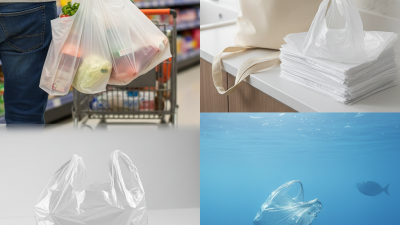
Packaging remains PE film’s largest commercial application. The OECD Global Plastics Outlook reported 460 million tonnes of global plastic production in 2019, with packaging representing the largest share of plastic waste. This explains the demand for lightweight roll bags, produce bags, refuse sacks, and shrink film from Chinese suppliers. Smithers’ flexible packaging research also identifies barrier performance, downgauging, and recyclable structures as major market priorities. Still, thinner is not always better. A weak seam can ruin an otherwise attractive bag.
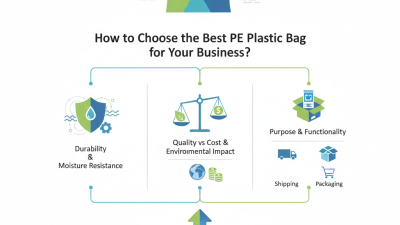
Buyers should match bag type with loading weight, moisture exposure, printing needs, and transport conditions. Zipper bags suit repeated opening, while gusseted bags hold bulky products more efficiently. Courier bags usually use opaque coextruded film and tamper-evident seals. Manufacturer data should include gauge tolerance, tensile strength, seal strength, and migration testing where food contact applies. Certification claims deserve verification. A sample may pass easily, yet full production can vary. That is an uncomfortable but important reality.
Production Standards, Quality Control, and Customization Options
China’s PE plastic bag manufacturers increasingly compete through process discipline, not price alone.
A practical factory audit checks resin certificates, calibrated film gauges, clean production zones, and batch traceability. ISO 9001-based procedures can support consistency, but certification alone proves little. A certificate is not proof of every shipment.
Quality control should cover the full production line. Operators test thickness at several points across the film roll. They also inspect tensile strength, elongation, seal strength, dimensions, odor, and printing adhesion.
Sampling plans should follow recognized standards, such as ISO 2859-1, with results linked to production batches. The OECD Global Plastics Outlook reported 353 million tonnes of plastic waste in 2019, while only 9% was recycled. This makes material efficiency and responsible waste handling commercially important, not merely environmental slogans.
Customization can include bag width, length, gusset depth, handle design, transparency, color, closure type, and print coverage.
Buyers should define tolerances before tooling begins. Recycled PE content may reduce virgin resin use, but it can affect clarity, strength, and sealing behavior. Testing is essential.
The UNEP report Turning off the Tap identifies packaging as a major area for reducing plastic pollution. However, production targets sometimes overlook factory-floor variation. A strong supplier shares inspection records, keeps retain samples, and explains nonconformities without hiding them.
Small details matter. A slightly uneven seal can become a costly complaint.
Export Processes and Buyer Considerations for Global Orders
China Top PE Plastic Bag Manufacturers for Global Buyers
Exporting PE plastic bags requires more than comparing unit prices. The OECD Global Plastics Outlook reports that global plastic waste reached 353 million tonnes in 2019, while only 9% was recycled. Buyers should therefore confirm material composition, recyclability claims, and destination-market packaging rules before ordering.
A practical export process starts with a written specification. Include bag dimensions, film thickness, color, sealing method, loading quantity, and permitted tolerance. Ask for a pre-production sample and a batch test report. Check tensile strength, seal strength, odor, and printing accuracy. The usual documents include a commercial invoice, packing list, bill of lading, certificate of origin, and inspection records. HS classification should be verified with a customs professional, since local interpretation can differ.
Incoterms must match the buyer’s logistics experience. A landed quotation may look convenient, but hidden duties or port charges can change the final cost. Confirm container loading photos, moisture protection, carton markings, and pallet dimensions. The World Bank’s Logistics Performance Index 2023 shows major differences in customs efficiency and shipment reliability between markets. Plan buffer time. Always.
Food-contact applications need separate compliance evidence, not general factory declarations. Packaging rules also change quickly, and recycled-content claims require traceable records. In practice, even a careful specification can miss one detail, such as roll direction or carton compression. That is worth reviewing before payment.
China PE Plastic Bag Export Planning Timeline
Typical planning ranges for international PE plastic bag orders, covering the main stages from specification approval to delivery at the destination port.
Lead times are indicative industry planning ranges in calendar days. Actual timing depends on order quantity, customization, inspection requirements, customs clearance, port congestion, and shipping route.