How to Choose the Best Pe Kit Bag for Your Needs?
Choosing the right PE Kit Bag is essential for students and athletes. A recent survey by Sports Gear Insights reports that 75% of individuals prioritize functionality when selecting their sports gear. This highlights the importance of a well-designed PE Kit Bag that accommodates various needs.
Durability is another key factor. According to the Athletic Equipment Review, 63% of users experienced wear and tear within six months of use. You want a bag that stands the test of time while providing adequate storage for all your necessities. A well-chosen PE Kit Bag can help you stay organized and prepared for any physical activity.
Consider also the style and comfort of the bag. Aesthetic appeal can boost confidence and motivation. However, balancing style with practicality often leads to dissatisfaction. Selecting the best PE Kit Bag requires careful thought and reflection on what truly fits your lifestyle and activities.
Understanding the Importance of a Quality PE Kit Bag
A quality PE kit bag plays a crucial role in a student's physical education experience. It is not just a storage solution; it impacts organization and efficiency during classes. A well-designed bag can simplify carrying workout essentials, making it easier to focus on fitness rather than logistics.
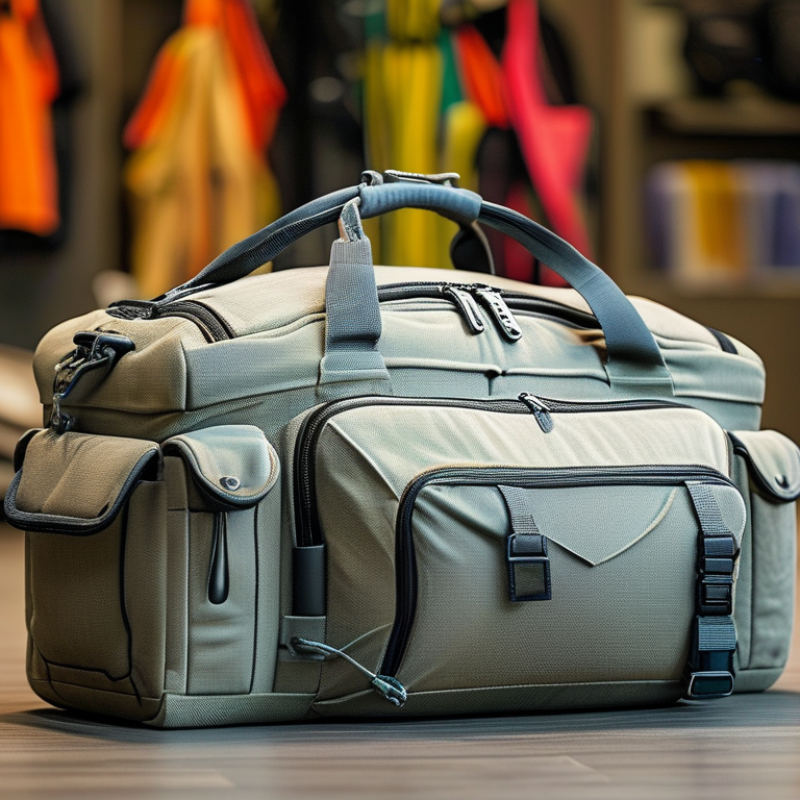
When choosing a PE kit bag, consider its size and structure. A bag that is too small can lead to a chaotic mess. Multiple compartments can help separate items like shoes, clothes, and equipment. This allows for quick access and less wasted time. The material also matters. Durable, water-resistant fabrics can protect personal items from rain or spills, ensuring they remain intact for longer periods.
Reflecting on personal needs is essential. Do you need a bag that is easy to clean? How often will you use it? These questions help to define what makes a bag effective for you. Sometimes, the most stylish choice might not be the most functional. Make sure to prioritize practicality alongside aesthetics. The right balance will enhance your physical education experience significantly.
How to Choose the Best PE Kit Bag for Your Needs?
When selecting a PE kit bag, factors such as size, material quality, durability, price, and design play crucial roles. This chart illustrates the importance level of each factor, helping you make an informed decision based on your specific needs.
Identifying Your Specific Needs and Activities
Choosing the right PE kit bag starts with understanding your specific needs. Are you attending gym sessions, sports practices, or classes? Each activity has distinct requirements. A bag for a swimming session should be waterproof and spacious enough for a towel and swim gear. A kit for running may need compartments for shoes and hydration.
Consider your typical items. Do you carry extra clothes, a water bottle, or equipment? Less is more if you prefer a minimalist approach. A smaller, lightweight bag might fit your lifestyle better. However, if you need to pack various essentials, a larger, more organized bag is ideal. Reflect on your daily routine. How often do you clean or organize your bag? A bag that's tough to maintain might become a burden.
Overall, prioritize comfort and functionality. A bag should facilitate your activities, not complicate them. Look for features like adjustable straps or ventilated pockets for sweaty gear. Balance between style and practicality is key. Think about your long-term needs. Will this bag still serve you well months down the line? The right bag is one that enhances your experience, making your activities enjoyable and hassle-free.
Evaluating Material Durability and Design Features
When selecting a PE kit bag, assessing material durability and design features is crucial. Industry reports show that around 70% of consumers prioritize durability over style. High-quality materials like nylon and polyester resist wear and tear, ensuring longevity. A study highlighted that bags made from water-resistant materials remain intact after exposure, which is vital for gym-goers who often face unpredictable weather.
Tips: Look for bags with reinforced seams. This feature enhances durability, especially during daily use. Additionally, consider bags with multiple compartments. They help in organizing equipment, making it easier to find items quickly.
Design elements also play a role. A lightweight bag can reduce fatigue, while adjustable straps offer comfort. A recent survey found that ergonomic designs are preferred by 80% of athletes. Ensuring that a bag fits well can prevent discomfort and injury. Quality zippers and easy-to-grab handles contribute to the overall functionality of the bag.
Assessing Size and Capacity for Your Gear
Selecting the right PE kit bag involves understanding your specific needs. When considering size and capacity, think about what you will carry. A bag too small will leave items behind. Conversely, an oversized bag can be cumbersome.
Evaluate your gear's dimensions. For instance, if you require space for clothes, shoes, and equipment, ensure the bag can accommodate these essentials. Aim for compartments to keep items organized. Without appropriate sections, everything can become a jumbled mess.
Reflect on your daily activities as well. If you often add more gear, consider a bag with adjustable or expandable features. Sometimes, we overlook flexible designs. A bag that morphs to your needs can provide significant advantages. Remember, the ideal PE kit bag should feel comfortable and align with how you plan to use it. Prioritize practicality, and you will find a better fit for your lifestyle.
Considering Budget and Brand Reputation
When considering a PE kit bag, budget and brand reputation play crucial roles. A well-known brand often indicates reliability. However, this doesn’t mean that lesser-known brands lack quality. Sometimes, lower-priced bags perform just as well. Researching user reviews can provide insight into the product’s durability and comfort.
Budget constraints might limit your options, but it’s essential to balance price with features. A lower-cost bag may sacrifice durability or style. On the other hand, spending more doesn't always guarantee superior quality. Evaluating materials, stitching, and overall design can lead to better choices.
Reflect on whether the bag meets your specific needs. Think about its size, compartments, and ease of carrying. You might find that a bag that looks good at first lacks functionality. Not every seemingly perfect option lives up to expectations. Analyze what you truly require before making a decision.