Leave Your Message

Top 10 ESD Shielding Bags for Electronics Protection?

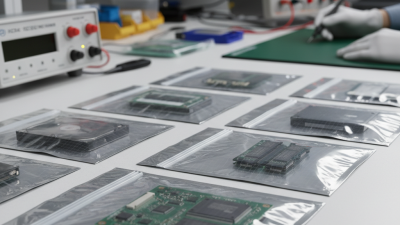
Electronics can fail before they ever reach a circuit board. A quiet static discharge may leave no visible mark, yet damage a sensitive sensor, memory chip, or processor. Esd Shielding Bags create a practical barrier by combining surface protection with shielding against external electrostatic fields. Their value becomes clearer when components move between benches, storage areas, and shipping stations.

This guide examines the Top 10 ESD Shielding Bags for Electronics Protection. The comparison considers shielding performance, material strength, closure design, clarity, sizing, and handling convenience. It also looks at real workshop details, such as whether a bag seals around sharp connector pins or survives repeated opening. Good fit matters. Excess space can allow movement, while a cramped bag may stress delicate parts. Some products use metallized films that block static fields effectively, but their layers can crease or puncture during rough handling. A bright appearance proves little.

Testing matters more than promises.

Reliable selection should include manufacturer specifications, quality records, and appropriate ESD verification methods. Experienced technicians also inspect seams, edges, and closures before trusting a bag with expensive components. Still, no ranking fits every laboratory or supply chain. A bag that performs well in a clean repair room may disappoint during export packaging or frequent warehouse handling. My evaluation therefore treats durability and usability as seriously as headline shielding numbers. There are trade-offs. Readers should confirm product data for their voltage sensitivity, storage conditions, and packaging process before making a purchase.
Top 10 ESD Shielding Bags for Electronics Protection?

What ESD Shielding Bags Are and How They Protect Electronics

Top 10 ESD Shielding Bags for Electronics Protection?

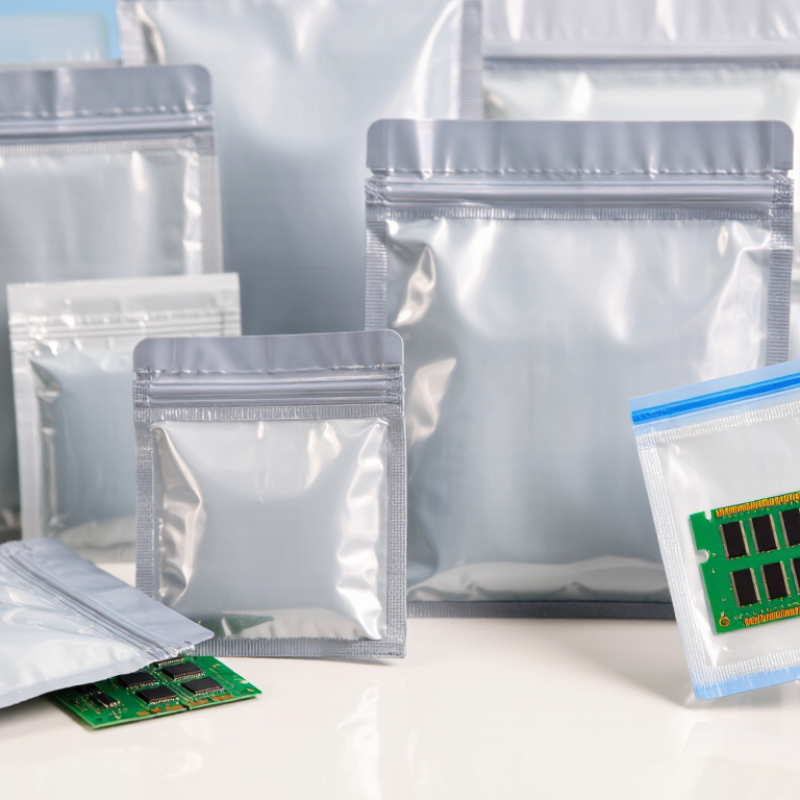
ESD shielding bags are protective packaging made with a conductive or metallized layer. This layer helps control static charges and blocks external electrostatic fields. The bag works like a small Faraday cage around sensitive parts. It reduces the risk of sudden discharge damaging circuit boards, sensors, memory devices, and processors. Unlike ordinary plastic bags, shielding bags are designed for electrostatic-sensitive electronics. Their effectiveness depends on proper closure and undamaged material. A torn corner can become a serious weak point.

In practical electronics handling, the bag should remain closed until the work area is grounded and ready. Operators should use grounded wrist straps, conductive surfaces, and approved handling procedures. The bag does not remove static electricity by itself. It mainly limits exposure. That distinction is easy to miss. Some packaging decisions also fail because users choose size alone, ignoring shielding performance, cushioning, and moisture control.

Tips: Select a bag that fits without forcing the component inside. Check for punctures, wrinkles, and worn seams before use. Keep sensitive parts inside the bag during transport, inspection, and storage. Avoid placing the bag on ordinary carpets or plastic surfaces. If the component touches the bag exterior, protection may be reduced. Test procedures should match the device’s ESD sensitivity and storage conditions.

Key Features to Compare in ESD Shielding Bags

Choosing among the top 10 ESD shielding bags requires more than comparing prices. The first feature to check is shielding performance. A reliable bag should limit electrostatic fields and protect sensitive components from handling-related discharge. Ask for measured attenuation data, surface resistance, and static decay results. Do not rely on appearance alone.

Bag construction matters during real warehouse work. A strong multilayer film resists punctures, creasing, and accidental tears near the seal. Select a size that leaves little empty space around the circuit board. Excess movement can create friction and damage leads. Clear or translucent material also helps operators identify parts without opening the package. I have found seals often deserve more attention. A weak closure can reduce protection quickly.

Consider compatibility with the whole ESD control program. The bag should work with grounded workstations, conductive foam, labels, and approved outer packaging. Relevant technical references may include ANSI/ESD S541 and IEC 61340-5-3. Request batch test records, not only general claims. Storage conditions matter, too. High humidity, dust, and repeated folding can change performance. A perfect bag is unlikely. In practice, the best choice balances shielding, durability, usability, and verified consistency. Some suppliers provide strong data, but their opening instructions may be unclear. That small gap can cause avoidable handling errors.

Top 10 ESD Shielding Bags for Electronics Protection? - Key Features to Compare in ESD Shielding Bags
Rank Generic Bag Profile Recommended Use Typical Construction Surface Resistance Shielding Performance Static Decay Common Thickness Closure Type Typical Size Reusability
1 High-Performance Metallized Bag High-value PCBs, processors, memory modules and sensitive assemblies Multi-layer polyethylene with a metallized polyester shielding layer 108–1011 Ω Up to 40 dB <2 seconds 3–5 mil (75–125 μm) Heat seal or resealable zipper 150 × 200 mm to 400 × 500 mm Yes, with careful handling
2 Transparent Shielding Bag Visual inspection of components without opening the package Clear static-dissipative film with a transparent conductive or shielding layer 108–1011 Ω Up to 35 dB <2 seconds 2.5–4 mil (65–100 μm) Press-to-close zipper or flap 100 × 150 mm to 300 × 400 mm Yes
3 Heavy-Duty ESD Shielding Bag Large circuit boards, industrial controllers and repair returns Reinforced multi-layer film with a durable metallized barrier 108–1011 Ω Up to 40 dB <2 seconds 4–6 mil (100–150 μm) Heat seal or wide adhesive flap 250 × 350 mm to 600 × 800 mm Limited; inspect for punctures
4 Low-Charge Static-Dissipative Bag General electronic parts, connectors and small modules Amine-free polyethylene or polyester film with dissipative additives 109–1012 Ω Moderate shielding <2 seconds 2–4 mil (50–100 μm) Open top, zipper or adhesive flap 75 × 100 mm to 250 × 350 mm Usually
5 Moisture-Barrier ESD Bag Moisture-sensitive devices requiring dry-pack handling Moisture-barrier laminate with an ESD shielding layer 108–1011 Ω Up to 40 dB <2 seconds 4–7 mil (100–175 μm) Heat seal 100 × 150 mm to 400 × 600 mm Generally single-use after sealing
6 Pink Antistatic Bag Non-sensitive components and short-term workstation handling Pink static-dissipative polyethylene film 109–1012 Ω Not a full Faraday shield <2 seconds 2–4 mil (50–100 μm) Open top, zipper or adhesive flap 75 × 100 mm to 300 × 400 mm Often reusable
7 Zip-Lock Shielding Bag Frequent access to test boards, tools and service parts Metallized shielding film with an integrated resealable closure 108–1011 Ω Up to 35 dB <2 seconds 3–5 mil (75–125 μm) Resealable zipper 100 × 150 mm to 350 × 500 mm Yes, if the zipper remains intact
8 Adhesive-Flap Shielding Bag Picking, kitting and shipment of individual components Metallized polyethylene film with a pressure-sensitive adhesive flap 108–1011 Ω Up to 40 dB <2 seconds 2.5–4 mil (65–100 μm) Permanent or resealable adhesive flap 75 × 100 mm to 250 × 350 mm Limited after repeated opening
9 Padded ESD Shielding Bag Shock-sensitive boards, displays and assembled modules Shielding film combined with foam or air-cell cushioning 108–1011 Ω Up to 35 dB <2 seconds 5–10 mil (125–250 μm), including padding Flap, zipper or heat seal 150 × 200 mm to 400 × 600 mm Reuse depends on padding condition
10 Large Format ESD Shielding Sleeve Long cables, backplanes, panels and oversized assemblies Flexible metallized laminate with reinforced seams 108–1011 Ω Up to 40 dB <2 seconds 3–6 mil (75–150 μm) Fold-over flap, tape or heat seal 300 × 500 mm to 800 × 1,200 mm Yes, when undamaged
Typical values vary by film construction, test method, frequency range, bag size and closure design. For compliance, verify the supplier’s test data and applicable ESD packaging requirements before purchase.

Top 10 ESD Shielding Bags for Electronics Protection

Choosing among the top 10 ESD shielding bags starts with protection performance, not appearance. The strongest options combine shielding material, reliable seams, and practical closures. A bag should fit the circuit board without crushing connectors or leaving excessive space. Look for clear surface labeling and a documented shielding test method. Do not confuse pink anti-static bags with shielding bags. That mistake is common. At my workbench, I have seen sensitive boards survive transport because the bag stayed sealed and grounded properly. Small handling details matter.

The top ten choices usually differ in thickness, size range, closure design, and moisture resistance. Some use metalized layers for stronger field protection. Others emphasize flexibility for cables and irregular components. Select a size that reduces movement inside the package. Too much empty space creates avoidable impact risk. A secure closure helps prevent accidental exposure. Labels should remain readable after storage and handling. Visible damage matters. Do not reuse bags with torn corners, deep creases, or worn closures.

Reliable handling also requires a grounded workstation and trained operators. A bag cannot replace wrist straps, approved packaging procedures, or periodic checks. For procurement, compare supplier test records with current facility requirements, including relevant ANSI/ESD guidance. I prefer measuring shielding performance with qualified equipment instead of trusting a printed claim. When uncertain, test a sample under realistic transport conditions. One weakness remains: packaging choices often ignore humidity and long storage periods. Review those conditions before selecting the final bag.

How to Choose the Right ESD Shielding Bag for Each Device

Top 10 ESD Shielding Bags for Electronics Protection?

Choosing an ESD shielding bag starts with the device, not the bag count. Measure the component, including connectors and sharp edges. A tight fit can stress seals and corners. An oversized bag may fold against sensitive leads. Leave enough space for safe handling, but avoid excessive empty film.

Check the device’s sensitivity, storage period, and handling environment. A multilayer shielding bag suits circuit boards and memory modules requiring protection from electrostatic fields. For small connectors, a thinner bag may improve visibility and reduce packing bulk. Transparent film helps inspection, while opaque film can limit light exposure. The required shielding performance should come from documented test data, not appearance.

Surface resistance matters too. A shielding bag cannot protect a device if workers, tools, or benches remain ungrounded. Use controlled workstations and inspect bags for punctures, worn seams, and contamination. Standards such as ANSI/ESD S541 and IEC 61340-5-3 provide useful purchasing references. Still, specifications do not replace practical checks. A bag that passed testing may fail after rough storage.

One detail is easy to miss: closure design. A reliable fold or resealable opening reduces unnecessary exposure during repeated access. I have seen packaging selected by size alone, then rejected because the board scraped the seam. That mistake is avoidable. Test the filled bag with the actual device, labels, cushioning, and handling routine before ordering large quantities.

Proper Handling, Storage, and Disposal of ESD Shielding Bags

Top 10 ESD Shielding Bags for Electronics Protection?

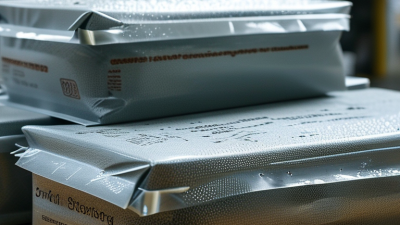
Proper handling begins with discipline, not expensive packaging. Inspect each ESD shielding bag for punctures, torn seams, or worn closures. A damaged bag may look acceptable but provide weak protection. Keep sensitive components inside the bag until they reach a grounded electrostatic protected area.

ANSI/ESD S541-2019 identifies shielding packaging as protection during handling, transport, and storage. It does not replace grounding controls.

Store bags flat, away from sunlight, heat, moisture, and sharp tools. Do not fold them tightly around leads or connectors. Place them in clean, labeled containers, and keep old and unused bags separate.

The 2024 Global E-waste Monitor reported 62 million tonnes of electronic waste in 2022. Careless packaging disposal adds unnecessary material to that growing stream. Remove labels, tapes, and contamination before checking local recycling options. Many facilities reject mixed-material metallized films.

Use a simple inspection log.

Record dates and defects.
Replace questionable bags.

In practice, teams sometimes reuse bags too long. I have seen a nearly invisible corner split expose a board during movement. That mistake is easy to repeat. Reuse only when the shielding layer, closure, and surface remain intact.

When recycling is unavailable, follow site procedures and applicable waste rules. Never burn or shred bags near electronics or personnel. Their performance depends on consistent handling, not appearance alone.