Leave Your Message

Top 10 Black EVA Foam Sheet Roll Suppliers for Global Buyers

Black Eva Foam Sheets Roll is used in packaging, crafts, footwear components, sports padding, and protective inserts. For global buyers, choosing a supplier involves more than comparing prices. Foam density, thickness, roll width, surface finish, and consistency can affect cutting, bonding, and the final product. Small differences matter. A roll that looks uniform in a product photo may behave differently during production, so samples and clear specifications are worth requesting.

This guide introduces ten suppliers for buyers assessing international sourcing options. It focuses on practical comparison points, including product range, customization, quality documentation, communication, minimum order quantities, and shipping support. These details can help narrow a shortlist, but they do not replace direct verification. Ask suppliers for current technical data, sample availability, packaging details, and realistic lead times. Where possible, compare samples under the same conditions used in your own process. It is easy to overlook edge quality or compression recovery until a roll reaches the workshop. That is a useful reminder: no supplier profile can confirm fit for every application. Buyers should also clarify how specifications are measured and whether production batches are checked consistently. The information ahead is intended as a starting point, not an endorsement. Careful questions, documented requirements, and a small trial order can reduce surprises before larger purchases.
Top 10 Black EVA Foam Sheet Roll Suppliers for Global Buyers

Understanding Black EVA Foam Sheet Rolls and Their Uses

Understanding Black EVA Foam Sheet Rolls and Their Uses

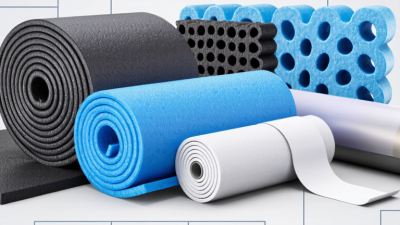
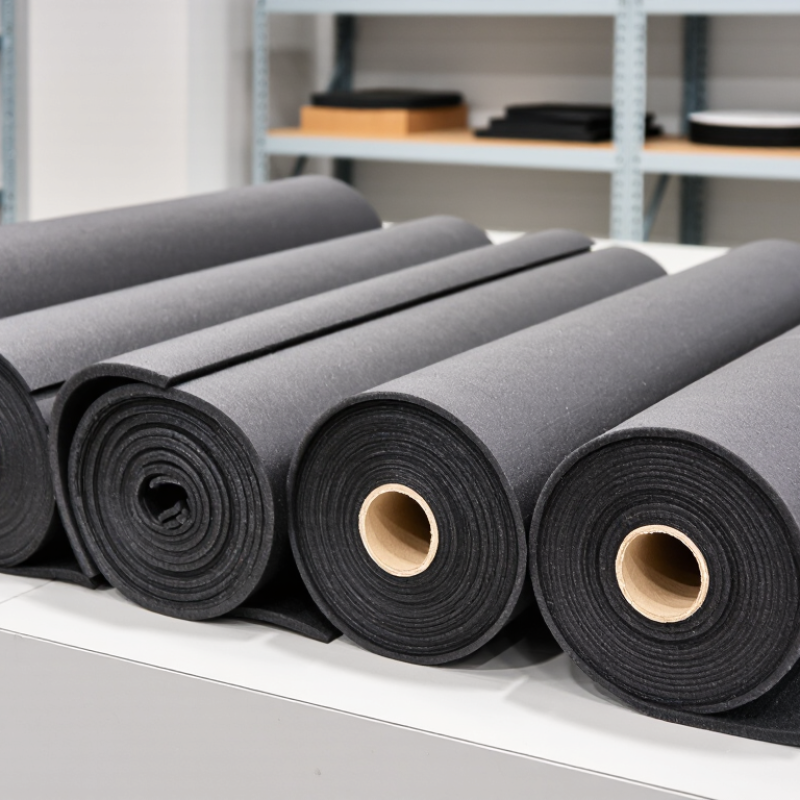
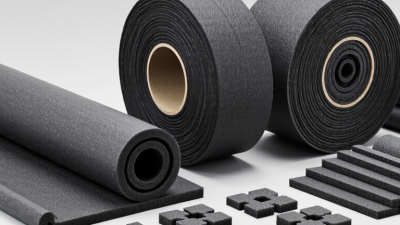
Black EVA foam sheet rolls are flexible sheets of ethylene-vinyl acetate wound around a core. Their closed-cell structure provides light cushioning and generally limits quick water absorption. Performance still depends on formulation, density, and thickness. The black surface can conceal everyday scuffs in tool drawers, equipment liners, and packaging inserts. It may also absorb more sunlight than a lighter surface. Outdoors, that can mean extra heat.

Use depends on the job. Thin rolls can line compartments or protect flat items from scratches, while thicker, denser foam may cushion heavier objects. For a snug fit, measure the space and check the roll’s width, thickness, and compression behavior. Small details matter. Foam that feels soft in hand may compress too much under repeated loads.

For buyers comparing suppliers, request clear specifications and a sample when possible. Check whether the material has a noticeable odor, uneven thickness, or surface defects. Ask how it performs under the temperatures and contact conditions expected in use. A roll may look uniform but still vary from edge to edge. That possibility deserves attention, especially when consistent cutting or cushioning matters.

Key Properties and Specifications Buyers Should Compare

When comparing black EVA foam sheet rolls, start with thickness, density, and hardness—not price alone. A nominal 5 mm roll may vary across its width, affecting die-cut parts or cushioning. Ask suppliers for tolerance ranges and test methods, then measure samples at several points. Small differences matter.

Density helps predict weight and firmness, but it does not describe every use condition. Check compression set after repeated loading, along with tensile and tear strength if parts will be pulled or trimmed. Closed-cell structure can limit water uptake, yet performance depends on formulation and processing. Request data for the exact grade. A neat table is useful, but vague claims such as “high resilience” need measurable support.

Confirm roll width, usable length, core size, and packaging before ordering. Black color can conceal surface marks, so inspect under bright, neutral light and compare several sections. Ask for a sample from the production lot, not only a showroom piece. Flex it and leave a loaded piece overnight. It is not a lab test. Also compare batch consistency, storage guidance, and available test reports; a supplier should explain limitations as clearly as strengths.

How to Evaluate EVA Foam Sheet Roll Suppliers Worldwide

When comparing black EVA foam sheet roll suppliers, start with the material, not the sales brochure. Request samples from the production lot you may actually buy. Check thickness at several points with a caliper, and note whether the edges curl after unrolling. Ask for density, hardness, roll width, and thickness tolerances in writing. Black color can conceal uneven cell structure. Look closely under bright light.

Good suppliers can explain how they control batches and provide relevant test records, such as compression or dimensional checks. Confirm that the stated values match your intended use; a foam used for packaging may not suit cushioning or insulation. Ask how rolls are protected from dust, moisture, and crushing during export. Clarify core diameter, pallet dimensions, lead time, and what happens if delivered measurements fall outside the agreed range. Small details matter.

Communication is part of the evaluation. Send the same specification sheet to each candidate, then compare how clearly they answer questions about sample approval, production changes, and quality claims. A tidy certificate folder is useful, but it does not prove every shipment will match. I would keep a retained sample and record measurements on arrival, even when the supplier seems dependable. That extra step can feel fussy. It also gives both sides something concrete to discuss if a later roll behaves differently.

Top 10 Black EVA Foam Sheet Roll Suppliers for Global Buyers — How to Evaluate EVA Foam Sheet Roll Suppliers Worldwide
Screening Order Anonymous Supplier Profile Sourcing Market Black EVA Sheet and Roll Considerations Customization to Check Quality and Documentation to Request Typical Buyer Fit Key Verification Before Purchase
1 High-volume foam manufacturer East Asia Ask whether the supplier makes EVA foam in-house and can offer consistent black color, density, thickness, and roll dimensions. Thickness, roll width and length, density, hardness, surface finish, and slit-to-width service. Request a current technical data sheet, batch identification, inspection results, and samples from production-grade material. Buyers seeking repeat orders and a broad range of standard specifications. Confirm actual production capacity, minimum order quantity, lead time, and consistency across multiple batches.
2 Export-oriented foam converter East and Southeast Asia A converter may cut or slit foam made by another producer; establish who manufactures the foam and who controls its specifications. Slitting, sheet cutting, laminating, adhesive application, and custom packaging. Request traceability to the foam producer, written specifications, and pre-shipment inspection records. Importers who need export packing, consolidated orders, or converting services. Check that the quoted specification applies to the finished goods, not only to the unconverted foam.
3 Specialty closed-cell foam producer Multiple international markets Confirm the material structure and intended use; “EVA foam” alone does not define cell structure, performance, or grade. Density, hardness, thickness tolerance, compression behavior, and surface treatment. Request test methods and results relevant to the application, such as density and hardness, with units and test conditions stated. Applications requiring defined material properties rather than a color-only match. Compare samples using the same measurement method and agreed acceptance tolerances.
4 Regional foam fabricator North America Check whether black EVA rolls are produced locally, imported, or converted from imported stock; availability varies by specification. Local cutting, short-run conversion, custom roll widths, and application-specific formats. Ask for a written specification, country-of-origin details, and any applicable product compliance documents. Buyers prioritizing regional communication, shorter replenishment routes, or smaller converted orders. Verify stock status and whether quoted lead times include imported material and conversion.
5 Industrial foam converter Europe Evaluate the supplier’s ability to convert suitable EVA stock into rolls or sheets to the required tolerances. Die cutting, skiving, laminating, adhesive backing, and dimensional conversion. Request process controls, inspection criteria, and documentation needed for the specific end use. Industrial buyers needing fabrication alongside material supply. Confirm whether conversion is performed in-house or subcontracted and clarify responsibility for defects.
6 Multi-material foam distributor Global distribution networks Distributors may offer access to multiple grades, but product origin and lot continuity should be confirmed. Stock cutting, mixed material orders, and supply in standard commercial formats. Request manufacturer identity where available, batch or lot details, and a current data sheet for the exact grade. Buyers needing flexible quantities or several foam materials from one source. Check stock availability, substitution policy, and whether repeat orders will come from the same grade and source.
7 Packaging-focused foam supplier Regional and international markets Assess whether the supplied EVA grade and format meet the cushioning, fit, and handling needs of the package design. Roll supply, cut sheets, protective inserts, laminating, and custom packaging components. Request sample parts, dimensional checks, and relevant test evidence for the intended packaging conditions. Packaging buyers who need foam material and finished or semi-finished components. Validate performance in the actual package design; a material data sheet alone cannot establish package suitability.
8 Footwear and sporting-goods material supplier Asia and other manufacturing hubs Confirm that the grade, thickness, and processing method are suitable for the intended footwear or sporting-goods component. Color matching, sheet or roll conversion, embossing, and lamination where offered. Request grade-specific specifications, sample approval records, and any application-required compliance documents. Buyers sourcing EVA for footwear, sporting goods, or related manufactured products. Test the material after the intended downstream process, since processing can affect fit and performance.
9 Custom-compounding foam producer International manufacturing markets Ask whether black color and requested performance are achieved through a standard grade or a custom formulation. Custom density or hardness targets, color requirements, and application-specific specifications. Request a controlled specification, sample approval process, and evidence that production lots are checked against it. Buyers whose requirements are not met by standard stock grades. Clarify development costs, tooling or setup charges, minimum quantities, and change-control procedures.
10 Small-batch converting supplier Local and regional markets May source standard black EVA stock and convert it to buyer-specified dimensions; confirm the source and material grade. Short runs, sample quantities, custom slit widths, and cut-to-size formats. Request written material identification, dimensional tolerances, and a first-article sample for approval. Prototype development, trials, and lower-volume purchasing. Confirm repeat-order capability, material availability, and whether the same specification can be maintained at scale.

Evaluation note: The entries above are anonymous supplier profiles and sourcing categories, not named companies or a verified ranking of actual suppliers. Capabilities vary by supplier and product grade. Verify specifications, origin, certifications, test results, capacity, and commercial terms directly before ordering. Supplier certifications and compliance documents should be checked for the specific facility, material, and intended application.

Top 10 Black EVA Foam Sheet Roll Suppliers for Global Buyers

For global buyers comparing the top 10 black EVA foam sheet roll suppliers, the key question is fit, not rank. The World Footwear Yearbook 2024 reports that global footwear production reached 22.4 billion pairs in 2023. That figure signals substantial demand for footwear materials, but it does not measure EVA use directly. Suppliers may serve very different needs, from shoe midsoles to protective packaging and equipment liners.

Compare density, hardness, thickness tolerance, roll width, and cell structure against your application. Ask for a current technical data sheet and a sample from the same production grade you plan to order.

Check how the foam behaves when cut, compressed, and exposed to your intended working conditions. A polished catalogue is not proof. A sample can look uniform under warehouse lighting, then reveal uneven edges or inconsistent rebound after cutting.

Request batch-level inspection records, export packing details, and realistic production and shipping lead times. These checks take time. Some buyers still overlook them.

Be cautious of quotes that omit specifications; a low price is difficult to assess without comparable grades and test methods.

Sourcing, Quality Checks, and International Shipping Considerations

When sourcing black EVA foam sheet rolls, specify thickness, density, hardness, roll width, and intended use. “Soft” is not a measurable grade. Ask suppliers for tolerances and a current technical data sheet, then compare the same specifications across quotes. A low price may reflect thinner material or wider variation between batches.

Request a sample from the production lot when possible. Check its dimensions, surface finish, odor, flexibility, and recovery after compression. Small details matter. Keep a retained sample and record the batch number, since a pre-production sample may not match later deliveries. Samples can mislead.

Before shipment, confirm roll diameter, core size, packaging, and how many rolls fit safely in a container. Moisture-resistant wrapping helps protect foam during long transit, but it cannot fix poor storage. Ask for clear photos before dispatch and agree on inspection steps in writing. Check that invoices, packing lists, and product descriptions match the shipment. Transit times and port handling can change; build buffer time into delivery plans. A checklist reduces surprises, though it cannot remove every uncertainty.