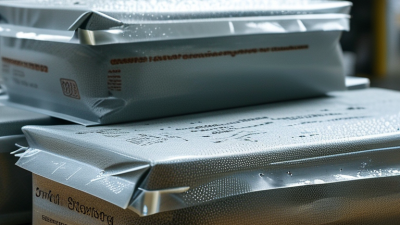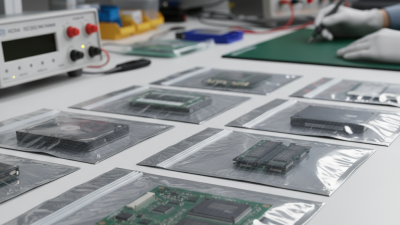
China is a major sourcing base for Esd Shielding Bags, with manufacturers serving electronics assembly, component storage, and export packaging needs. Yet “top” depends on the job. A bag for a circuit board may need different performance and documentation from one used for loose components. Small details matter.
A useful supplier review starts with measurable specifications. Ask for shielding effectiveness, surface resistance data, material structure, thickness, and test reports tied to the product being quoted. Clear bags, metallized layers, zipper seals, and custom sizes can affect both handling and protection. Check whether the supplier can explain how its test methods relate to your packaging requirements, including relevant guidance such as ANSI/ESD S541. Do not rely on a certificate image alone.
This guide will help buyers compare China-based manufacturers by product range, quality controls, customization, communication, and export experience. Request a current sample and inspect its seals, print quality, and consistency across batches. Confirm lead times and how defects are handled before placing a larger order. A polished website is not proof of dependable production. Some suppliers publish limited technical details, which makes comparison harder; that is worth noting, not overlooking. The strongest choice is the one that supports its claims with traceable information and answers practical questions directly.
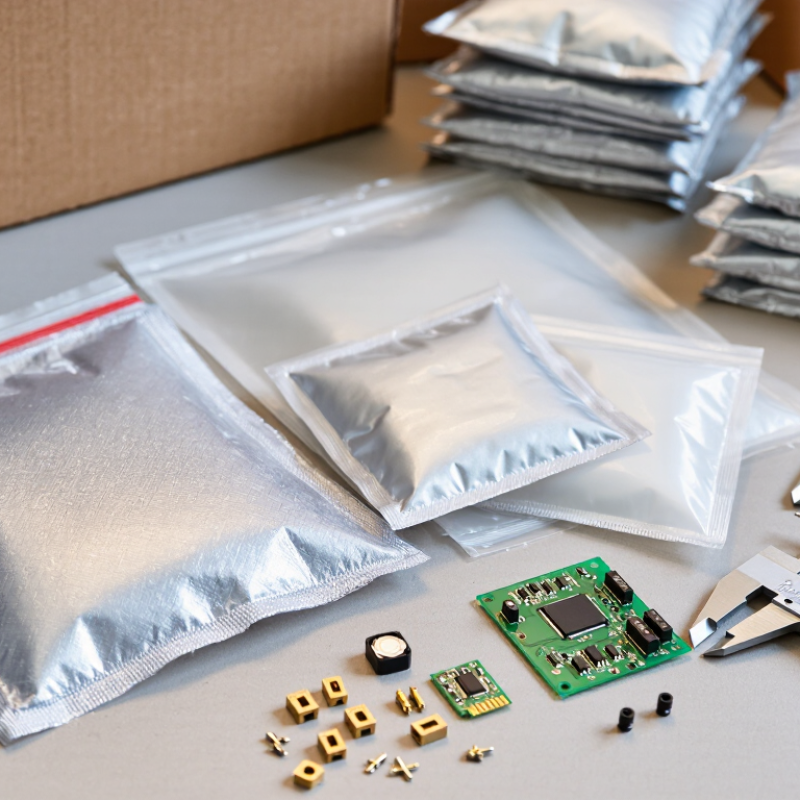
ESD shielding bags are flexible packages designed to reduce the risk of electrostatic discharge reaching sensitive electronic components. Many use layered films, including a conductive or metalized layer between protective plastics. When properly sealed, the bag helps create a shielding enclosure around items such as circuit boards, memory modules, or small sensors. It is not simply an ordinary plastic bag with a metallic appearance. The material and construction matter. A bag also cannot prevent every kind of damage, such as crushing, moisture exposure, or rough handling.
In electronics packaging, shielding bags provide a controlled barrier during storage and transport. They are often used after components have been handled at an ESD-protected workstation. Keep the bag closed until the item returns to a suitable work area. A small tear or an incomplete seal can reduce protection. It is easy to assume that a shiny surface means reliable shielding, but appearance alone proves little.
Tips: Choose a bag sized to limit excess movement, check it for punctures before use, and follow the component supplier’s handling guidance. Avoid placing loose components directly against unsuitable packing materials. If protection requirements are unclear, verify the bag’s specifications rather than guessing. That extra check is worthwhile.
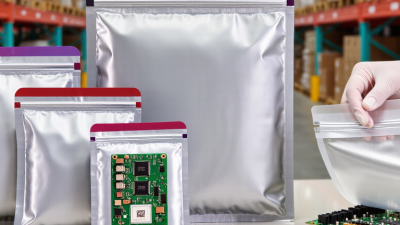
China’s ESD bag makers differ by construction, materials, and output capacity. Product types include metal-in and metal-out shielding bags, moisture-barrier bags, and static-dissipative bags. These are not interchangeable: a pink dissipative bag may reduce charge buildup but does not provide the same shielding as a metallized laminate. Grand View Research estimated the global ESD packaging market at USD 3.66 billion in 2023, with projected annual growth of 5.3% from 2024 to 2030. This is market context, not a China-specific factory count.
Material choices often include polyester film, a metallized layer, and polyethylene, while moisture-barrier constructions may use foil laminates. When mapping suppliers, compare layer structure, thickness, shielding performance, seal quality, and test documentation against packaging requirements such as ANSI/ESD S541. Production scale is harder to judge from a catalog. Ask about converting-line capacity, sample lead time, batch traceability, and whether testing is performed in-house. A polished sample does not prove stable volume production.
Tips: Request a small trial batch and inspect seals, print clarity, and bag consistency. Fit matters. One practical weakness: published capacity figures can be difficult to compare, so verify them with recent production records.
An ESD shielding bag is not defined by one resistance value alone. The range of 10⁴–10¹¹ Ω/□ can cover conductive and dissipative surfaces, depending on the material and test method. Lower readings may indicate faster charge drainage; higher readings generally indicate more controlled dissipation. Neither figure alone confirms shielding performance. Small details matter.
Many bags use layered films: a dissipative outer surface, a conductive or metallized barrier, and a dissipative inner surface. The barrier helps attenuate electrostatic fields, while the inner layer helps reduce charge transfer to the packed item. Weak seals, pinholes, or rough cut edges can affect real-world protection. A polished specification sheet cannot show every defect.
When comparing suppliers, ask how surface resistance and shielding performance were tested, and under what humidity and temperature. Check film thickness, seal consistency, and the condition of the finished bag, not just a quoted range. It is tempting to rank products by one number; that shortcut can mislead. Requesting test data for the complete bag gives a more useful comparison.
When comparing China’s ESD shielding bag manufacturers, look beyond foil thickness and marketing claims. Ask for a recent test report using ANSI/ESD STM11.31, the ESD Association’s method for evaluating shielding performance. The report should show measured energy reaching the bag interior, typically stated in nanojoules, along with test conditions and specimen count. A test result without these details is hard to compare.
Check that the tested bag matches the product you plan to buy. A change in film structure, zipper, or seal can affect performance. One uncomfortable detail: a strong average may hide a weak seam. Request results across multiple specimens and confirm the acceptance limit in your purchase specification. STM11.31 provides a test method; do not assume every supplier uses the same pass threshold. For traceability, keep the report linked to the production lot.
Tips: Ask for the test date, bag construction, sample count, and individual readings—not just “pass.” If your packaging process folds or seals bags, test samples after that handling too. That extra check may feel tedious, but it can reveal a real gap.
Compare measured results only when supported by a laboratory test report. No supplier-specific or verified test data was provided, so no performance values are displayed.
Add report-backed measurements and their units before comparing samples. Apply the acceptance criteria specified for the relevant product or application; do not treat unverified figures as test results.
Assess Chinese suppliers through evidence, not polished catalog claims. Request current certificates and check their scope, issuing body, and expiry date. An ISO 9001 certificate can indicate a quality management system, but it does not prove every bag meets your requirements. Ask for material specifications and test reports covering surface resistance and shielding performance. Paperwork alone is not enough.
Quality control should be visible in routine production. Ask how incoming films are checked, how seals are inspected, and whether each batch can be traced to test records. A practical sample check might include seal strength, bag dimensions, and performance after handling. Compare the supplier’s stated test method with your own packaging needs. Details matter. If answers stay vague, pause and investigate; I have seen specifications look clear until a sample arrives.
MOQ and lead time can change the real cost of a supplier. Request separate figures for standard sizes and custom printing, and ask whether setup charges apply. Confirm the production schedule, sample approval time, and shipping estimate in writing. A low MOQ may help a trial order, but it can come with a higher unit price. Lead times also shift when materials run short. Build in a small buffer, and avoid relying on a single verbal promise.